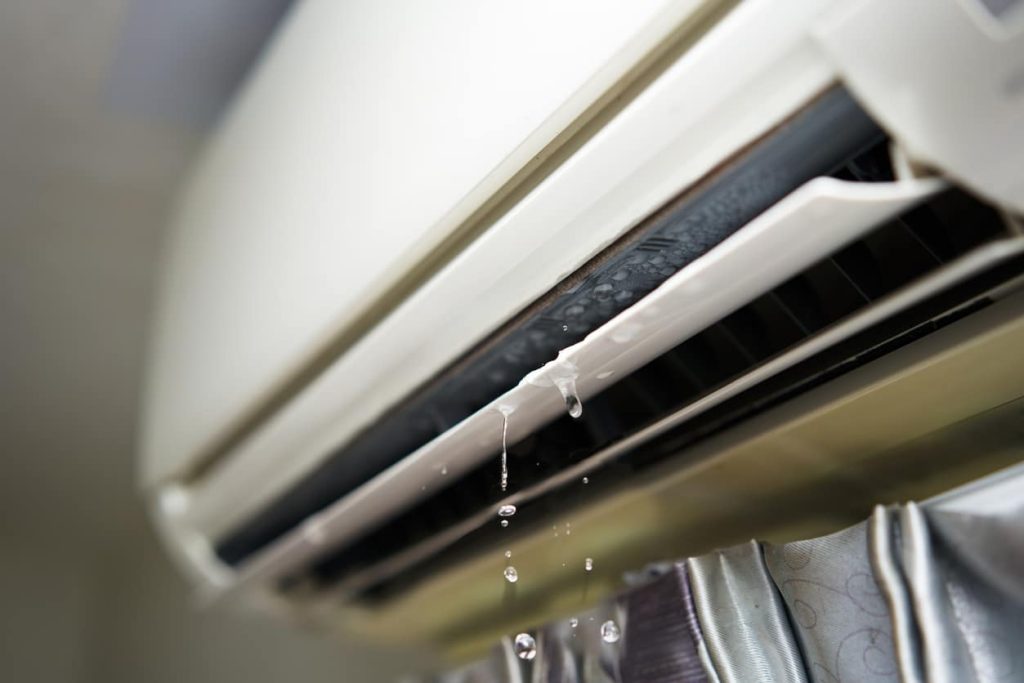
Is your air conditioner acting up and you’re not sure why? One common problem you might be facing is a leak.
But how do you tell if your air conditioner is leaking? Detecting a leak early can save you from costly repairs and keep your home cool and comfortable. You’ll learn the simple signs to watch for and easy steps to check your AC.
Keep reading to find out how to spot a leak before it turns into a bigger headache.
Common Causes Of Ac Leaks
Clogged drain linesstop water from flowing out. Water builds up and leaks inside the house. Dirt, mold, and debris block the pipes. Regular cleaning helps keep drain lines clear and dry.
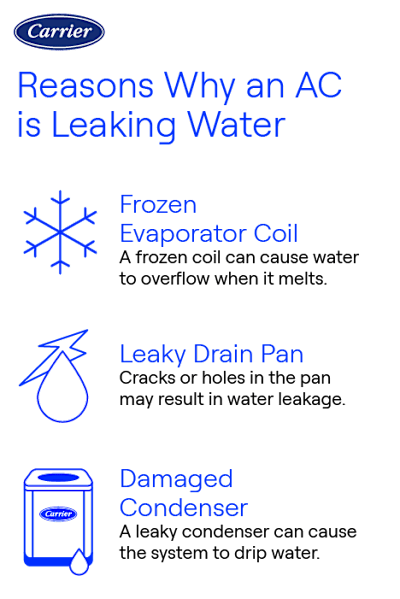
Damaged drain panholds water that drips from the AC. Cracks or rust cause water to leak onto floors. Check the pan often and replace it if broken.
Refrigerant leakscause poor cooling and frost on coils. Low refrigerant makes the AC freeze and drip water. A professional should fix this leak quickly.
Frozen evaporator coilsblock airflow and cause water to drip. Dirt or low refrigerant makes coils freeze. Turn off the AC and let coils thaw before use.

Credit: mrreliablephc.com
Visible Signs Of An Ac Leak
Water poolingaround the AC unit often means a leak. Check the ground near the unit for standing water or wet spots. This can damage the floor or walls if not fixed.
Unusual moistureor dampness on walls or floors near the AC could signal a leak. This may cause mold growth or bad smells in the house. Keep an eye on these spots.
Ice formationon coils or pipes is another sign. Ice can build up if the AC is low on refrigerant or has a leak. This stops the AC from cooling properly and needs quick attention.
Unusual Noises And Smells
Hissing soundsnear the air conditioner may signal a leak. This noise often comes from escaping refrigerant gas. It can be soft or loud, depending on the leak size. Such sounds should not be ignored as they affect the AC’s cooling power.
Musty odorsinside the room or near the unit might mean water is leaking. This moisture can cause mold to grow. Mold smells are usually damp and stale. These odors are a sign that the AC’s drainage system or insulation might be faulty.

Credit: honorservices.com
Performance Issues Indicating Leaks
Reduced cooling efficiencyis a common sign of an air conditioner leak. The unit struggles to cool your room properly. The air feels warmer than usual. This can happen because the refrigerant is escaping.
Frequent cycling on and offmeans the AC turns on and off too often. This wastes energy and stresses the system. A leak lowers refrigerant levels, causing the compressor to work harder and shut down frequently.
Higher energy billscan signal a leak. The AC uses more power to keep your home cool. Even if you don’t change settings, bills may rise. The unit must run longer to cool the space.
Simple Diy Checks For Leaks
Check the drain panfor standing water or rust. This could mean a leak. Make sure the drain linesare clear and not clogged. A blocked line often causes water to spill.
Refrigerant leaks lower cooling power. Watch for warm aircoming from vents. Use a professional tool or call a technician to check the levels. Low refrigerant means a leak.
Ice build-up on coils or pipes signals a problem. This happens when the system loses refrigerant or airflow is poor. Look for white frost or iceon the unit. Turn off the AC to let it thaw before fixing.
Credit: www.carrier.com
When To Call A Professional
Calling a professional is best for handling refrigerant leaks. Refrigerants can harm the environment and your health. Only trained technicians have the right tools and knowledge to fix leaks safely.
Complex repairs often need special skills. Issues like damaged coilsor electrical problemsshould not be handled alone. A professional can diagnose and fix these without causing more damage.
- Professionals know how to detect leaks accurately.
- They use equipment to handle refrigerants safely.
- Complex parts need expert repair to avoid further issues.
- Regular maintenance by experts keeps your AC running well.
Preventing Future Leaks
Regular maintenancehelps keep your air conditioner leak-free. Clean or replace the air filters every month. This keeps air flowing and stops moisture build-up.
Drain linescan get clogged with dirt and algae. Clear them regularly using a wet-dry vacuum or a special brush. This prevents water from backing up and leaking inside.
Plan for professional inspectionsat least once a year. Experts check the system for hidden issues. They clean coils, check refrigerant levels, and tighten parts. This helps avoid leaks and keeps your AC working well.
Frequently Asked Questions
How Can I Detect If My Air Conditioner Is Leaking?
Look for water puddles around the unit, unusual moisture, or mold growth. Check for reduced cooling and higher energy bills, which indicate leaks.
What Causes Air Conditioner Leaks?
Leaks often result from clogged drain lines, frozen coils, or damaged condensate pans. Poor insulation and low refrigerant levels can also cause leaks.
Can A Leaking Air Conditioner Damage My Home?
Yes, leaks can cause water damage, mold growth, and structural issues. Early detection prevents costly repairs and maintains indoor air quality.
Should I Fix An Ac Leak Myself Or Call A Professional?
Minor leaks may be fixable by homeowners, but most leaks require professional diagnosis. Certified technicians ensure proper repairs and system efficiency.
Conclusion
Detecting a leak in your air conditioner is crucial. A leaking unit can lead to higher bills. Or even damage your home. Look for signs like water puddles. Or unusual noises and cooling issues. Regular maintenance helps prevent leaks. Consider calling a professional if unsure.
They can provide expert advice and repairs. Keeping your air conditioner in check ensures comfort. And saves money in the long run. Always stay alert to these warning signs. This way, you keep your home cool and efficient.