Is your air conditioner not cooling like it used to? You might be dealing with low refrigerant, and that’s a problem you don’t want to ignore.
When your AC runs low on refrigerant, it struggles to keep your home comfortable and can even get damaged over time. But how can you tell if this is what’s going on? You’ll discover the simple signs to watch for and what steps you can take to fix the issue before it gets worse.
Keep reading to protect your comfort and avoid costly repairs.
Credit: nicksac.com
Common Symptoms Of Low Refrigerant
Air conditioners use refrigerant to cool your home. When the refrigerant is low, your AC may not work well. It is important to spot the signs early.
Low refrigerant can cause your AC to run less efficiently. This may lead to higher energy bills and discomfort. Watch for these common symptoms.
Warm Air From Vents
If your AC blows warm air instead of cool air, it might be low on refrigerant. The refrigerant absorbs heat from inside your home. Without enough refrigerant, it cannot cool the air.
Warm air from vents is one of the first signs of a refrigerant leak or low levels. This means your system needs checking.
Longer Cooling Cycles
Your air conditioner should cool your home quickly. If it runs for a long time without reaching the set temperature, the refrigerant may be low. Low refrigerant makes the system work harder.
Longer cooling cycles can wear out your AC parts faster. This leads to more repairs and higher costs.
Ice Buildup On Coils
When refrigerant is low, the evaporator coils can get very cold. This causes ice to form on the coils. Ice buildup blocks airflow and stops cooling.
Check the coils if your AC is not cooling well. Ice on the coils is a clear sign of low refrigerant or airflow problems.
Unusual Noises And Odors
When your air conditioner runs strangely, it might be low on refrigerant. Unusual noises and smells can signal a problem. Paying attention to these signs helps you avoid bigger issues.
Two common signs are hissing sounds and musty odors. Both can mean the refrigerant is leaking or running low. Learn how to spot these signs below.
Hissing Sounds
A hissing noise from your AC often means refrigerant is escaping. This sound can come from pipes, coils, or connections. It is a warning that your system needs attention.
- Listen near the indoor unit and outdoor compressor
- Check if the sound changes when the AC runs
- Look for oily spots or wetness around pipes
- Note if the AC cools less than before
Musty Smells
A musty or moldy smell can mean moisture is trapped inside the system. Low refrigerant causes coils to freeze and then thaw, creating dampness. This moisture breeds mold and mildew.
| Cause | Effect | Result |
| Low refrigerant | Coils freeze and thaw | Moisture buildup |
| Moisture buildup | Growth of mold and mildew | Musty odors |
| Musty odors | Air quality drops | Unpleasant indoor smell |
Increased Energy Bills
An air conditioner low on refrigerant uses more electricity to cool your home. This leads to higher energy bills each month.
Understanding how low refrigerant affects your AC’s efficiency can help you spot problems early and save money.
Why Low Refrigerant Raises Energy Costs
Refrigerant absorbs heat from inside your home. When there isn’t enough, the AC works harder and longer to cool the air.
This extra work uses more power, which raises your electric bill over time.
Signs Of Low Refrigerant Affecting Energy Bills
- Your AC runs constantly but does not cool well.
- You notice ice buildup on the coils.
- Energy bills increase without a rise in outdoor temperature.
- Air coming from vents feels warmer than usual.
How To Check For Refrigerant Issues
| Step | Action | What to Look For |
| 1 | Inspect AC coils | Ice or frost build-up |
| 2 | Listen to AC unit | Longer run times than normal |
| 3 | Review energy bills | Sudden increase without reason |
| 4 | Call a professional | Perform refrigerant pressure test |
Tips To Save Energy If Refrigerant Is Low
- Keep AC filters clean to improve airflow.
- Seal windows and doors to prevent cool air loss.
- Use fans to help circulate air inside rooms.
- Schedule regular AC maintenance checks.
Frequent System Shutdowns
Your air conditioner may turn off often if it has low refrigerant. This can cause discomfort and higher energy bills.
Understanding why your system shuts down helps you fix the problem quickly. Low refrigerant is one common reason.
Why Low Refrigerant Causes Shutdowns
Refrigerant cools the air inside your home. If it leaks, the system works harder to cool.
The extra work makes the air conditioner overheat. To protect itself, the system shuts down often.
Signs Of Frequent Shutdowns
You might notice the air conditioner turns off before reaching the set temperature. It may restart after a short break.
- Air feels warmer than usual
- System runs for a few minutes, then stops
- Strange noises during shutdown
How To Check For Low Refrigerant
Look for ice buildup on the coils or pipes. This shows the refrigerant level is low.
You can also listen for hissing sounds near the unit. These may indicate a refrigerant leak.
When To Call A Professional
Only trained technicians should handle refrigerant. If you see signs of low refrigerant, call a pro for service.
They will find leaks, fix them, and recharge the system safely.
How Refrigerant Levels Affect Performance
The refrigerant in an air conditioner helps cool your home by absorbing heat. When the refrigerant is low, the system cannot cool well.
Low refrigerant causes the air conditioner to work harder. This can lead to poor performance and higher energy bills.
Cooling Efficiency
The right amount of refrigerant keeps your air conditioner running efficiently. Low refrigerant means less cool air comes out of the vents.
Your home may feel warmer because the air conditioner cannot remove heat properly. This causes longer cooling cycles and uneven temperatures.
- Less cool air from vents
- Longer running time
- Uneven room temperatures
Compressor Strain
The compressor pumps refrigerant through the system. Low refrigerant makes the compressor work harder than normal.
This extra work can cause the compressor to overheat or fail early. Repairing or replacing the compressor is often expensive.
- Compressor runs longer
- Risk of overheating
- Possible compressor damage

Credit: www.lochardplumbingheatingandcooling.com
Steps To Check Refrigerant Levels
Knowing if your air conditioner has low refrigerant is important for its performance. Low refrigerant can cause poor cooling and damage the system.
This guide shows simple ways to check refrigerant levels safely and effectively.
Visual Inspection
Start by looking for signs of refrigerant leaks. Check the outdoor unit and indoor coils for ice buildup or oily spots. These may indicate a leak.
- Look for frost or ice on the evaporator coil
- Check for oily residue near connections or valves
- Listen for hissing sounds around the unit
- Notice if the air conditioner cools less than usual
Using Pressure Gauges
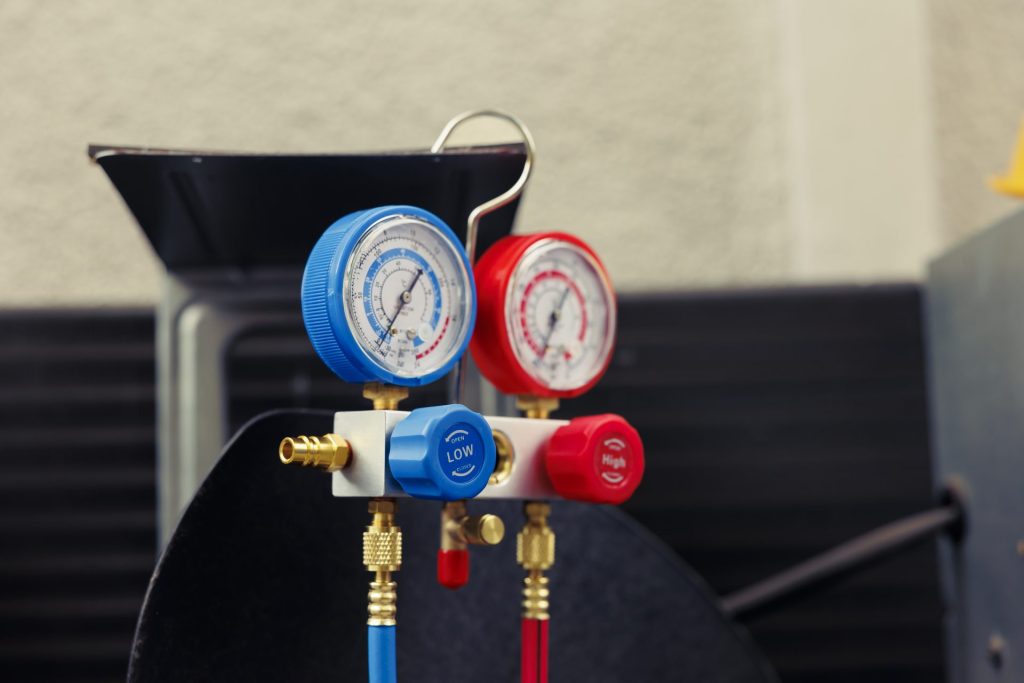
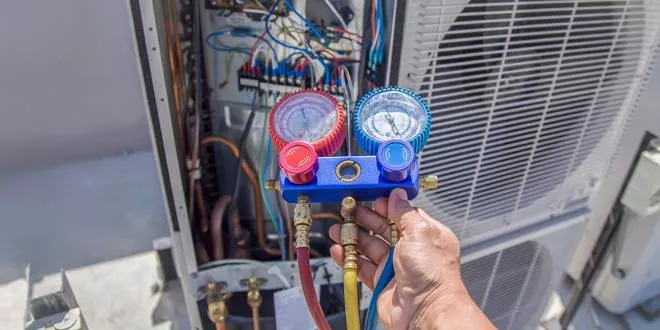
Pressure gauges measure refrigerant pressure inside the system. Low pressure usually means low refrigerant.
| Pressure Gauge Reading | Refrigerant Status |
| High Pressure | Possible overcharge or blockage |
| Normal Pressure | Proper refrigerant level |
| Low Pressure | Low refrigerant or leak |
Always connect gauges to the service ports and compare readings to the manufacturer’s specifications.
Professional Testing
Certified technicians use special tools to test refrigerant levels accurately. They can find leaks and recharge the system safely.
- Leak detection with electronic detectors
- Recovering and weighing refrigerant
- Performing a vacuum test
- Recharging refrigerant to correct levels
Risks Of Low Refrigerant
Low refrigerant in an air conditioner can cause many problems. It affects the system’s performance and safety.
Knowing the risks helps you act fast and avoid bigger issues. Low refrigerant is not just about less cooling.
System Damage
Low refrigerant makes the air conditioner work harder. This extra work can damage important parts.
Parts like the compressor may overheat and break down. Repairing these parts can be costly and take time.
- Compressor failure from overheating
- Increased wear and tear on components
- Frozen coils that reduce airflow
- Shortened lifespan of the system
Environmental Concerns
Refrigerant leaks harm the environment. Some types can damage the ozone layer and cause global warming.
Low refrigerant means leaks or loss. This releases harmful gases into the air, which hurts the planet.
- Ozone layer depletion
- Increased greenhouse gas emissions
- Contribution to climate change
- Need for proper leak repair and refrigerant handling
When To Call A Technician
Knowing when to call a technician for your air conditioner can save you time and money. Low refrigerant can cause serious problems if not fixed quickly.
This guide explains signs that show your AC might be low on refrigerant. It also helps you decide the right time to get professional help.
Unusual Cooling Performance
If your air conditioner is not cooling your home as well as before, it may be low on refrigerant. The air might feel warmer or less consistent.
Longer Cooling Cycles
Your AC running for longer periods than usual can indicate low refrigerant. This causes the system to work harder and use more energy.
Ice Formation On The Refrigerant Lines
Look for ice on the outdoor unit or refrigerant lines. Ice buildup is a common sign of low refrigerant and needs professional attention.
Strange Noises Or Leaks
Hissing or bubbling sounds may mean refrigerant is leaking. You might also notice oily residue near the AC unit.
When To Contact A Technician
- Your AC cools poorly despite cleaning or filter changes
- Ice forms on refrigerant lines or the unit
- You hear unusual noises like hissing near the unit
- The system runs longer than normal without proper cooling
- You spot oily spots or leaks around the unit
Calling a technician is important if you see any of these signs. They can check refrigerant levels safely and fix leaks or other issues.
Safety Tips Before The Technician Arrives
| Tip | Reason |
|---|---|
| Turn off the AC unit | Prevents further damage and safety hazards |
| Do not try to add refrigerant yourself | Requires special tools and knowledge |
| Keep the area around the unit clear | Allows technician easy access |
| Note any unusual signs | Helps the technician diagnose faster |
Preventing Refrigerant Issues
Air conditioners need the right amount of refrigerant to work well. Low refrigerant causes poor cooling and higher bills.
Preventing refrigerant problems helps your AC last longer and keeps your home cool.
Regular Maintenance
Check your air conditioner often to keep it running smoothly. Clean or replace filters every month or two.
Make sure the coils and fins are clean and clear of dirt. This helps the refrigerant work better.
- Clean or change air filters regularly
- Clear debris around outdoor units
- Inspect coils and fins for dirt
- Schedule yearly professional AC tune-ups
Leak Detection
Leaks cause refrigerant to drop. Find leaks early to avoid damage and high repair costs.
Watch for signs like ice on pipes or hissing sounds near your AC unit. These hint at leaks.
- Look for ice buildup on refrigerant lines
- Listen for unusual hissing noises
- Check for oily spots around connections
- Call a professional to test for leaks

Credit: www.estesair.com
Frequently Asked Questions
How To Know If Ac Refrigerant Is Low?
If your AC is blowing warm air or takes longer to cool, it may be low on refrigerant. Ice forming on the evaporator coils and hissing sounds are also indicators. Reduced airflow through vents is another sign to watch for.
What Are Symptoms Of Low Refrigerant In Ac?
Symptoms include warm air blowing from vents, longer cooling times, and ice on evaporator coils. You might also hear hissing sounds. Reduced airflow is a common sign. If you notice these, your AC might be low on refrigerant.
Can Low Refrigerant Damage My Air Conditioner?
Yes, low refrigerant can cause the compressor to overheat and fail. This can lead to costly repairs. It also reduces the efficiency of your AC. Ensuring optimal refrigerant levels can prevent damage and maintain performance.
Why Does Ac Refrigerant Get Low?
Refrigerant levels typically decrease due to leaks in the system. These leaks can occur in the coils, connections, or valves. Regular maintenance and inspections can help detect and fix leaks early. Proper sealing and servicing are essential for maintaining refrigerant levels.
Conclusion
Knowing the signs of low refrigerant helps protect your air conditioner. Watch for weak cooling, ice on coils, or unusual noises. Acting fast saves energy and prevents bigger problems. Regular checks keep your system running smooth and cool. Simple steps can avoid costly repairs later.
Stay alert to these clues for a comfortable home all year.