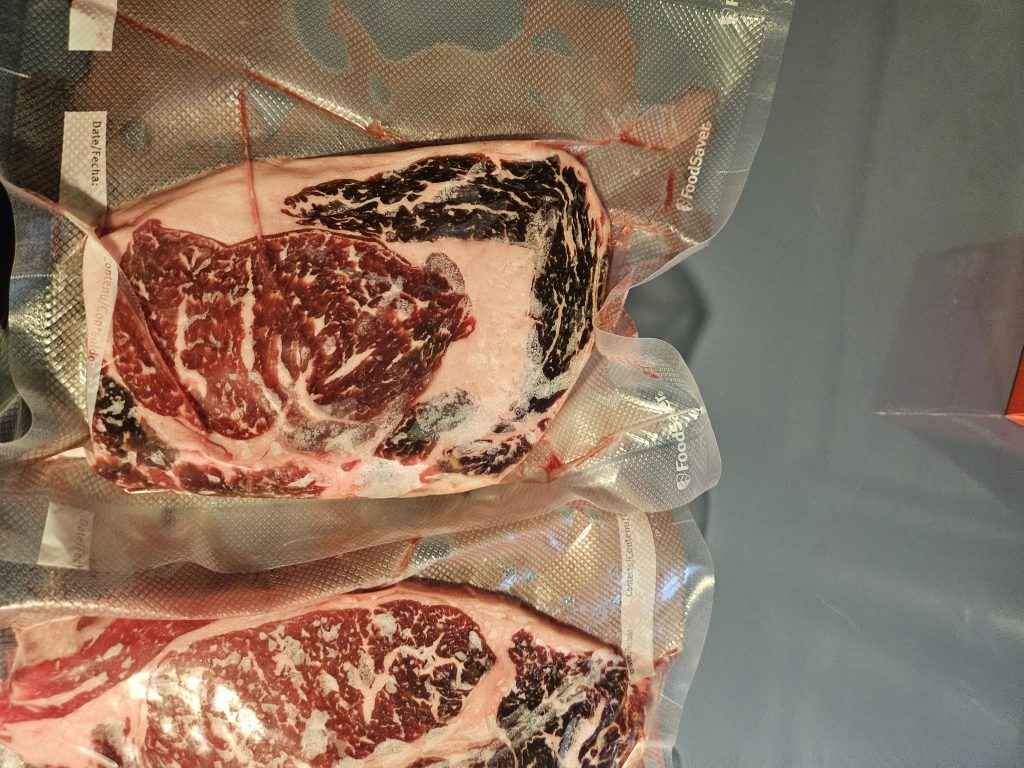
Have you ever opened a vacuum-sealed pack of meat and wondered if it’s still good to eat? You’re not alone.
Many people face this dilemma, questioning whether their vacuum-sealed meat has gone bad. It’s a crucial concern, especially when your health and safety are on the line. But fear not! This guide is here to help you identify the tell-tale signs of spoiled meat, ensuring you and your loved ones enjoy delicious meals without worry.
Imagine the peace of mind you’ll have, knowing exactly when your meat is fresh and when it’s time to toss it. Ready to become a pro at spotting bad meat? Let’s dive in!

Credit: www.reddit.com
Appearance Changes
Appearance changes are clear signs that vacuum sealed meat may have gone bad. Meat’s look can shift due to natural processes or spoilage. Observing these changes helps decide if the meat is safe to eat.
Color Shifts
Fresh vacuum sealed meat usually has a bright, natural color. Beef is red, pork is pink, and poultry is pale. A dull or grayish tone can suggest spoilage. Green or brown patches often mean bacteria growth.
Surface Texture
The surface of good meat feels firm and smooth. Slimy or sticky textures show decay or bacterial activity. A dry, tough surface might mean the meat is old or freezer burned.
Unusual Spots
Look for dark or white spots on the meat surface. Black or green spots often indicate mold. White spots may be freezer burn or fat deposits. Any strange spot is a warning sign to avoid eating.

Credit: www.carnivoresociety.com.au
Smell Indicators
Smell is a powerful clue to detect if vacuum sealed meat has gone bad. Fresh meat has a mild, neutral scent that is not offensive. Changes in smell often signal spoilage and potential health risks. Pay attention to unusual odors as soon as you open the package. These scents can alert you to bacteria or chemical changes inside the meat.
Sour Or Rotten Odor
A sour or rotten smell is a clear sign of spoiled meat. This odor is often sharp and unpleasant. It may remind you of spoiled milk or ammonia. Such a smell means bacteria have started to grow inside the vacuum package. Never ignore this warning. Consuming meat with a sour or rotten odor can cause food poisoning.
Chemical Or Metallic Smell
A chemical or metallic smell is also a red flag. This scent can be strange and artificial, unlike fresh meat. It may come from packaging materials breaking down or meat beginning to spoil. This odor often feels sharp and unnatural. If you notice this smell, discard the meat immediately. It is unsafe to eat and may cause illness.
Packaging Issues
Packaging issues often signal that vacuum sealed meat might be unsafe to eat. These problems can happen even if the meat looks fine at first glance. Paying close attention to the packaging can save you from a bad experience or even food poisoning.
Swollen Or Bulging Bag
If the vacuum sealed bag looks swollen or bulging, it’s a red flag. This usually means gas is building up inside, a sign that bacteria are growing. Have you ever seen a package puff up like a balloon? It’s best to avoid meat in bags like this, no matter how fresh it seems.
Broken Seal
The seal is what keeps your meat fresh by blocking out air. If the seal is broken or loose, air has gotten in, increasing the chance of spoilage. Always check the seal before buying or using vacuum sealed meat. Even a tiny break can let bacteria inside, so don’t take chances.
Excess Moisture Or Liquid
Too much liquid inside the bag is a warning sign. While some moisture is normal, excess liquid can mean the meat is breaking down or bacteria are multiplying. Have you noticed a slimy or watery feel when handling vacuum sealed meat? If yes, it’s safer to discard it and get a fresh pack.

Credit: steakrevolution.com
Texture And Feel
Checking the texture and feel of vacuum sealed meat is a simple yet effective way to know if it has gone bad. Texture changes are often the first signs of spoilage that your eyes might miss. Paying attention to how the meat feels can save you from unpleasant surprises and potential health risks.
Slimy Or Sticky Surface
Have you ever touched vacuum sealed meat and noticed a slimy or sticky film on its surface? This is a strong indicator that bacteria have started to grow. Fresh meat should feel moist but never slippery or tacky.
If you peel back the packaging and your fingers stick to the meat, that’s a red flag. This sliminess often occurs even if the meat looks fine visually. Don’t ignore this texture change—it’s your body’s early warning system.
Soft Or Mushy Meat
Meat that feels unusually soft or mushy to the touch usually means the muscle fibers are breaking down. This is a sign that the meat is deteriorating and losing its natural firmness. Fresh vacuum sealed meat should be firm and spring back slightly when pressed.
Think about squeezing a fresh steak compared to one that’s gone bad. The bad one won’t hold its shape and might feel like it’s falling apart. If your meat feels this way, it’s better to discard it rather than risk food poisoning.
Storage And Expiration
Proper storage and understanding expiration are key to keeping vacuum sealed meat safe. Meat sealed in vacuum packaging lasts longer than regular storage. Yet, it still has limits. Knowing these limits helps avoid eating spoiled meat. Temperature and storage time affect meat quality and safety.
Check Expiry Date
Always check the expiry date on the package. This date shows the last day the meat is safe to eat. Do not ignore it. Even if the meat looks fine, expired meat can cause food poisoning. Mark the date on your calendar when you buy the meat. Use it before that date for best safety.
Storage Time Limits
Vacuum sealed meat lasts longer than fresh meat but not forever. Here are general storage times:
- Refrigerator: 1 to 2 weeks for raw vacuum sealed meat
- Freezer: 6 months to 1 year for raw vacuum sealed meat
- Cooked vacuum sealed meat: 1 to 2 weeks in the fridge
Do not keep meat beyond these limits. The risk of spoilage and bacteria growth rises.
Temperature Effects
Temperature controls how fast meat spoils. Keep vacuum sealed meat cold. The fridge should be below 40°F (4°C). The freezer should be 0°F (-18°C) or lower. Warmer temperatures speed up bacteria growth, even in vacuum sealed packages.
A power outage or warm storage can make meat unsafe quickly. Always store meat in the right temperature range to keep it fresh longer.
Safety Precautions
Handling vacuum sealed meat safely is important for health. It keeps harmful bacteria away and prevents food poisoning. Knowing the right safety steps helps you enjoy meat without worry. Follow these tips to protect yourself and your family.
When To Discard
Throw away vacuum sealed meat if the package is swollen or leaking. Bad smell is a clear sign the meat is spoiled. Change in color, like gray or green spots, means the meat is unsafe. If the seal is broken or air is inside, do not use the meat. Always trust your senses and do not eat meat that seems off.
Proper Handling Tips
- Keep vacuum sealed meat cold, below 40°F (4°C).
- Thaw meat in the fridge, not on the counter.
- Wash hands and surfaces before and after handling meat.
- Use clean utensils to avoid cross-contamination.
- Cook meat to the right temperature to kill bacteria.
- Use vacuum sealed meat before the expiration date.
Frequently Asked Questions
How Can I Tell If Vacuum Sealed Meat Is Spoiled?
Check for a sour smell, slimy texture, or discoloration. These signs mean the meat is likely spoiled and unsafe to eat.
Does Vacuum Sealing Extend Meat’s Shelf Life?
Yes, vacuum sealing slows bacteria growth, extending meat’s shelf life. However, it doesn’t prevent spoilage indefinitely.
Can Vacuum Sealed Meat Turn Bad In The Fridge?
Yes, vacuum sealed meat can still spoil if stored too long or at improper temperatures. Always check for freshness.
What Color Changes Indicate Spoiled Vacuum Sealed Meat?
If meat turns gray, green, or brown, it may be spoiled. Fresh meat usually has a bright red or pink color.
Conclusion
Vacuum sealed meat can last longer but still goes bad. Check for strange smells, slimy texture, or color changes. Trust your senses to decide if meat is safe. Always store meat properly to keep it fresh. When in doubt, throw it away to avoid illness.
Safe food keeps you and your family healthy. Remember these tips to enjoy your meat safely every time.