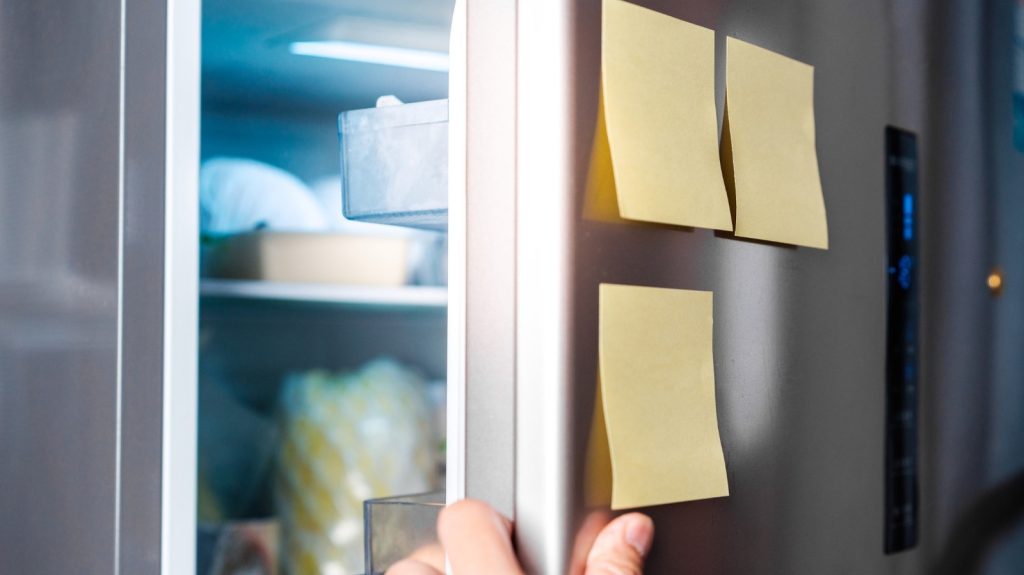
Is your refrigerator acting a little strange lately? You rely on it every day to keep your food fresh and drinks cold, so when it starts making odd noises or not cooling like it used to, it can be worrying.
But how do you know if your fridge is truly on its way out or just having a minor hiccup? Knowing the signs early can save you from spoiled food, unexpected repair bills, and the hassle of a sudden breakdown.
Keep reading, and you’ll learn exactly what to watch for so you can act before it’s too late.
Unusual Noises
Unusual noises coming from your refrigerator can be one of the first signs that it’s starting to fail. These sounds often indicate that parts are struggling or wearing out. Paying attention to these noises can save you from a costly breakdown and keep your food safe.
Loud Or Constant Sounds
If your fridge suddenly becomes loud or produces constant sounds, it’s a warning signal. A loud motor or compressor can mean it’s working overtime to keep cool. This might happen because of dirt buildup or failing parts inside.
You might notice a buzzing, rattling, or even knocking noise that wasn’t there before. Ask yourself: is the noise persistent or only when the fridge cycles on? Consistent loud sounds deserve a quick check to avoid bigger problems.
Clicking And Humming
Clicking sounds followed by humming often come from the compressor or the relay. If you hear the fridge clicking repeatedly without starting properly, it could mean the compressor is struggling to kick in.
Humming is normal when the compressor runs, but if it continues non-stop or gets louder, that’s a red flag. Imagine your fridge sounds like it’s stuck in a loop—this means something inside might be failing.
Next time you hear these noises, try unplugging the fridge for a few minutes then plugging it back in. Does the clicking stop? If not, it’s time to call a technician. Don’t wait until the humming turns into silence and your fridge stops working completely.
Temperature Fluctuations
Temperature fluctuations in your refrigerator can signal a failing appliance. These changes affect food safety and freshness. Watch for uneven cooling and unexpected warm areas. Small shifts might seem minor but can lead to bigger problems.
Warm Spots Inside
Warm spots inside the fridge mean cooling is uneven. Some areas stay cold while others get too warm. This causes food to spoil faster in certain sections. Check the shelves and walls for these spots. Warm spots can result from poor airflow or a faulty thermostat. They often point to a fridge that struggles to maintain temperature.
Freezer Not Freezing Properly
A freezer that does not freeze well shows temperature issues. Ice cream melts or frost builds up unusually. Food might not stay solid or fresh for long. This problem can happen if the compressor or seals fail. Poor freezing means the fridge struggles to keep a steady cold. It is a clear sign your refrigerator may be going out.
Excessive Frost Buildup
Excessive frost buildup inside a refrigerator can block airflow and reduce cooling efficiency. This often signals a failing defrost system or door seal problem. Watch for thick ice layers that don’t melt, as they may mean your fridge needs repair.
Excessive frost buildup in your refrigerator is more than just a nuisance. It can be a sign that your fridge is struggling and may need attention. While a little frost is normal, too much can indicate underlying issues that could lead to bigger problems.Ice Accumulation In Freezer
If you find your freezer packed with ice, it might be time to investigate. Ice accumulation can restrict airflow, making the appliance work harder. This not only raises your energy bill but also shortens the lifespan of your fridge. Consider checking the door seal. A faulty seal allows warm air to enter, leading to excess frost. You can test it by closing a piece of paper in the door; if it slides out easily, the seal may need replacement.Frost On Refrigerator Walls
Noticing frost on the walls of your refrigerator compartment can be alarming. This usually means moisture is getting trapped, which can affect food quality. First, check the temperature settings. If set too low, it can cause frost to form. Adjusting the thermostat might solve the problem. Additionally, examine the door closure. If not closing properly, it could be letting in humid air. Ensuring the fridge is level can help the doors close tight, preventing unwanted frost buildup. Have you ever noticed frost in unexpected places in your refrigerator? Addressing these issues promptly can save you time and money in the long run.
Credit: www.oliverdyersappliance.com
Increased Energy Bills
Noticing a rise in your electricity bills can signal a problem with your refrigerator. Refrigerators consume a lot of energy, so any inefficiency affects your monthly expenses. A sudden increase in energy use often means the appliance is struggling to keep food cold.
Older or failing refrigerators may run longer cycles. This continuous running leads to higher power consumption. Paying attention to your energy bills can help catch issues early. It can save you money and prevent food spoilage.
Unexpected Spikes In Electricity Usage
Watch for unusual jumps in your electric bill. These spikes often happen without changes in your home’s other energy uses. Refrigerators working harder than usual consume more power. A broken door seal or a failing compressor can cause this problem.
Check past bills to compare energy usage over time. Sudden increases may point directly to refrigerator issues. Tracking your energy use monthly can help spot these spikes fast.
Efficiency Loss Indicators
Efficiency loss shows in several ways beyond high bills. Your fridge might feel warmer inside or make strange noises. Frost buildup or condensation inside the fridge can also mean trouble.
Look for these signs:
- Longer running times than normal
- Frequent cycling on and off
- Ice buildup in the freezer section
- Food spoiling faster than usual
These indicators suggest the refrigerator uses more energy to maintain temperature. Addressing these issues early can prevent further damage and save money.
Water Leakage
Water leakage is a common sign that your refrigerator may be failing. It often signals issues with the drainage system or door seals. Detecting water leaks early can prevent bigger problems like mold or electrical damage. Watch for any unusual moisture near or inside your fridge. This section explains key signs to check for water leakage.
Pooling Around The Unit
Water pooling around the base of your fridge is a clear warning sign. It can happen if the drain pan cracks or overflows. Sometimes, blocked defrost drain tubes cause water to spill out. Puddles on the floor create a slipping hazard and damage flooring. Clean the area regularly and inspect the drain pan for cracks or holes. If water keeps appearing, the fridge needs professional attention.
Dripping Inside The Fridge
Water droplets inside the fridge compartments are not normal. This usually means the defrost drain is clogged or frozen. Moisture collects and drips down, causing wet shelves and spoiled food. Check the drain hole and clear any blockages with warm water. Also, ensure the door seals are tight to prevent warm air from entering. Persistent dripping suggests a deeper problem with the fridge’s cooling system.
Door Seal Problems
The door seal plays a crucial role in keeping your refrigerator running efficiently. If the seal is compromised, cold air escapes, forcing your fridge to work harder and increasing energy bills. Spotting door seal problems early can save you from costly repairs and food spoilage.
Worn Or Damaged Gaskets
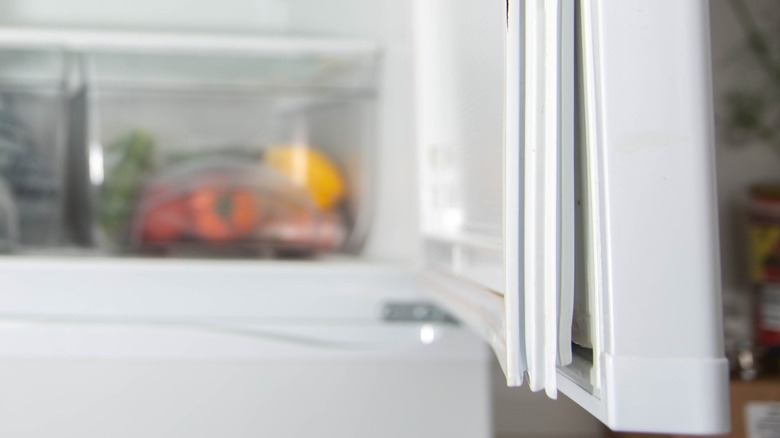
The gasket is the rubber strip that lines the fridge door and creates a tight seal. Over time, gaskets can crack, warp, or lose flexibility due to age or frequent use. If you notice visible tears or the gasket feels brittle, it’s a clear sign your seal is failing.
One quick test you can try is closing the door on a dollar bill. If you can pull the bill out easily without resistance, the gasket isn’t sealing properly. Ignoring worn gaskets can lead to frost buildup and uneven cooling inside your fridge.
Door Not Closing Properly
A refrigerator door that doesn’t close all the way is a common symptom of seal issues. Sometimes the door feels loose or swings open on its own, letting warm air inside. This can happen if the gasket is damaged or if the door hinges are misaligned.
Have you ever noticed moisture or condensation around the door edges? This often means the seal isn’t airtight. Adjusting the hinges or replacing the gasket can restore the proper closure and keep your fridge working efficiently.
Frequent Cycling
Frequent cycling is a common sign that your refrigerator might be struggling. This happens when the appliance’s compressor switches on and off more often than usual. It may seem normal at first, but over time, this pattern can indicate underlying issues that affect your fridge’s efficiency and lifespan.
Compressor Turning On And Off Often
You might notice your refrigerator’s compressor kicking on and shutting off repeatedly in short bursts. This is not typical behavior. Normally, the compressor runs for a consistent period to maintain the right temperature, then rests.
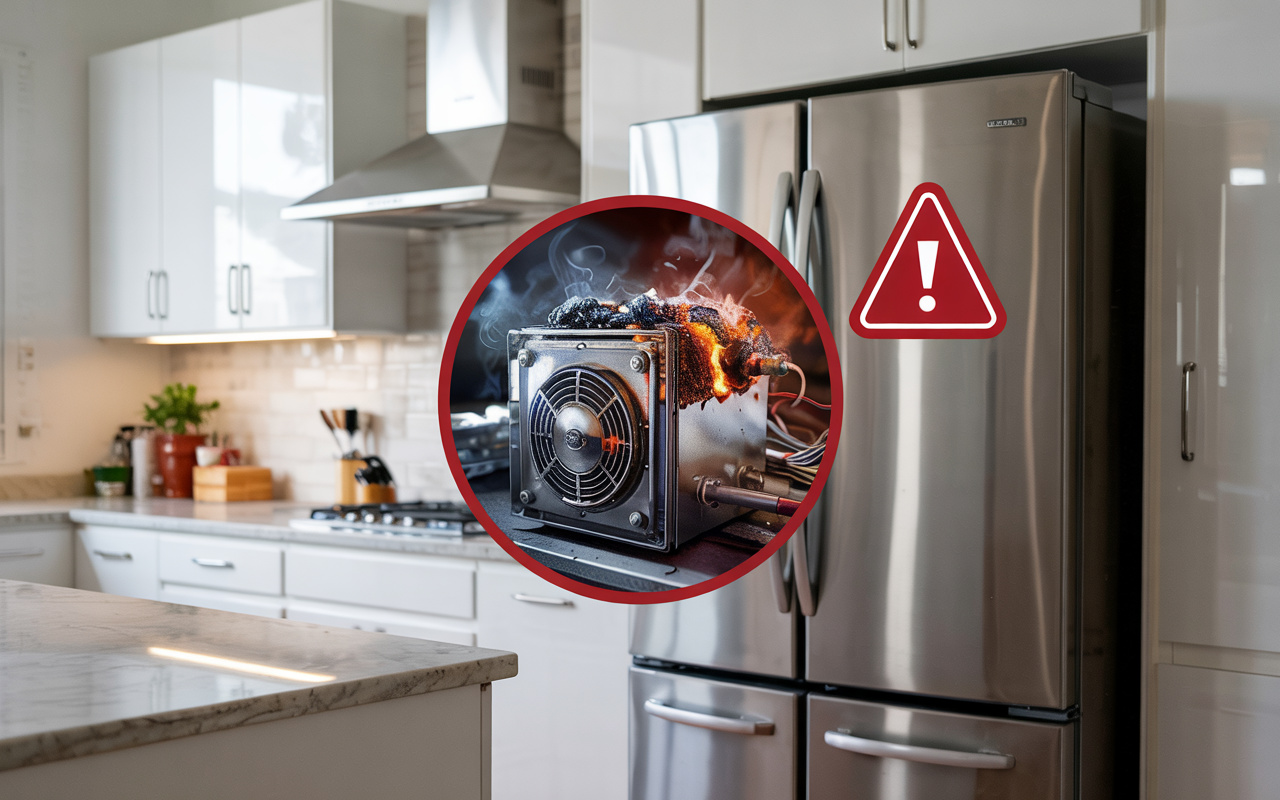
When the compressor cycles too frequently, it’s working harder than necessary. This could be due to problems like a dirty condenser coil, a failing thermostat, or even a refrigerant leak. If you’ve ever heard your fridge making more noise than usual, this might be why.
Impact On Cooling Performance
Frequent cycling can directly affect how well your fridge cools. The inconsistent compressor activity means the temperature inside your fridge can fluctuate more than it should. This makes it harder to keep food fresh and safe.
Think about how your leftovers spoil faster or how your drinks aren’t as cold as they used to be. These are subtle clues that your refrigerator’s cooling system isn’t stable. Have you checked if your fridge’s temperature feels uneven or if frost is building up inside?
Credit: en.clickpetroleoegas.com.br
Visible Wear And Tear
Visible wear and tear on your refrigerator can be a clear sign that it’s nearing the end of its life. These physical damages not only affect the appliance’s appearance but may also impact its performance. Paying attention to these signs early can save you from unexpected breakdowns and costly repairs.
Rust Or Corrosion
Rust often starts in hidden spots like the back or underneath the fridge but can quickly spread to visible areas. If you notice reddish-brown patches or bubbling paint, it’s a sign moisture has been sitting too long, damaging the metal.
Corrosion weakens the structure, making your refrigerator less stable and efficient. It can also cause leaks that damage your floors. Have you checked behind your fridge lately to spot any early rust signs?
Cracks And Dents
Cracks in the plastic components or dents on the doors and sides can seem minor but might affect insulation. Poor insulation means your fridge works harder to maintain temperature, increasing energy bills and risking food spoilage.
Dents may also interfere with door seals, causing cold air to escape. Think about how often you open your fridge—if the door doesn’t close properly every time, your food’s freshness could be at risk. Have you noticed any gaps or unevenness when closing the door?
Credit: www.tastingtable.com
Frequently Asked Questions
How Do I Know If My Fridge Is Failing?
Signs include inconsistent temperatures, strange noises, and excessive frost. Food spoiling quickly also indicates fridge failure. Regular checks help spot issues early.
What Causes A Refrigerator To Stop Cooling Properly?
Common causes are dirty coils, faulty thermostat, or damaged compressor. Poor door seals and blocked vents also reduce cooling efficiency. Timely maintenance prevents these problems.
When Should I Replace My Old Refrigerator?
Replace if repair costs exceed half the fridge price or if it’s over 10-15 years old. Frequent breakdowns and high energy bills also signal replacement time.
Can A Refrigerator Issue Affect Food Safety?
Yes, improper cooling leads to bacteria growth and food spoilage. This increases the risk of foodborne illnesses. Always monitor fridge temperature for food safety.
Conclusion
A fridge that is failing shows clear signs. Strange noises, warm spots, or leaks are red flags. Catching problems early saves money and food. Regular checks keep your appliance working longer. Don’t ignore the warning signs your fridge gives. Take action before the issue gets worse.
A healthy fridge means fresh food and peace of mind. Stay alert and care for your kitchen’s heart.