Have you ever wondered how old your car tires really are? Knowing the age of your tires is more important than you might think.
Worn-out tires can put you and your loved ones at risk on the road. But don’t worry—figuring out your tire’s age is easier than you imagine. You’ll discover simple tips to quickly check the age of your tires, so you can drive safer and make smarter decisions for your car.
Keep reading, because your safety depends on it!
Reading The Tire Date Code
Knowing the age of your car tires is important for safety. Tires older than six years may need replacement.
Each tire has a special code that shows when it was made. This is called the tire date code.
Locating The Dot Code
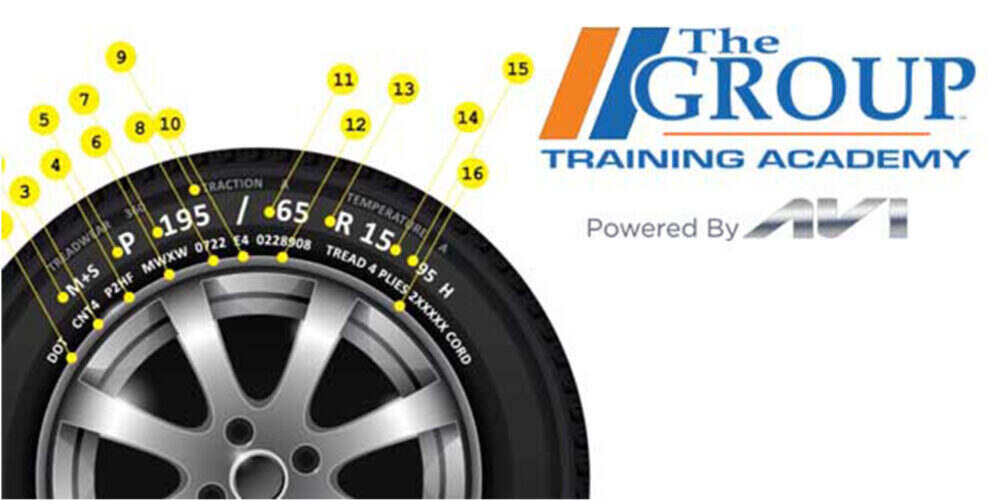
Look for the letters “DOT” on the tire sidewall. This marks the start of the tire’s identification code.
The full DOT code is a string of letters and numbers. The last four digits tell the tire’s age.
- Check both sides of the tire if needed
- The DOT code is usually near the rim
- It may be hard to see if the tire is dirty
Decoding The Week And Year
The last four digits of the DOT code show the week and year of manufacture. The first two digits are the week.
The last two digits are the year. For example, “2319” means the tire was made in the 23rd week of 2019.
- First two digits = week (01 to 52)
- Last two digits = year (e.g., 19 for 2019)
- Use this to find the tire’s exact age
Interpreting Older Tire Codes
Tires made before 2000 have three-digit date codes. They show only the week and year’s last digit.
For example, “231” means the 23rd week of a year ending in 1, like 1991 or 1981. This can be unclear.
- Three digits: first two = week, last = year’s last digit
- Check tire age carefully to avoid old tires
- When unsure, ask a tire expert for help
Credit: www.bfgoodrichtires.com
Checking Tire Wear And Condition
Knowing the age of a car tire helps keep your vehicle safe. Checking the tire’s wear and condition shows if it is still good to use. You can find signs that tell the tire’s age and health.
Look closely at the tire’s tread, cracks, and sidewalls. These parts show how much the tire has aged and if it needs replacing.
Inspecting Tread Depth
Tread depth shows how much life the tire has left. Deep tread means good grip and safety. Worn tread can cause slips and bad handling.
- Use a tread depth gauge to measure the grooves.
- Check if tread is below 2/32 inch; then replace the tire.
- Look for uneven wear, which may show alignment problems.
- Check all tires for consistent tread depth.
Looking For Cracks And Dry Rot
Cracks and dry rot happen when tires age or face harsh weather. They make the tire weak and unsafe. Look carefully along the tread and sidewalls.
| Signs | What to Do |
| Small cracks on surface | Check often, may need replacing soon |
| Deep cracks or chunks missing | Replace tire immediately |
| Rubbery or brittle feel | Consider tire age, replace if old |
Assessing Sidewall Damage
Sidewalls protect the tire and hold air pressure. Damage here can cause sudden failure. Look for bulges, cuts, or scrapes on the sidewalls.
- Bulges or bubbles on the sidewall mean internal damage.
- Cut marks can lead to leaks or blowouts.
- Scrapes may weaken the tire but check depth and size.
- Any damage found should be inspected by a professional.
Using Technology And Tools
Technology helps you find out how old your car tires are. Tools and apps make it easier and faster to check tire age. Knowing tire age helps keep your car safe on the road.
This guide explains some useful tools and technology for tire age identification. You will learn about apps, monitoring systems, and professional devices.
Apps For Tire Age Identification
Several smartphone apps can read the tire’s DOT code. This code shows the week and year the tire was made. Apps use your phone camera to scan the code quickly.
- Open the app and allow camera access
- Focus on the DOT code on the tire sidewall
- The app reads the code and shows the tire’s age
- Some apps also give safety tips based on tire age
Tire Pressure Monitoring Systems
Tire Pressure Monitoring Systems (TPMS) track air pressure inside tires. Some advanced TPMS models also record tire temperature and wear. These details help assess tire condition and indirectly hint at tire age.
| TPMS Feature | Benefit for Tire Age |
| Air Pressure Alerts | Detects leaks that age tires faster |
| Temperature Monitoring | Shows heat build-up that can weaken tires |
| Wear Data Tracking | Helps know if tires need replacement soon |
Professional Tire Inspection Devices
Mechanics use special devices to check tire age and health. These tools can scan the DOT code and test tire strength. They give exact information that apps or TPMS may miss.
Common professional devices include:
- DOT code scanners
- Tire tread depth gauges
- Rubber hardness testers
- Infrared scanners for heat damage
These tools help experts give you a clear report on your tire’s age and safety.

Credit: www.reddit.com
Factors Affecting Tire Aging
Car tires do not last forever. Their age depends on many factors. Knowing these helps you keep your car safe.
This guide looks at three main factors that affect how tires age. These are environmental influences, storage conditions, and driving habits.
Environmental Influences
Sunlight, heat, and moisture break down tire rubber. Tires exposed to harsh weather age faster. UV rays cause cracks on the tire surface.
- Direct sunlight speeds up tire wear.
- High temperatures soften the rubber.
- Moisture can cause dry rot and damage.
- Ozone in the air can crack tires over time.
Storage Conditions
How and where you store tires affects their lifespan. Proper storage keeps tires in good shape even when not in use.
| Storage Condition | Effect on Tire Aging |
|---|---|
| Cool, dry place | Slows aging and prevents cracking |
| Hot, humid area | Speeds up rubber breakdown |
| Stacked horizontally | Can cause flat spots over time |
| Hung vertically | Maintains shape better |
Driving Habits
How you drive impacts tire wear. Hard braking and fast cornering stress tires. Smooth driving helps tires last longer.
Common driving habits that affect tire aging:
- Frequent rapid acceleration wears tires quickly.
- Sharp turns increase sidewall stress.
- Overloading the vehicle strains tires.
- Driving on rough roads causes faster damage.
When To Replace Old Tires
Knowing when to replace old tires is important for your safety. Tires wear out over time and can become unsafe. This guide helps you understand when it is time to get new tires.
Check the age of your tires and signs of damage regularly. Follow rules and recommendations to keep your vehicle safe on the road.
Manufacturer Recommendations
Tire makers suggest replacing tires every six years, even if they look fine. This is because rubber breaks down over time. Old tires can fail without warning.
- Check the tire’s manufacturing date on the sidewall.
- Replace tires after 6 years, no matter the tread depth.
- Inspect tires often for cracks and damage.
- Store tires properly if not in use to slow aging.
Signs Of Unsafe Tires
Look for visible signs that your tires need replacing. These signs show that tires might fail soon and are unsafe to drive on.
| Sign | Description |
| Cracks on Sidewalls | Small cracks or splits in the rubber |
| Worn Tread | Tread depth less than 2/32 inch |
| Bulges or Blisters | Raised areas on the tire surface |
| Vibration | Strong shaking while driving |
Legal Tire Age Limits
Some places have laws about tire age. These rules help keep drivers safe and reduce accidents caused by old tires.
- Check local laws on tire age limits.
- Many regions ban tires older than 10 years.
- Commercial vehicles often have stricter limits.
- Follow the law to avoid fines and safety risks.

Credit: www.youtube.com
Frequently Asked Questions
How Can I Find The Manufacture Date On A Tire?
You can find the manufacture date in the DOT code on the tire sidewall. Look for the last four digits; they show the week and year of manufacture.
Why Is Knowing Tire Age Important For Safety?
Tire age affects rubber quality and performance. Old tires may crack, lose grip, and increase accident risk, even if tread looks fine.
What Does The Dot Code On A Tire Mean?
The DOT code indicates tire compliance and manufacture details. The last four digits reveal the production week and year for age identification.
How Often Should Car Tires Be Replaced By Age?
Experts recommend replacing tires every 6 to 10 years, regardless of tread wear, to ensure safety and optimal performance.
Conclusion
Knowing a tire’s age helps keep you safe on the road. Check the DOT code on the tire’s sidewall. The last four numbers show the week and year made. Old tires can crack and fail unexpectedly. Replace tires that are over six years old.
Regular checks prevent accidents and save money. Stay alert and inspect your tires often. Safe driving starts with good tire care.