Are you in the market for a new cooktop but feeling overwhelmed by the choices? You’re not alone.
Many people find themselves confused when trying to decide between induction and electric cooktops. At first glance, they might seem similar, but there are key differences that could impact your cooking experience and your kitchen’s energy efficiency. Understanding these differences can save you time, money, and frustration.
Imagine cooking your favorite meal with precision and ease, knowing you’ve chosen the perfect cooktop for your culinary needs. Intrigued? Let’s dive into the specifics that set induction and electric cooktops apart, helping you make the best decision for your home.
Key Features Of Induction Cooktops
Understanding the key features of induction cooktops can help you decide if they fit your cooking style and kitchen needs. These cooktops offer unique benefits that set them apart from traditional electric models. Let’s take a closer look at what makes induction technology stand out.
How Induction Technology Works
Induction cooktops use magnetic fields to heat your cookware directly. Instead of heating the cooktop surface, they generate heat inside the pot or pan itself. This means the cooktop stays cooler to the touch and heats up much faster than conventional electric cooktops.
Have you noticed how quickly your water boils on an induction cooktop? That’s because the energy is transferred efficiently, reducing heat loss. This direct transfer method also allows for precise temperature adjustments, giving you better control over your cooking.
Common Materials For Induction Cookware
Not all cookware works with induction cooktops. Your pots and pans must have a magnetic base to trigger the induction process. Materials like cast iron, stainless steel (with magnetic properties), and some specially designed cookware work well.
If you try using aluminum, copper, or glass cookware, the cooktop won’t heat. You can test your existing pans by placing a magnet on the bottom—if it sticks firmly, it’s compatible. This simple test can save you from frustration and ensure smooth cooking.
Energy Efficiency And Heat Control
Induction cooktops are known for their energy efficiency. Since heat is generated directly inside the cookware, less energy is wasted compared to electric cooktops that heat a coil or glass surface first. This means your kitchen stays cooler, and your energy bills might go down.
Precise heat control is another major advantage. You can quickly switch from a high boil to a gentle simmer with just a dial or touch control. Have you ever struggled to keep sauces from burning? Induction cooktops make it easier to maintain exact temperatures for delicate dishes.
Credit: www.consumerreports.org
Key Features Of Electric Cooktops
Electric cooktops are common in many kitchens. They offer a simple way to cook food with electric power. Understanding their key features helps you choose the right one for your needs. These cooktops vary in design, heating methods, and energy use. Knowing these differences makes cooking easier and safer.
Types Of Electric Cooktops
- Coil Cooktops:Use exposed metal coils that heat up when powered.
- Glass-Ceramic Cooktops:Have a smooth surface with heating elements underneath.
- Smoothtop Electric Cooktops:Similar to glass-ceramic but often with better heat control.
Heating Elements And Surface Materials
Electric cooktops use different heating elements. Coil cooktops have metal coils that glow red when hot. Glass-ceramic and smoothtop models use radiant or halogen elements beneath the surface.
The surface material affects cleaning and heat transfer. Glass-ceramic surfaces are smooth and easy to clean. Coil cooktops can be harder to clean because of exposed parts.
Energy Usage And Heat Distribution
Electric cooktops use electricity to heat the elements. They take longer to heat up compared to induction cooktops. Heat spreads evenly but can take time to cool down.
Energy efficiency varies by type. Glass-ceramic cooktops lose some heat to the air. Coil cooktops may waste more energy because of exposed coils.
Visual And Physical Differences
Spotting the difference between induction and electric cooktops by just looking at them can be tricky, but there are clear visual and physical clues you can use. Understanding these differences helps you quickly identify which cooktop suits your kitchen style and cooking needs.
Surface Appearance And Design
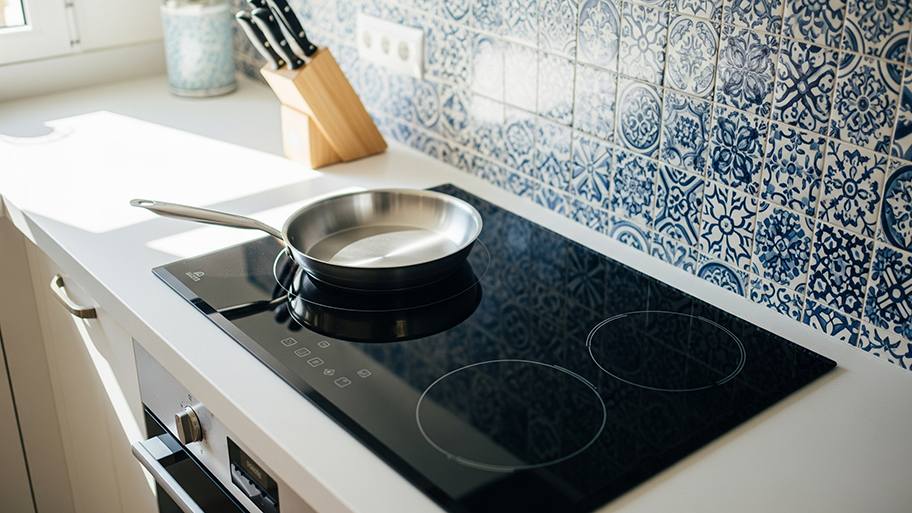
Both induction and electric cooktops often have sleek, smooth glass-ceramic surfaces that look quite similar at first glance. However, induction cooktops usually feature distinct circular zones or rings that indicate where your cookware should sit. These zones often have sharper, more defined outlines, sometimes with digital touch controls integrated nearby.
Electric cooktops may show coil burners beneath the glass or smooth radiant elements without clearly marked zones. The surface might feel warmer to the touch even when off, unlike induction models which remain cool outside the cooking area. Have you noticed how induction surfaces often appear more minimalist and modern compared to some traditional electric models?
Cookware Compatibility
One of the easiest ways to tell induction from electric is by checking your cookware. Induction cooktops only heat pans made of magnetic materials like cast iron or certain stainless steels. You can test this by sticking a magnet to the bottom of your pan—if it sticks firmly, your cookware is induction-ready.
Electric cooktops don’t require special pans and work with almost any type of cookware, including glass, aluminum, and copper. This difference means your cookware drawer may already hint at which cooktop type you have or need. Do you own a magnetic pan that heats quickly and evenly? You might have or want an induction cooktop.
Response To Touch And Heat
Touch response is another giveaway. Induction cooktops heat instantly when you turn them on, and the surface remains relatively cool except where the pan sits. You’ll feel a gentle warmth only under the cookware, making it safer to touch accidentally.
Electric cooktops heat the surface itself, so the entire burner area becomes hot and stays hot even after you turn it off. This lingering heat can be a safety concern and makes it easier to accidentally burn yourself. Have you ever touched an electric burner after cooking and felt that residual heat? That’s a clear sign it’s not induction.
Credit: www.angi.com
Performance Comparison
Performance is a key factor when choosing between induction and electric cooktops. Understanding how each type handles cooking speed, heat precision, safety, and maintenance can help you decide which one fits your kitchen style and cooking habits best. Let’s break down these aspects to give you clear insights.
Cooking Speed And Heat Precision
Induction cooktops heat up much faster than electric ones because they use magnetic energy to directly warm the pan. This means your water boils quicker and your food starts cooking almost immediately. If you’re often in a rush or love quick meals, induction can save you valuable time.
Heat control on induction cooktops is highly precise. You can adjust the temperature instantly and see the change right away. Electric cooktops, on the other hand, take longer to heat up and cool down, making fine temperature control harder to achieve.
Have you noticed how some dishes require delicate simmering? Induction makes this easier by maintaining steady low heat without spikes, something electric cooktops struggle with.
Safety Considerations
Induction cooktops stay cool except under the pan, reducing the risk of burns. This makes them a safer option, especially if you have kids or pets. Electric cooktops remain hot for a while after being turned off, which can cause accidental burns if you’re not careful.
Another safety feature of induction is its automatic shut-off if no pan is detected. This prevents wasted energy and potential hazards. Electric cooktops don’t have this capability, so you need to remember to turn them off manually.
Think about your kitchen habits—do you often get distracted? Induction’s safety features might give you peace of mind during busy cooking sessions.
Cleaning And Maintenance
Cleaning induction cooktops is usually easier because their smooth glass surface doesn’t get as hot, so spills don’t bake on as quickly. Wiping down after cooking is often enough to keep them spotless.
Electric cooktops can be trickier. Their coil or radiant elements heat up more, causing spills to burn onto the surface. This means you may need scrubbing and special cleaners to keep them clean.
Also, induction surfaces are less prone to scratches and stains if you use the right cookware, while electric cooktops can show wear faster. Would you prefer spending less time cleaning or don’t mind a little extra effort?
Cost And Installation Factors
Understanding the cost and installation factors of induction and electric cooktops can save you both money and hassle. These elements often influence your final decision more than just the cooking experience itself. Let’s break down what you should expect in terms of price, setup, and long-term value.
Price Range And Budget Options
Electric cooktops tend to be more budget-friendly upfront. You can find reliable models starting as low as $150, making them attractive if you’re watching your spending.
Induction cooktops usually start around $300 and can go up to $2,000 or more for advanced models. The higher cost reflects the technology and efficiency they provide.
Think about how often you cook and the features you really need before making a choice. Could spending more now save you money later?
Installation Requirements
Electric cooktops are generally easier to install. They often work with standard kitchen wiring and fit into existing countertop spaces.
Induction cooktops may require a dedicated electrical circuit and professional installation. This adds to the initial cost and complexity.
Consider your kitchen’s current setup. Is your electrical system ready for induction, or will it need an upgrade? This can impact your budget and timeline significantly.
Long-term Value And Durability
Induction cooktops offer energy efficiency, meaning lower electricity bills over time. They heat faster and cool down quickly, which can extend the life of your cookware and reduce wear on the cooktop itself.
Electric cooktops, while less efficient, tend to have fewer electronic components that might fail, sometimes resulting in easier and cheaper repairs.
Ask yourself: Is it worth investing more upfront for potential savings and performance, or do you prefer a simpler, lower-cost option with straightforward maintenance?
Credit: palmetto.com
Choosing The Right Cooktop For You
Choosing the right cooktop is more than picking a stylish appliance. It’s about matching your cooking needs, kitchen space, and values to the right technology. Understanding how induction and electric cooktops fit into your daily life can save you time, money, and frustration.
Lifestyle And Cooking Habits
Think about how you cook most often. Do you enjoy quick, precise temperature control for delicate sauces and stir-fries? Induction cooktops respond instantly to temperature changes, making them ideal for those who like to multitask in the kitchen.
If you prefer slow cooking or simmering and don’t mind a bit of heat lingering after you turn off the burner, an electric cooktop might suit you better. Also, consider how often you cook. If you’re a frequent cook, induction’s energy efficiency and safety features could improve your experience significantly.
Kitchen Layout And Space
Measure your kitchen space carefully. Induction cooktops are usually slimmer and can fit flush with your countertop, creating a sleek look. They also require compatible cookware, which might mean extra purchases if your current pots and pans don’t work.
Electric cooktops tend to have a more traditional design and don’t require special pans, so they fit well in kitchens where you want straightforward installation. However, they may take up more space and sometimes come with raised coil burners, which can affect your countertop layout.
Environmental Impact
Consider the impact your cooktop choice has on the environment. Induction cooktops use electromagnetic energy, heating the pan directly and wasting less heat. This efficiency means less energy consumption, reducing your carbon footprint over time.
Electric cooktops convert electricity into heat via coils or glass elements, which can be less efficient. If your electricity comes from renewable sources, this might lessen the environmental difference. Still, induction’s faster cooking times often translate into lower overall energy use.
Frequently Asked Questions
What Is The Main Difference Between Induction And Electric Cooktops?
Induction cooktops use magnetic fields to heat pots directly, while electric cooktops use radiant heat from coils or elements. Induction heats faster and offers precise temperature control. Electric cooktops are slower but compatible with all cookware types.
How To Identify An Induction Cooktop Easily?
Induction cooktops usually have a smooth glass surface with specific coil markings. They require magnetic cookware to work. If a magnet sticks to the pot bottom, it’s induction-compatible. Electric cooktops don’t need special cookware and often have visible heating coils or coils beneath glass.
Are Induction Cooktops More Energy Efficient Than Electric?
Yes, induction cooktops are more energy efficient because they heat pots directly, minimizing heat loss. Electric cooktops lose more heat to the surrounding air. Induction also cooks food faster, saving energy overall.
Can All Pots Be Used On Induction Cooktops?
No, only magnetic cookware like cast iron or stainless steel works on induction cooktops. Aluminum, copper, and glass pots don’t work unless they have a magnetic base. Electric cooktops have no such limitations.
Conclusion
Choosing between induction and electric cooktops depends on your cooking style. Induction heats faster and uses magnetic pots. Electric cooktops take longer but work with any cookware. Both offer different benefits and costs. Think about safety, speed, and energy use.
Your kitchen space and budget also matter. Understanding these points helps you pick the best cooktop. Cooking will be easier and more fun with the right choice. Take your time to decide what suits your needs best.