
Do you ever wonder what those numbers and letters on your car’s tires actually mean? Knowing how to tell your tire size is more important than you might think.
It helps you find the right replacement tires, improves your car’s performance, and keeps you safe on the road. You’ll learn a simple way to understand tire sizes without any confusion. By the end, you’ll feel confident reading those codes and making smart choices for your car.
Keep reading to unlock the secret behind your tire size!
Credit: www.michelin.ca
Locate Tire Markings
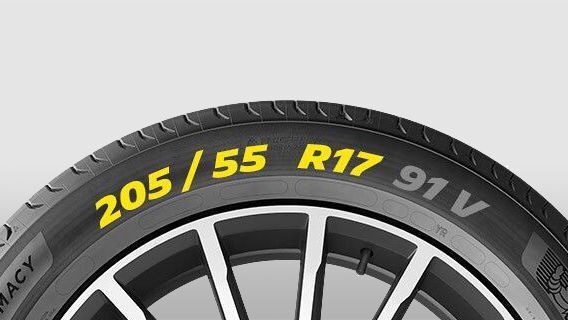
Knowing your tire size helps with maintenance and replacement. The size is printed on the tire sidewall. This guide shows how to find and read these markings.
Look closely at the tire’s outer edge. The markings include numbers and letters that tell you important details about your tire.
Check Tire Sidewall
Examine the sidewall of the tire for a sequence of numbers and letters. These markings are usually raised and easy to spot. They describe the tire’s size, type, and performance.
- Look for a combination like P215/65R15.
- Find the brand and tire model name nearby.
- Check for additional codes such as load index and speed rating.
- Notice the manufacturing date, usually a four-digit number.
Identify Key Numbers
The key numbers show your tire’s width, aspect ratio, and rim diameter. Understanding these helps you pick the right tire size.
| Marking | Meaning |
| P215 | Tire width in millimeters |
| 65 | Aspect ratio (height to width percentage) |
| R | Radial construction |
| 15 | Rim diameter in inches |
Decode Tire Width
Tire size has many numbers and letters. The width is one of the most important parts to know.
Understanding tire width helps you pick the right tire for your car. It also affects how the tire performs.
Understanding The Width Number
The width number shows how wide the tire is from side to side. It is the first number in the tire size code.
This number tells you the distance in millimeters. It measures the tire’s width across the tread.
- Example: In 205/55R16, “205” is the width number
- This means the tire is 205 millimeters wide
- A higher number means a wider tire
Width Measurement Units
Tire width is measured in millimeters worldwide. This unit gives exact size information.
Millimeters are easy to compare. A 200 mm tire is narrower than a 250 mm tire.
- Millimeters (mm) are metric units
- 1 millimeter equals 0.039 inches
- Using mm helps standardize tire sizes
Interpret Aspect Ratio
The aspect ratio is a key part of a tire size. It tells you the tire’s sidewall height compared to its width.
Understanding aspect ratio helps you know how tall the tire’s sidewall is. This affects ride comfort and handling.
What Aspect Ratio Means
The aspect ratio is the second number in the tire size code. For example, in 205/55R16, the “55” is the aspect ratio.
This number shows the height of the sidewall as a percentage of the tire’s width. A 55 means the sidewall is 55% of the width.
- A higher aspect ratio means a taller sidewall.
- A lower aspect ratio means a shorter sidewall.
- Taller sidewalls offer more cushioning on rough roads.
- Shorter sidewalls improve handling and cornering.
Calculating Sidewall Height
You can find the sidewall height by multiplying the tire width by the aspect ratio percentage.
| Tire Width (mm) | Aspect Ratio (%) | Sidewall Height (mm) |
| 205 | 55 | 112.75 |
| 225 | 60 | 135 |
| 195 | 65 | 126.75 |
Recognize Rim Diameter
Knowing your tire size helps you find the right replacement. The rim diameter is a key part of the tire size.
The rim diameter tells you the size of the wheel your tire fits. It is measured in inches.
Finding Rim Size
Look at the sidewall of your tire to find the rim diameter. It is part of a number series printed there.
The rim diameter is the last number in the tire size code. For example, in 205/55R16, the rim diameter is 16 inches.
Common Rim Diameter Sizes
Rim diameters come in many sizes. Common sizes fit most cars and light trucks.
- 13 inches
- 14 inches
- 15 inches
- 16 inches
- 17 inches
- 18 inches
- 19 inches
- 20 inches
Identify Load Index And Speed Rating
Tire size shows more than just width and height. It also tells you about load index and speed rating. These numbers help you choose the right tire for your car.
Knowing the load index and speed rating keeps you safe on the road. It ensures your tires handle your car’s weight and speed.
Load Index Explained
The load index is a number on your tire’s sidewall. It shows the tire’s maximum weight limit. This limit tells you how much weight each tire can hold safely.
Higher load index numbers mean the tire can hold more weight. You should pick tires with a load index that matches or exceeds your car’s needs.
- Load index ranges from about 75 to 105
- 75 means the tire holds 853 lbs (387 kg)
- 105 means the tire holds 2,039 lbs (925 kg)
- Check your car manual for the correct load index
Speed Rating Symbols
Speed rating is a letter on the tire sidewall. It shows the maximum speed the tire can handle safely. This helps prevent tire damage at high speeds.
Each letter matches a speed limit in miles per hour or kilometers per hour. Pick tires with a speed rating that fits your driving habits.
| Speed Rating | Max Speed (mph) | Max Speed (km/h) |
|---|---|---|
| L | 75 | 120 |
| M | 81 | 130 |
| Q | 99 | 160 |
| S | 112 | 180 |
| T | 118 | 190 |
| H | 130 | 210 |
| V | 149 | 240 |
| W | 168 | 270 |
| Y | 186 | 300 |
| Z | Over 149 | Over 240 |

Credit: www.youtube.com
Use Online Tools
Finding the right tire size for your car can be simple with the help of online tools. These tools give fast answers by using your car details or the tire code.
Using the internet saves time and helps avoid mistakes. You can compare sizes and learn what fits best without leaving home.
Tire Size Calculators
Tire size calculators let you enter numbers from your tire’s sidewall or your car’s model. The tool then shows you the exact tire size and other key info.
- Input tire width, aspect ratio, and diameter
- Check the sidewall code for size details
- Compare different tire sizes side by side
- See how changes affect speed and distance
Mobile Apps For Tire Info
Mobile apps give tire size details right on your phone. You can scan a tire or enter data manually to get size and fit info.
| Feature | Description |
| Barcode Scanner | Scan tire barcode to get size and specs |
| Tire Lookup | Search by tire brand and model name |
| Size Comparison | Compare multiple tire sizes quickly |
| Fitment Guide | Check if a tire fits your car make and model |
Check Vehicle Manual
Your vehicle manual is the best place to find tire size information. It shows the exact sizes that fit your car safely.
Checking the manual helps you avoid buying the wrong tires. You get the correct size for good performance.
Recommended Tire Sizes
The manual lists recommended tire sizes for your car model. These sizes match your car’s design and weight.
Using recommended sizes keeps your car balanced and helps tires wear evenly.
- Look for tire width, aspect ratio, and rim diameter
- Follow the size format like 205/55R16
- Check for any alternative sizes allowed
Safety Considerations
Choosing the right tire size is important for safe driving. The manual helps you avoid unsafe tire options.
Wrong tire sizes can cause poor handling or damage to your car.
- Use only sizes approved by the vehicle manual
- Check tire pressure often for safety
- Replace tires if size or condition is wrong

Credit: www.counterman.com
Frequently Asked Questions
How Do I Find Tire Size On My Car?
Look on the tire sidewall for numbers like 205/55R16. This indicates width, aspect ratio, and rim diameter. Check your car door jamb sticker for tire info too.
What Do Numbers On Tire Sidewall Mean?
The first number is tire width in millimeters. The second is aspect ratio as a percentage. The letter shows tire construction. The last number is rim diameter in inches.
Can I Use Different Tire Sizes On My Car?
You can, but it may affect safety and performance. Always consult your car manual or a tire expert before changing sizes.
Where Else Can I Find My Car’s Tire Size?
Besides the tire itself, check the inside edge of the driver’s door or the owner’s manual. Both list recommended tire sizes for your vehicle.
Conclusion
Knowing your car’s tire size helps you choose the right replacements. Check the numbers on the tire sidewall carefully. These numbers tell you the tire width, aspect ratio, and rim diameter. Understanding tire size keeps your car safe and running well.
Next time you shop for tires, you will feel confident. Simple steps make a big difference. Keep this guide handy and save time. Your car deserves the right fit. Easy to read, easy to remember. That’s the key to tire size knowledge.