
Are you tired of your food drying out or cooking unevenly? Knowing how to tent aluminum foil can be a game-changer in your kitchen.
With this simple technique, you can keep your dishes moist, lock in flavors, and get perfect results every time. Whether you’re roasting a turkey, baking vegetables, or reheating leftovers, mastering the art of tenting foil will save you time and frustration.
Keep reading to discover easy steps that will transform your cooking and impress everyone at your table.
Why Tent With Aluminum Foil
Tenting food with aluminum foil is a simple way to improve cooking results. It helps keep food safe and tasty while cooking.
Using foil tents can change how heat affects your food. It also keeps moisture and flavors locked in.
Protecting Food From Overcooking
Aluminum foil acts like a shield from too much heat. It stops the surface of food from burning or drying out.
Foil tents slow down cooking on the outside but let the inside cook fully. This helps cook meat, vegetables, and baked dishes evenly.
Retaining Moisture And Juices
Foil tents trap steam and moisture around food. This keeps food juicy and soft instead of dry or tough.
- Prevents moisture loss during cooking
- Keeps meat tender and juicy
- Helps vegetables stay crisp and moist
- Stops sauces from evaporating too fast
Enhancing Flavor And Texture
Foil tents help flavors blend by holding in steam. This makes food taste richer and more balanced.
| Benefit | How Foil Helps |
| Flavor | Traps steam to mix spices and juices |
| Texture | Keeps food moist and soft, not dry |
| Appearance | Prevents burning and over-browning |
Choosing The Right Aluminum Foil
Tenting with aluminum foil helps cook food evenly and keep it moist. Picking the right foil makes a big difference.
Different types of foil work better for certain tasks. Learn about the options to find the best one for your needs.
Heavy-duty Vs Standard Foil
Heavy-duty foil is thicker and stronger than standard foil. It resists tearing and holds up well to heat.
Standard foil is thinner and easier to tear. It works well for light tasks but may not last long during long cooking times.
- Heavy-duty foil is best for grilling and roasting.
- Standard foil is good for covering dishes or wrapping snacks.
- Heavy-duty foil holds food better and prevents leaks.
Non-stick Foil Options
Non-stick foil has a special coating that stops food from sticking. It helps keep food intact when you remove the foil.
This foil is helpful for baking or cooking sticky foods like fish or cheese. It makes cleanup easier too.
- Use non-stick foil for delicate or sticky foods.
- Standard foil may cause food to tear when you remove it.
- Non-stick foil can be a bit more expensive than regular foil.
Foil Thickness And Quality
Foil thickness affects durability and heat resistance. Thicker foil handles high heat better and lasts longer.
Quality foil is made from pure aluminum and feels smooth. Lower quality foil may rip easily or have uneven thickness.
| Foil Type | Thickness | Best Use |
|---|---|---|
| Standard | 0.016 mm | Light cooking, wrapping |
| Heavy-Duty | 0.024 mm or more | Grilling, roasting, long cooking |
Preparing To Tent
Tenting aluminum foil is a useful cooking technique. It helps keep food moist and evenly cooked. Let’s explore how to do it right.
Before starting, ensure you have enough foil and a safe space to work. Follow these steps to prepare your foil tent effectively.
Cutting The Foil Correctly
Start by cutting the foil to the right size. This ensures it covers your dish properly without gaps.
- Measure the dish to determine how much foil is needed.
- Cut a piece of foil that is slightly larger than the dish.
- Ensure there is enough foil to fold over the edges.
Shaping The Foil Tent
Shaping the foil is crucial for proper tenting. It should form a dome over the food, not touching it.
Ensuring Proper Ventilation
Proper ventilation is key to releasing steam. This prevents soggy results and allows heat to circulate.
| Ventilation Tip | Description |
| Poke small holes | Use a fork to create tiny vents in the foil |
| Leave edges loose | Do not seal the foil tightly around the dish |
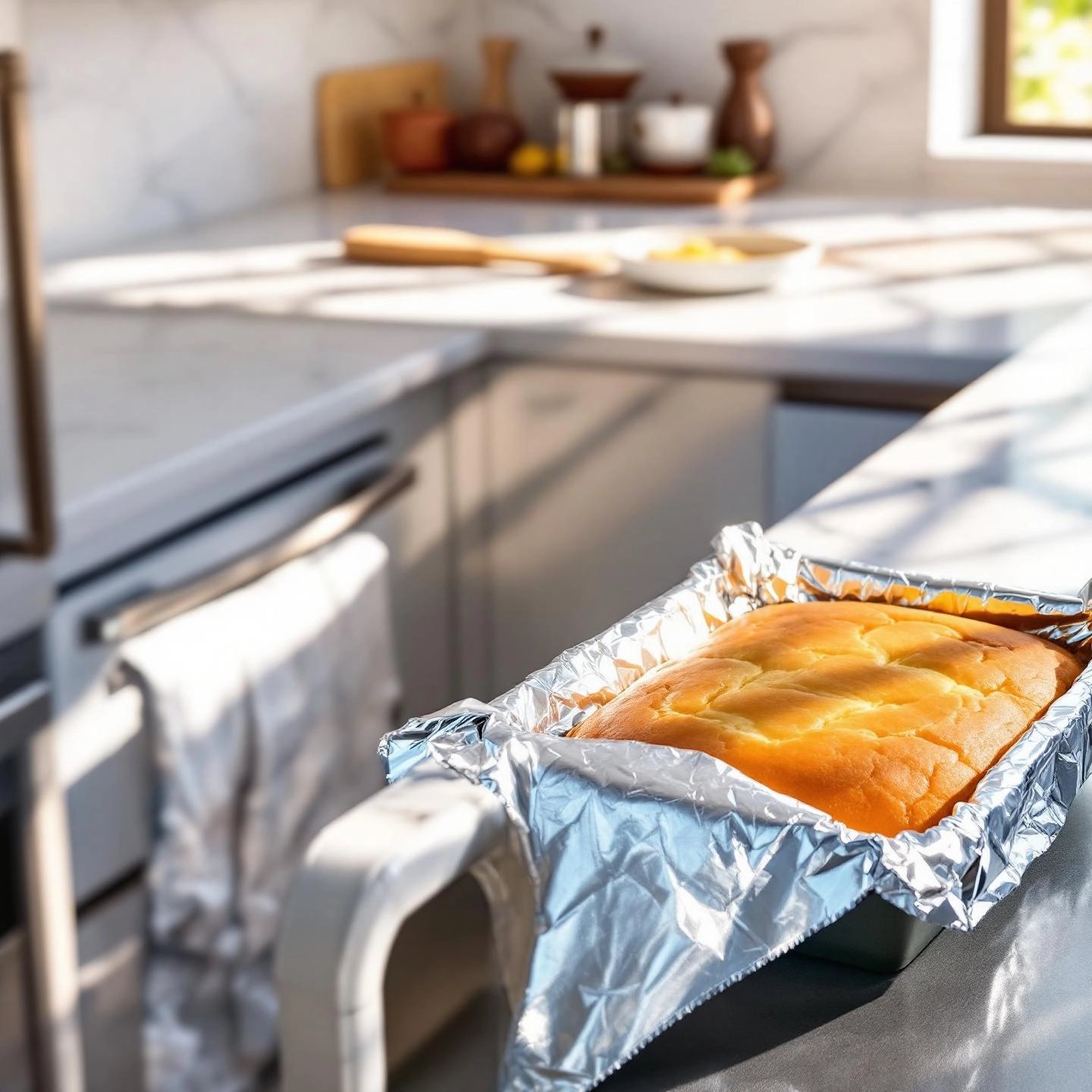
Credit: ar.shengxinaluminium.com
Tenting Techniques For Different Foods
Tenting with aluminum foil helps keep food moist and warm. It also protects food from drying out or burning.
Different foods need different tenting methods. This guide covers how to tent roasts, vegetables, and baked goods.
Tenting Roasts And Meats
Tenting roasts and meats traps heat and lets juices redistribute. This keeps meat tender and juicy after cooking.
- Place a sheet of foil loosely over the meat.
- Make a tent shape by lifting the center, avoiding contact with the meat.
- Seal edges gently around the pan to keep heat in.
- Let the meat rest under the tent for 10 to 20 minutes.
Tenting Vegetables
Vegetables can dry out quickly after cooking. Tenting keeps them warm and prevents moisture loss.
| Vegetable Type | Tenting Tip |
| Leafy Greens | Use a loose tent to avoid crushing leaves |
| Root Vegetables | Tight tent to retain steam and soften |
| Steamed Veggies | Cover tightly to keep heat and moisture |
Tenting Baked Goods
Baked goods like bread and cakes can get soggy if wrapped too tightly. Use foil tenting to protect texture.
- Use foil tenting to shield baked goods from direct heat.
- Keep the foil loose to allow air circulation and prevent sogginess.
- Remove the tent once the food cools slightly to keep crust crisp.
Common Mistakes To Avoid
Tenting aluminum foil is a simple way to cover food while cooking or resting. It helps keep moisture and heat in the right places.
Some mistakes can reduce the benefits of tenting. Avoid these errors to get the best results.
Foil Touching The Food
Letting the foil touch the food can cause sticking or tearing. It can also affect the texture of the food’s surface.
Keep the foil slightly raised above the food to create an air pocket. This helps protect the food and keeps it moist.
- Do not press foil directly onto soft or sticky foods
- Use a dome shape to keep foil above the food
- Check for gaps to avoid steam escaping
Sealing Too Tightly
Wrapping foil too tightly stops steam from escaping. This can make food soggy or cause uneven cooking.
Leave some space for air to move. This keeps food from becoming wet or overcooked.
- Do not wrap foil tightly around the dish
- Allow vents or gaps for steam to escape
- Check foil after cooking to release steam carefully
Using Foil In Microwaves
Aluminum foil can spark or catch fire in microwaves. It is unsafe to use foil inside most microwave ovens.
Use microwave-safe covers instead. Only use foil in the microwave if your appliance manual says it is safe.
- Do not place foil directly on microwave walls
- Avoid using foil with metal trims or patterns
- Check microwave manual before using foil
Credit: aladdinshoppers.com
Cleaning And Reusing Aluminum Foil
Aluminum foil is useful for cooking and storing food. You can clean and reuse it to reduce waste.
Reusing foil saves money and helps the environment. Learn how to clean it properly before reuse.
When To Dispose Of Foil
Throw away foil if it has holes or tears. Foil that is burnt or stuck with food should be discarded.
Do not reuse foil that touched raw meat or fish to avoid germs. Also, foil with heavy grease is best to throw out.
- Foil with holes or tears
- Burnt or blackened foil
- Foil stuck with baked-on food
- Foil that touched raw meat or fish
- Foil soaked with grease or oil
Tips For Reusing Foil Safely
Rinse foil with warm water after use. Use a soft cloth or sponge to remove food bits.
Dry foil completely before storing. Fold foil gently to avoid new tears.
- Rinse foil under warm water
- Use soft cloth or sponge to clean
- Dry foil fully before reuse
- Fold foil carefully to keep shape
- Use clean foil only for cold food storage

Credit: www.amazon.ca
Frequently Asked Questions
What Is The Purpose Of Tenting Aluminum Foil?
Tenting aluminum foil protects food from direct heat while cooking. It traps steam, keeping food moist and preventing over-browning or drying out during baking or roasting.
How Do You Tent Aluminum Foil Properly?
To tent aluminum foil, loosely cover the food with a foil sheet. Avoid tight wrapping to allow steam circulation and prevent sogginess, ensuring even cooking and moisture retention.
When Should You Tent Food With Aluminum Foil?
Tent food when roasting meats or baking dishes needing moisture. Use it during the last cooking stage to prevent overcooking or to keep food warm without drying.
Can Tenting Foil Affect Cooking Time?
Yes, tenting foil can slightly increase cooking time by trapping moisture. It slows surface browning, so monitor food to avoid undercooking or adjusting cooking duration as needed.
Conclusion
Tenting aluminum foil helps keep food moist and cooks evenly. It stops food from burning or drying out. You can tent foil over meat, vegetables, or baked dishes. Make sure to leave some space for air to flow. This simple step improves your cooking results every time.
Try it next time you cook for better, tastier meals. Cooking becomes easier and more enjoyable with this small tip. Give it a go and see the difference yourself.