
Have you ever wondered how to keep your chicken juicy and tender every time you cook? The secret might be simpler than you think.
Learning how to tent chicken with foil can transform your meals by locking in moisture and enhancing flavor. If you want perfectly cooked chicken that stays moist from the first bite to the last, this technique is a game-changer. Keep reading, and you’ll discover easy steps to master this simple trick that will elevate your cooking and impress everyone at your table.
Benefits Of Tenting Chicken
Tenting chicken with foil means covering it loosely with aluminum foil. This simple step helps keep the chicken moist and juicy.
Many cooks use this trick to make their chicken taste better. It also helps control how the chicken cooks.
Keeps The Chicken Moist
Tenting stops the chicken from drying out. The foil holds steam close to the meat. This steam keeps the chicken juicy.
Without tenting, heat can dry the chicken’s surface fast. The foil slows down this drying process.
Prevents Over-browning
Foil stops the chicken skin from getting too dark or burnt. It reflects heat away from the skin.
This helps the chicken cook evenly and look nice when served.
Helps Chicken Cook Evenly
The foil creates a small warm space around the chicken. This space makes heat move gently around the meat.
Even heat stops the outside from cooking faster than the inside. It gives you well-cooked chicken all the way through.
Keeps The Oven Clean
Tenting catches any juices that leak from the chicken. This helps prevent spills or splatters in the oven.
Cleaning your oven after cooking becomes easier with this simple step.
Essential Tools And Materials
Tenting chicken with foil helps keep it moist while cooking. You need a few simple tools and materials to do it right.
These items make the process easy and ensure your chicken cooks evenly without drying out.
Aluminum Foil
Aluminum foil is the main material for tenting chicken. It traps heat and moisture around the meat.
Use heavy-duty foil for best results. It holds shape better and does not tear easily.
Roasting Pan Or Baking Sheet
A roasting pan or baking sheet holds the chicken while cooking. It catches drips and keeps your oven clean.
Choose one with low sides to allow proper air circulation under the foil tent.
Kitchen Tongs
Kitchen tongs help you handle hot chicken safely. Use them to lift or adjust the foil tent without burning your hands.
Tongs also help when checking the chicken’s doneness or flipping it during cooking.
Meat Thermometer
A meat thermometer checks the chicken’s internal temperature. It ensures the chicken is fully cooked and safe to eat.
Insert it into the thickest part of the chicken without touching bone for an accurate reading.
Oven Mitts Or Heat-resistant Gloves
Oven mitts protect your hands from burns when handling hot pans and foil. Use them every time you open the oven.
Heat-resistant gloves offer better grip and safety for moving heavy or hot items.
Preparing The Chicken
Tenting chicken with foil helps keep it moist and tender. Proper preparation ensures even cooking and great taste.
Start with fresh or thawed chicken. Clean and season it well before covering with foil.
Clean The Chicken
Remove any leftover feathers and giblets from the chicken cavity. Rinse the chicken under cold water and pat dry with paper towels.
Trim Excess Fat And Skin
Trim off extra fat and loose skin. This helps the chicken cook evenly and reduces flare-ups if grilling.
Season The Chicken
Rub the chicken with your choice of spices and herbs. Add salt and pepper for basic seasoning.
- Use garlic powder or minced garlic
- Add paprika for color and flavor
- Include dried herbs like thyme or rosemary
- Drizzle olive oil to keep the skin moist
Prepare The Foil Tent
Cut a large piece of heavy-duty aluminum foil. Make it big enough to cover the chicken without touching the skin.
Shape the foil like a tent over the chicken. This traps steam and keeps the meat juicy while preventing the skin from getting soggy.
Choosing The Right Foil
Tenting chicken with foil helps keep it juicy and tender. Choosing the right foil is key for good cooking results.
Not all foil types work well for tenting. You need foil that holds shape but does not stick to food.
Heavy-duty Vs. Standard Foil
Heavy-duty foil is thicker and stronger than standard foil. It holds its shape better and resists tearing.
Standard foil is thinner and may tear easily. Use heavy-duty foil to create a stable tent over chicken.
- Heavy-duty foil is about 2 mil thick or more
- Standard foil is thinner and less durable
- Heavy-duty foil keeps heat and moisture better
Non-stick Foil Options
Non-stick foil has a special coating that stops food from sticking. This prevents tearing when removing foil.
If you use regular foil, spray it lightly with cooking spray to avoid sticking. Non-stick foil saves this step.
- Non-stick foil reduces cleanup time
- Good for delicate chicken skin
- May cost a bit more than regular foil
Aluminum Foil Width And Size
Choose foil wide enough to cover the whole chicken. It should wrap around without tearing or folding too much.
Use larger sheets for bigger chickens. This helps create a nice air pocket under the tent.
- Wide foil sheets reduce the number of seams
- Fewer seams mean less chance of steam escaping
- Cut foil to size to avoid waste
Recycled Vs. New Foil
New foil is smoother and easier to shape. Recycled foil may be thinner and tear more easily.
Use new foil for best results when tenting chicken. It forms a better seal and holds moisture well.
Tenting Techniques
Tenting chicken with foil helps keep it moist while cooking. It protects the meat from direct heat and traps steam.
Using the right tenting technique ensures even cooking and prevents burning. It is a simple way to improve your roast.
Creating A Proper Tent
Start with a large piece of foil that covers the whole chicken. Make sure the foil is loose enough to allow air flow.
Fold the foil over the chicken like a roof. Do not wrap it tightly or the steam will not escape.
- Use heavy-duty foil for better heat resistance
- Leave some space between the foil and chicken
- Shape the foil like a tent, not a wrap
Ensuring Stability
Secure the foil tent so it stays in place during cooking. This keeps the chicken covered without collapsing.
Use small foil folds or tucks at the edges to hold the tent steady. Avoid pressing the foil too tightly.
- Tuck foil ends under the pan edges
- Pinch foil gently to keep shape
- Check tent stability before placing in oven
:max_bytes(150000):strip_icc()/2025081220250722-SEA-HerbedDrumsticks-LarisaNiedle-STEP3-e24d0d9a817044fcbcb258e29071edef.jpg)
Credit: www.seriouseats.com
Cooking Time And Temperature
Tenting chicken with foil helps keep it moist while cooking. It also prevents the skin from burning.
Knowing the right cooking time and temperature is key for juicy chicken. This guide will explain what to use.
Ideal Oven Temperature
Set your oven temperature between 350°F and 375°F (175°C to 190°C). This range cooks chicken evenly.
Too high heat can burn the skin under the foil. Too low heat can make cooking longer and uneven.
Typical Cooking Time
Cooking time depends on chicken size and oven temperature. For a whole chicken, it takes about 20 minutes per pound.
Tent the chicken with foil during the entire cooking time to keep moisture in. Remove foil near the end if you want crisp skin.
- 4-pound chicken: about 1 hour 20 minutes
- 5-pound chicken: about 1 hour 40 minutes
- 6-pound chicken: about 2 hours
Checking Doneness
Use a meat thermometer to check if the chicken is done. The internal temperature should reach 165°F (74°C).
Insert the thermometer into the thickest part of the thigh without touching bone. This ensures safe and juicy chicken.
Maintaining Juiciness
Tenting chicken with foil helps keep it juicy after cooking. The foil traps heat and moisture around the meat.
This simple step prevents the chicken from drying out. It makes your meal more tender and tasty.
Resting The Chicken
Resting allows juices to settle inside the chicken. Wrap the chicken loosely with foil for 10 to 15 minutes.
This resting time helps the meat stay moist and flavorful when you cut it. Avoid removing the foil too soon.
Preventing Moisture Loss
Tent the chicken tightly but not too close to the skin. This keeps steam from escaping while avoiding sogginess.
Use heavy-duty foil for better heat retention. Make sure to cover the entire chicken evenly to lock in moisture.
- Leave some space between foil and chicken
- Use foil that is thick and strong
- Seal edges gently to trap steam
- Do not press foil directly on the skin
Common Mistakes To Avoid
Tenting chicken with foil helps keep it moist while cooking. Doing it wrong can dry out the meat or ruin the texture.
Learn what to avoid to get the best results when tenting chicken with foil. Small errors can change your meal.
Using Too Tight Foil Wrap
Wrapping foil too tightly stops air circulation. This causes chicken skin to lose its crispiness.
Leave space for steam to escape. A loose tent lets heat circulate and keeps skin crispy.
Leaving The Foil On Too Long
Keeping foil on after cooking traps heat and moisture. This can make the skin soggy and the meat overcooked.
Remove foil in the last few minutes of cooking. This helps brown the chicken and keep it juicy.
Not Using Foil At The Right Time
Foil should be added during roasting or resting, not before cooking starts. Early use can stop browning.
Use foil to cover chicken after initial cooking or while resting to keep moisture without losing texture.
Using Foil That Touches The Skin
Foil touching chicken skin can cause the skin to steam, not roast. This leads to soft, rubbery skin.
Make a tent shape so foil does not touch the chicken. This keeps skin crisp and meat moist.
Ignoring Proper Ventilation
Sealing foil completely traps too much steam. This makes the chicken wet and soggy.
Leave a small opening in the foil tent. Let steam escape while keeping moisture in.
Enhancing Flavor With Marinades
Tenting chicken with foil helps keep it juicy and tender. Adding marinades before cooking makes the flavor better.
Marinades soak into the chicken and add taste. They also help the foil trap moisture and flavor inside.
Choose The Right Marinade Ingredients
Pick simple ingredients that add taste and soften the meat. Acidic items like lemon juice or vinegar work well.
Use oil to keep the chicken moist. Add herbs and spices for extra flavor.
- Lemon juice or vinegar for tang
- Olive oil or vegetable oil for moisture
- Garlic, rosemary, or thyme for aroma
- Salt and pepper for basic taste
Marinate Chicken Before Cooking
Put the chicken in the marinade and let it sit for at least 30 minutes. Longer marinating adds more flavor.
Keep the chicken covered in the fridge while marinating. This helps the flavors soak in well.
Tent Chicken With Foil After Marinating
After marinating, place the chicken on a baking tray. Cover it loosely with foil to create a tent shape.
The foil tent traps steam and keeps the chicken juicy. It also helps the marinade flavors stay inside.
Add Marinade During Cooking For More Flavor
Brush some marinade on the chicken while cooking. This adds layers of flavor and keeps the chicken moist.
Be careful not to add marinade too late. Add it a few times during cooking for best results.

Credit: www.youtube.com
Serving And Presentation Tips
Tenting chicken with foil helps keep it juicy and warm. Serving it right makes your meal look inviting.
Good presentation makes food more enjoyable. Follow these tips to serve your foil-tented chicken well.
Let The Chicken Rest Before Serving
Keep the chicken tented for 5 to 10 minutes after cooking. This lets the juices settle inside the meat.
Resting makes the chicken moist and tender. Cutting it too soon can cause dry meat.
Use A Clean Platter For Serving
Place the chicken on a clean, large platter. This gives space for slicing and serving.
Wipe any drips or spills before placing the chicken. A tidy plate looks more appetizing.
Add Fresh Garnishes
Garnish the chicken with fresh herbs like parsley or rosemary. They add color and scent.
Other good options are lemon slices or thinly sliced vegetables. They brighten the plate.
- Chopped parsley or cilantro
- Sprigs of rosemary or thyme
- Lemon or lime wedges
- Thin carrot or cucumber slices
Serve With Complementary Side Dishes
Choose side dishes that match the chicken’s flavor. This creates a balanced meal.
Good sides include roasted vegetables, mashed potatoes, or fresh salad. These add texture and taste.
- Roasted carrots or green beans
- Garlic mashed potatoes
- Mixed green salad with vinaigrette
- Steamed rice or quinoa
Slice And Serve Neatly
Use a sharp knife to slice the chicken cleanly. Cut against the grain for tender pieces.
Arrange slices in a fan shape or stack them neatly on the platter. This looks appealing and easy to serve.
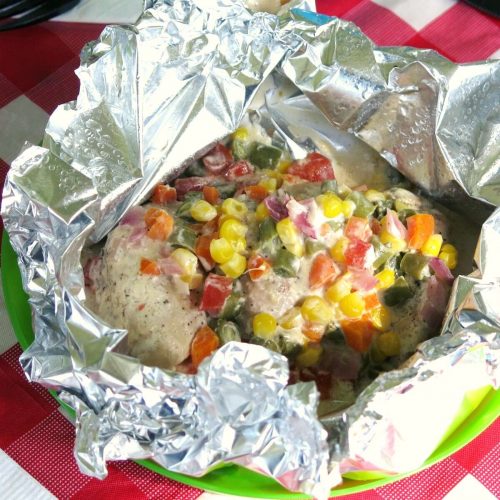
Credit: www.dinner-mom.com
Frequently Asked Questions
What Does It Mean To Tent Chicken With Foil?
Tenting chicken with foil means loosely covering it with aluminum foil. This protects the meat while allowing heat to circulate evenly. It helps retain moisture and prevents the skin from burning during cooking or resting.
Why Should I Tent Chicken With Foil After Roasting?
Tenting chicken after roasting traps steam, keeping the meat juicy and tender. It also helps the juices redistribute evenly, improving flavor and texture. This step ensures a moist, delicious chicken every time.
How Do I Properly Tent Chicken With Foil?
To tent chicken, tear a sheet of foil larger than the bird. Loosely drape it over the chicken without touching the skin. Avoid wrapping tightly to allow steam to circulate and prevent sogginess.
Can Tenting Chicken With Foil Affect Cooking Time?
Tenting chicken usually does not significantly affect cooking time. It is mostly used after cooking to rest the meat. However, if tented during cooking, it may slightly slow browning or crisping of the skin.
Conclusion
Tenting chicken with foil keeps it juicy and tender. It helps the heat spread evenly while cooking. This simple step prevents the chicken from drying out. You can enjoy moist, flavorful meat every time. Just wrap the chicken loosely with foil after cooking.
Let it rest for a few minutes. This small trick makes a big difference in taste. Try it next time you cook chicken. You will see how much better it turns out. Easy, quick, and effective.