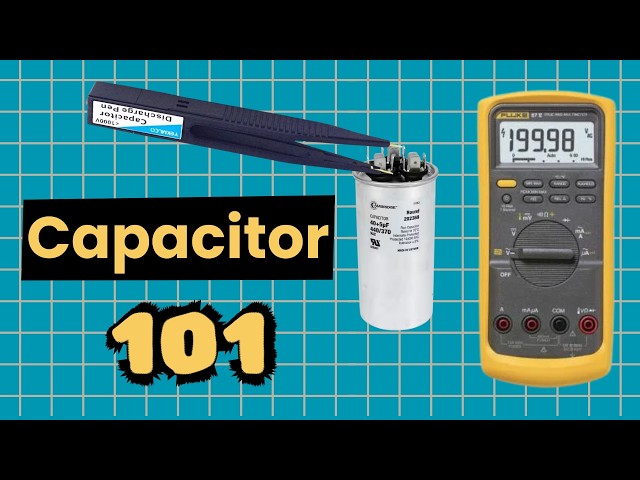
Is your air conditioner acting up or not starting at all? The problem might be a faulty capacitor, a small but crucial part that helps your AC run smoothly.
Testing this component yourself can save you time and money. In this guide, you’ll learn exactly how to test an air conditioner capacitor using a multimeter—no fancy tools or expert knowledge needed. By the end, you’ll know how to spot the problem and decide if it’s time to fix or replace your capacitor.
Ready to take control of your AC’s health? Let’s dive in!

Credit: reversepcb.com
Signs Of A Faulty Capacitor
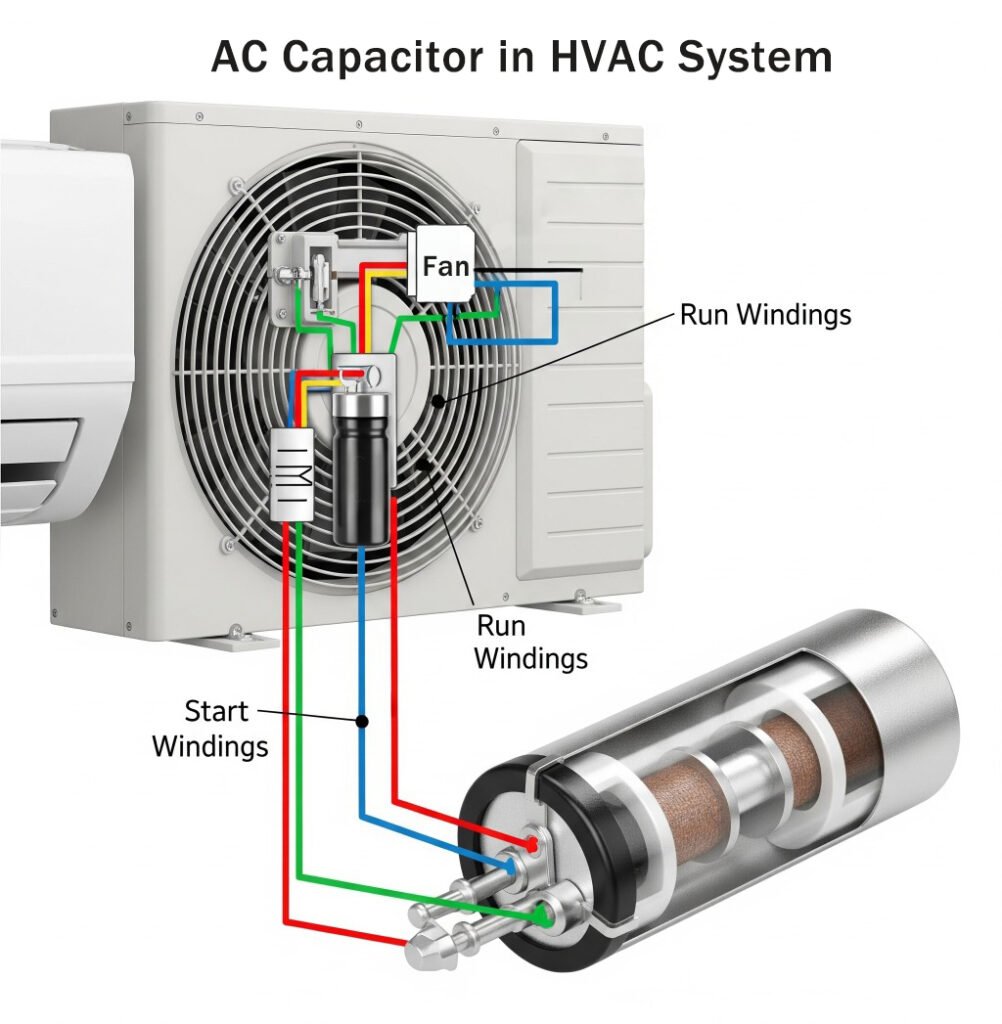
A capacitor in an air conditioner helps start the motor and keep it running. If the capacitor is bad, the AC may not work well or stop working.
Testing the capacitor with a multimeter can show if it is working or needs replacement. Look for signs that point to a faulty capacitor.
Common Symptoms
A bad capacitor causes several clear problems in the AC unit. Watch for these common symptoms to spot issues early.
- The AC takes longer to start or does not start at all.
- Unusual humming or buzzing sounds from the outdoor unit.
- The fan motor runs slower than normal or stops suddenly.
- The AC blows warm air instead of cold air.
- Repeated tripping of the circuit breaker.
- Visible bulges or leaks on the capacitor casing.
Impact On Ac Performance
A faulty capacitor reduces the efficiency of the air conditioner. It forces the motor to work harder and may cause damage.
Problems caused by a bad capacitor affect the AC’s ability to cool your home properly and increase energy use.
- Longer cooling cycles that waste electricity.
- Frequent stops and starts that wear out the motor.
- Reduced airflow due to weak fan operation.
- Higher repair costs from damaged components.
Tools Needed For Testing
Testing an air conditioner capacitor needs the right tools. Using proper equipment helps you get accurate results.
A multimeter is the main tool for testing capacitors. You will also need some safety gear to protect yourself.
Multimeter Types
There are different types of multimeters. Choose one that can measure capacitance or resistance for best results.
- Analog multimeters show results with a needle on a dial.
- Digital multimeters have a screen with numbers.
- Some digital models can test capacitance directly.
- Basic multimeters measure voltage, current, and resistance.
For testing capacitors, a digital multimeter with a capacitance setting is best. You can still use other types but may need extra steps.
Safety Gear
Safety gear keeps you safe while working with electrical parts. Capacitors store electric charge that can be harmful.
- Wear insulated gloves to avoid shocks.
- Use safety goggles to protect your eyes.
- Turn off power to the air conditioner before testing.
- Discharge the capacitor before touching it.
Always follow safety rules to prevent accidents. Use tools and gear properly to test your air conditioner capacitor safely.
Preparing The Air Conditioner
Testing an air conditioner capacitor requires safety and careful preparation. Before you start, you must prepare the air conditioner properly.
This preparation helps protect you from electric shock and makes the capacitor easier to access.
Power Shutdown
Always turn off the power to the air conditioner before testing the capacitor. This step is critical for your safety.
- Locate the main electrical panel or circuit breaker box.
- Find the breaker switch that controls the air conditioner.
- Switch the breaker to the off position to cut power.
- Double-check that the air conditioner is not running.
- Use a voltage tester to confirm no electricity flows to the unit.
Accessing The Capacitor
After shutting down the power, you need to open the air conditioner’s access panel to reach the capacitor. This allows you to test it with your multimeter.
| Tool | Purpose |
|---|---|
| Screwdriver | Remove screws from the access panel |
| Flashlight | See clearly inside the unit |
| Multimeter | Test the capacitor’s electrical value |
Testing The Capacitor
Testing an air conditioner capacitor helps find out if it works well. A faulty capacitor can stop the AC from running properly.
Using a multimeter is a simple way to check the capacitor’s health. This guide shows how to test it safely and correctly.
Discharging The Capacitor
Before testing, the capacitor must be fully discharged. It stores electrical energy that can shock you if not handled properly.
Use a screwdriver with an insulated handle. Touch the metal part to both terminals of the capacitor to release the charge.
- Wear safety gloves and glasses
- Hold the screwdriver by its insulated handle
- Connect metal part to both capacitor terminals
- Wait a few seconds to ensure discharge
Setting The Multimeter
Turn on the multimeter and set it to measure capacitance. This setting usually has a symbol like “—|(—” or “CAP.”
If your multimeter does not have a capacitance mode, set it to resistance (ohms) mode. This can still help test the capacitor.
- Turn dial to capacitance mode if available
- Use resistance mode if no capacitance mode
- Check the battery of the multimeter
- Connect the test leads to the correct ports
Measuring Capacitance
Connect the multimeter leads to the capacitor terminals. Polarity matters if the capacitor is polarized.
Read the value shown on the multimeter. Compare it to the capacitor’s rated value printed on its body.
- Touch red lead to positive terminal
- Touch black lead to negative terminal
- Wait for the reading to stabilize
- Check if the reading matches the capacitor rating
Interpreting Test Results
Testing an air conditioner capacitor with a multimeter shows if it works well. The results tell if the capacitor is normal or faulty.
Knowing how to read these results helps you decide if the capacitor needs fixing or replacing.
Normal Vs. Faulty Readings
A normal capacitor gives a steady reading close to its rated value on the multimeter. It shows the capacitor stores and releases electric charge properly.
A faulty capacitor shows very low or no reading. It may also show a reading that changes quickly or is far from the rated value. This means the capacitor is weak or broken.
- Normal reading:Near the capacitor’s microfarad (µF) rating
- Faulty reading:Zero, very low, or no stable reading
- Leakage or short:Multimeter shows a constant low resistance
When To Replace
Replace the capacitor if the multimeter shows faulty readings. A bad capacitor can stop the air conditioner from working well.
Also replace if the capacitor is swollen, leaking, or damaged physically. These signs mean the capacitor cannot work safely.
- Capacitor reading is far from the rated value
- Capacitor shows no or unstable reading
- Visible damage like bulging or leakage
- Air conditioner does not start or runs poorly

Credit: www.youtube.com
Replacing The Capacitor
Replacing a faulty air conditioner capacitor is important for the unit’s proper function. A bad capacitor can stop the compressor or fan from working.
Using a multimeter helps test the capacitor before replacement. Once confirmed, you can safely replace it to restore your AC.
Choosing The Right Replacement
Pick a capacitor that matches the original in size, voltage, and microfarads (µF). Using the wrong part can cause damage.
Check the label on the old capacitor for these details. If it is missing, look in the AC’s manual or online.
- Voltage rating must be equal or higher
- Microfarads (µF) must match exactly
- Physical size should fit the space
- Use dual capacitors if the old one was dual
Installation Tips
Turn off power to the AC unit before starting. This prevents electrical shock or damage.
Discharge the old capacitor by using a screwdriver with an insulated handle. Touch the terminals carefully.
- Note the wire connections or take a photo
- Remove wires gently, do not pull the wires
- Install the new capacitor in the same position
- Reconnect wires to the correct terminals
- Secure the capacitor with its bracket or strap
- Restore power and test the AC unit
Preventive Maintenance Tips
Testing your air conditioner capacitor with a multimeter helps keep your system running well. Regular checks prevent sudden failures and costly repairs.
Preventive maintenance saves money and extends the life of your air conditioner parts. Learning simple steps keeps your system safe and efficient.
Regular Inspections
Check the capacitor for signs of damage or wear every few months. Look for bulges, cracks, or leaking fluid on the capacitor body.
Use a multimeter to test the capacitor’s capacitance and voltage regularly. This helps catch weak or failing capacitors early.
- Turn off power to the air conditioner before inspection
- Discharge the capacitor to avoid electric shock
- Set the multimeter to the correct capacitance setting
- Compare readings to the capacitor’s rating label
- Replace if readings are far off or unstable
Extending Capacitor Life
Keep the air conditioner clean and dry to help the capacitor last longer. Dirt and moisture cause damage over time.
Avoid frequent power surges by using a surge protector. Power spikes can shorten the capacitor’s life quickly.
- Clean debris from around the air conditioner unit
- Ensure proper ventilation and airflow
- Use surge protectors or voltage stabilizers
- Schedule professional maintenance yearly
- Replace capacitors at signs of wear or after 5-7 years
Credit: reversepcb.com
Frequently Asked Questions
How Do I Test An Ac Capacitor With A Multimeter?
To test an AC capacitor, first disconnect power. Set the multimeter to capacitance mode. Connect the leads to capacitor terminals. Compare the reading with the capacitor’s rated value. If it’s significantly lower or shows no reading, the capacitor is faulty.
What Multimeter Setting Is Used To Test Capacitors?
Use the capacitance setting on your multimeter to test capacitors. If your multimeter lacks this, use the resistance setting to check for infinite resistance. Capacitance mode gives precise results and is the best choice for accurate testing of an AC capacitor.
How Do I Know If The Capacitor Is Bad?
A bad capacitor shows a capacitance value far below its rated microfarads. It may also show an open circuit or short circuit on resistance mode. If the multimeter reading is zero or infinite, the capacitor likely needs replacement.
Can I Test The Ac Capacitor Without Removing It?
It’s best to discharge and remove the capacitor before testing. Testing it in-circuit can give inaccurate readings due to parallel components. Always ensure the capacitor is fully discharged to avoid electrical shocks during testing.
Conclusion
Testing an air conditioner capacitor with a multimeter is simple and safe. Always turn off the power before starting. Check the readings carefully to spot any problems. A good capacitor helps your AC run smoothly and saves energy. Regular checks can prevent costly repairs later.
Now, you can keep your AC in top shape yourself. Give it a try and stay cool all summer.