
When the summer heat hits, your air conditioner becomes your best friend. But what happens when it suddenly stops working?
Before you panic or call an expensive repair service, there’s a simple solution you might not have considered: testing your air conditioner fuses. This quick and easy check can save you time, money, and sweat. You don’t need to be an expert or have a toolbox full of tools.
With just a few simple steps, you can ensure your AC is running smoothly and keep your home cool and comfortable. Are you ready to dive into this simple yet effective method to troubleshoot your air conditioner? Let’s get started and make sure your summer is nothing but a breeze.
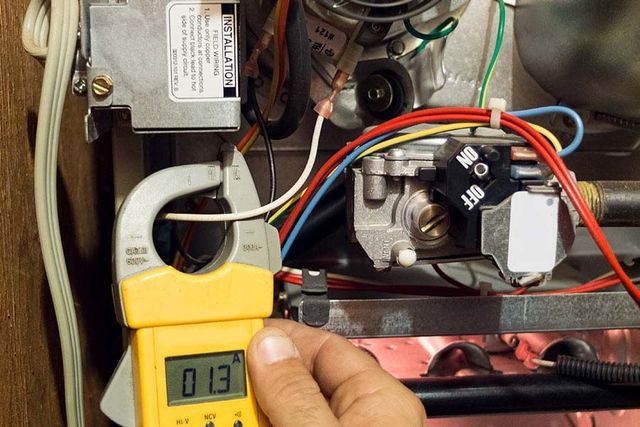
Credit: www.batesairandheat.com
Signs Of A Blown Fuse
Air conditioners rely on fuses to protect electrical parts. A blown fuse stops the unit from working. Knowing the signs helps you fix the problem fast.
Testing the fuse is simple but needs care. Look for clear symptoms to decide if the fuse is the cause.
Common Symptoms
When a fuse blows, the air conditioner may show these signs. Watch for any of these problems:
- The unit does not turn on at all.
- There is no sound or movement from the compressor.
- The fan stops running or runs slower than usual.
- Power cuts off suddenly while the AC is running.
- Burnt smell near the fuse box or fuse holder.
- Visible damage or discoloration on the fuse itself.
Safety Precautions
Always follow safety steps before testing the fuse. Electricity can be dangerous. Use these rules to protect yourself and your equipment.
| Safety Step | Description |
| Turn Off Power | Switch off the main power supply to the AC unit. |
| Wear Gloves | Use insulated gloves to avoid electric shock. |
| Use Proper Tools | Test fuses with a multimeter or fuse tester only. |
| Check Fuse Holder | Inspect the fuse holder for damage before replacing fuse. |
| Replace with Correct Fuse | Use the same type and rating of fuse as original. |
| Do Not Force | If unsure, call a professional electrician. |
Tools Needed For Testing
Testing air conditioner fuses requires a few simple tools. These tools help check if the fuse is working or needs replacement.
Knowing the right tools makes the process faster and safer. You can find most tools in a basic tool kit or electronics kit.
Multimeter Basics
A multimeter measures electrical values like voltage, current, and resistance. It is the main tool for testing fuses.
Set the multimeter to the continuity or resistance mode. This setting tells if the fuse allows electricity to pass through.
- Use probes to touch both ends of the fuse.
- A beep or low resistance shows a good fuse.
- No beep or high resistance means the fuse is bad.
- Always test the multimeter on a known source first.
Other Useful Tools
Besides the multimeter, some tools help make testing easier and safer. These tools support handling and checking fuses.
- Fuse Puller:A small tool to safely remove fuses from tight spaces.
- Insulated Screwdriver:Helps open fuse boxes without risk of electric shock.
- Protective Gloves:Protect your hands from sharp edges and electricity.
- Flashlight:Improves visibility in dark or cramped areas.
Locating Ac Fuses
Testing air conditioner fuses starts with finding where the fuses are. These fuses protect your AC unit from electrical damage.
Knowing the fuse location helps you check and replace them safely if needed.
Fuse Box Locations
Fuses for your air conditioner are usually inside a fuse box. This box holds fuses and circuit breakers for your home.
The fuse box can be in different places depending on your house and AC setup.
- Near your electrical panel or main breaker box
- Close to the outdoor AC unit in a weatherproof box
- Inside the air handler or furnace unit inside your home
- In a utility closet or basement where the HVAC system is located
Identifying The Correct Fuse
Finding the right fuse means checking labels and fuse sizes. Each fuse protects a part of the AC system.
Look for the fuse marked for the air conditioner or HVAC system in the fuse box.
- Check the label inside the fuse box door or on the panel cover
- Match the fuse size and type to the AC unit’s specifications
- Use a multimeter to test if the fuse is good or blown
- Do not replace fuses with different sizes or ratings
Step-by-step Testing Process
Testing the fuses in your air conditioner helps find electrical issues fast. This guide shows how to test fuses safely and clearly.
Follow each step carefully to check if the fuse is working or needs replacement.
Preparing The Unit
Always start by turning off the air conditioner and unplugging it. This stops electricity flow and keeps you safe. Remove the access panel to find the fuse box.
- Turn off the unit and unplug it.
- Wait a few minutes for the unit to cool down.
- Remove the panel covering the fuse box.
- Locate the fuse inside the fuse holder.
Testing With A Multimeter
Use a digital multimeter set to the continuity or resistance mode to test the fuse. Touch the meter probes to each end of the fuse.
- Set your multimeter to continuity or ohms mode.
- Touch one probe to each metal end of the fuse.
- Look at the multimeter reading.
- Note if the meter beeps or shows zero resistance.
Interpreting Results
The multimeter reading tells you if the fuse is good or blown. Use the chart below to understand the results quickly.
| Multimeter Reading | Meaning |
| Beep or near zero ohms | Fuse is good and conducting electricity |
| No beep or infinite resistance | Fuse is blown and needs replacement |
Replacing A Blown Fuse
Air conditioner fuses protect the unit from electrical damage. A blown fuse stops the AC from working.
Replacing a blown fuse is simple if you follow the right steps. It keeps your AC safe and running well.
Choosing The Right Fuse
Pick a fuse that matches the AC’s specifications. Using the wrong fuse can cause damage or fire risk.
Check the AC manual or the old fuse for the correct size and rating. Look for voltage and amperage numbers.
- Use the same amperage rating as the original fuse
- Match the voltage rating to your AC unit
- Choose the correct fuse type (slow-blow or fast-blow)
- Buy from a reliable source to ensure quality
Safe Replacement Tips
Always turn off the power before replacing the fuse. This prevents electric shock and injury.
Use insulated tools and wear safety gloves. Handle fuses carefully to avoid damage.
- Switch off the main power supply
- Remove the fuse holder cover carefully
- Take out the blown fuse without touching metal parts
- Insert the new fuse firmly in place
- Close the fuse holder cover securely
- Turn the power back on and test the AC

Credit: northnjhvac.com
Preventing Fuse Issues
Air conditioner fuses protect the system from electrical damage. Testing and preventing fuse problems keeps your AC working well.
Regular care can stop fuse issues before they cause bigger problems. Simple checks help avoid costly repairs.
Regular Maintenance
Clean your air conditioner often to keep it running smoothly. Dirt and dust can cause extra strain on electrical parts.
Replace filters and clear vents to improve airflow. Good airflow reduces stress on fuses and other components.
- Change filters every 1-3 months
- Remove debris from vents and coils
- Check for signs of wear or damage
- Keep the area around the unit clean
Electrical System Checks
Inspect electrical connections regularly. Loose or damaged wires can cause fuses to blow.
Use a multimeter to test fuse continuity. This helps find weak or broken fuses before they fail completely.
- Turn off power before checking fuses
- Look for discoloration or burn marks on fuses
- Tighten any loose connections
- Replace fuses with the correct type and rating

Credit: evergreencomfort.com
Frequently Asked Questions
How Do I Know If My Ac Fuse Is Blown?
Check the AC fuse for visible signs of damage like a broken wire or burn marks. Use a multimeter to test continuity. No continuity means the fuse is blown and needs replacement.
What Tools Do I Need To Test Ac Fuses?
You need a multimeter or continuity tester, screwdriver, and safety gloves. These tools help safely access and test the fuse for electrical continuity.
Can I Test Ac Fuses Without Removing Them?
No, it’s best to remove the fuse first for accurate testing. Testing while installed can give false readings and risk electrical shock.
How Often Should Ac Fuses Be Checked?
Check AC fuses during regular maintenance or if the unit stops working. Routine checks prevent unexpected fuse failures and keep your AC running smoothly.
Conclusion
Testing air conditioner fuses helps keep your unit working well. It protects your system from damage and saves money on repairs. Use a multimeter to check the fuse’s condition carefully. Always turn off power before starting any tests. Regular checks can find problems early and avoid big issues.
Knowing how to test fuses makes you more confident in fixing your AC. Stay safe and follow the steps for best results. Simple actions can keep your air conditioner cool and reliable.