Is your air conditioner not working like it used to? You might be dealing with a faulty capacitor, a small part that plays a big role in keeping your AC running smoothly.
Knowing how to test an air conditioner capacitor can save you time and money by helping you spot the problem early. In this guide, you’ll learn simple, step-by-step methods to check your capacitor safely and effectively. Keep reading—you’re just minutes away from understanding a key fix that could bring your cool comfort back faster than you think.

Credit: www.youtube.com
Tools Needed
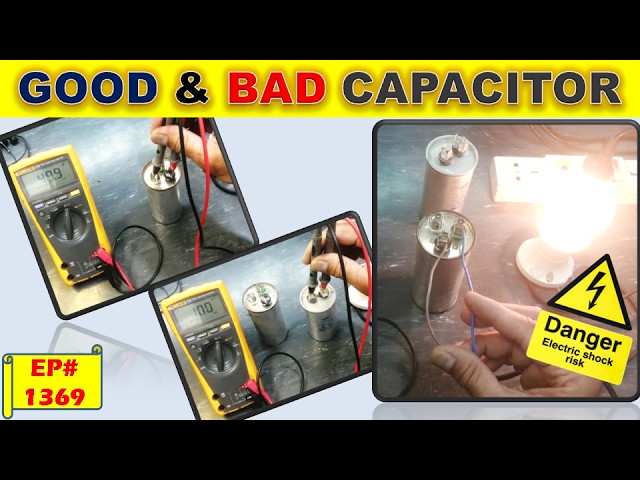
A multimeterhelps check if the capacitor works well. It measures voltage, current, and resistance. Set the multimeter to the capacitancemode or the highest resistance mode. Touch the multimeter leads to the capacitor terminals carefully. Watch the reading; a good capacitor shows a steady reading. A very low or zero reading means the capacitor is bad.
- Safety glassesprotect your eyes from sparks.
- Wear insulated glovesto avoid electric shocks.
- Turn off the air conditioner and unplug it before testing.
- Discharge the capacitor fully to prevent shocks.
Locating The Capacitor
To access the air conditioner capacitor, first turn off the power. This is very important for safety. Find the service panel on the outside unit. Remove screws or clips holding the panel. Gently take off the panel to see inside. The capacitor is usually near the fan motor or compressor. It looks like a small metal can or cylinder.
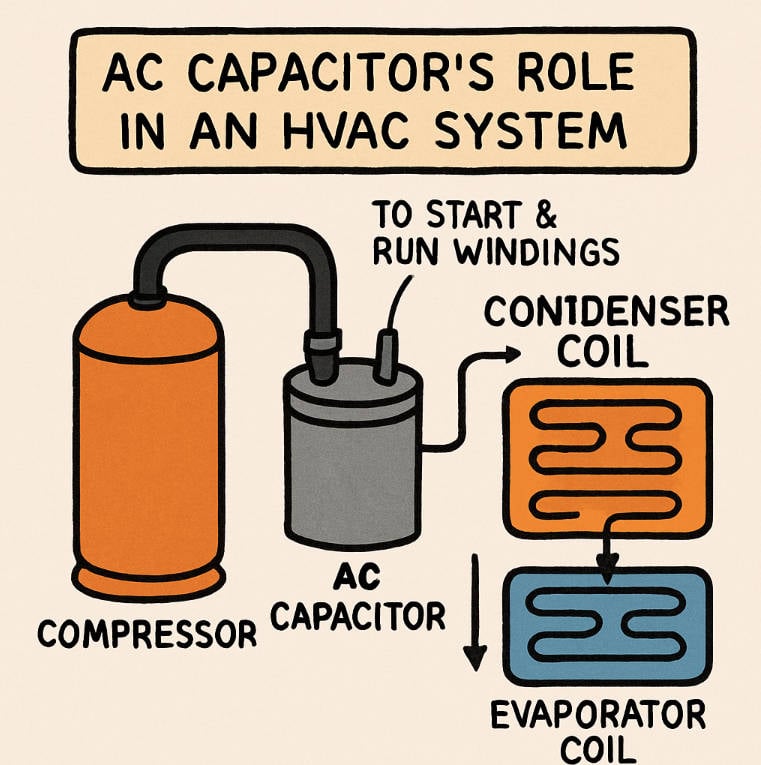
The capacitor has wires connected to it and may have labels like “Run” or “Start.” It often has three terminals on top. These terminals are where the wires attach. The capacitor stores electrical energy to help the motor start and run smoothly. Look for a label on the capacitor that shows its microfarad (µF) rating and voltage. This information helps during testing or replacement.
Preparing For Testing
Before testing the air conditioner capacitor, turn off the powerto the unit. This is very important for your safety. Locate the main power switch or breaker and switch it off. Confirm that no electricity flows to the AC unit by using a voltage tester.
Capacitors can hold electric charge even when power is off. To avoid shocks, discharge the capacitor carefully. Use an insulated screwdriver to connect the capacitor terminals. Hold it for a few seconds to release stored energy. Wear safety gloves and glasses to protect yourself. Never touch the terminals directly with your hands.
Testing With A Multimeter
Set the multimeter to the capacitance mode. Look for a symbol like “μF”on the dial. Make sure the air conditioner capacitor is dischargedbefore testing. This prevents damage and ensures safety. Disconnect the capacitor from the unit to get an accurate reading.
Touch the multimeter probes to the capacitor terminals. The meter will show the capacitance value. Compare this number to the capacitor’s rating label. The unit will usually list a range, like 20-25 μF.
| Capacitance Reading | Meaning |
|---|---|
| Within rated range | Capacitor is likely good |
| Significantly lower | Capacitor is weak or failing |
| No reading or zero | Capacitor is bad or open |
| Infinite or very high | Capacitor is shorted |
Common Capacitor Issues
Signs of failurein an air conditioner capacitor include a humming soundfrom the unit. The AC may take longer to start or not start at all. Look for a bulging or leakingcapacitor shell. Sometimes, the AC trips the circuit breaker frequently. Another sign is the fan not spinning properly or at all. A capacitor with burn marksor rust is faulty. These signs mean the capacitor is weak or broken.
When to replacethe capacitor depends on these signs. If the AC struggles to start or the fan stops, replacement is needed. A bulging or leaking capacitor must be replaced immediately. Frequent breaker trips also call for a new capacitor. Capacitors usually last around 10 years, but damage can shorten this. Always replace a capacitor with the exact same type and rating. This keeps the AC working safely and well.
Credit: www.bettlink.com
Replacing The Capacitor
Choose a capacitor with the same microfarad (µF) ratingas the old one. Check the voltage ratingtoo; it must match or be higher. Avoid using a capacitor with a lower voltage rating. Confirm the shape and size fit your air conditioner unit. Match the terminals type for easy connection. A wrong capacitor can cause damageor poor performance.
Before installing, turn off powerto avoid shock. Discharge the old capacitor by touching terminals with an insulated screwdriver. Remove wires carefully, noting their positions for reinstallation. Attach new capacitor wires to the correct terminals firmly. Secure the capacitor in place to prevent movement or vibration. Double-check all connections before restoring power.
Final Checks
Carefully place all wires back onto the capacitor terminals. Make sure each wire fits tightly. Replace the capacitor cover to protect it from dirt and damage. Secure any screws or clamps holding the capacitor in place. Check that no wires are loose or touching metal parts. Close the air conditioner unit’s access panel firmly.
Turn the power back on at the breaker. Listen for the air conditioner to start smoothly. Watch the fan and compressor run without strange noises. Use a multimeter to check voltage if you have one. Confirm the capacitor is helping the unit start and run properly. If the unit does not start, double-check all connections and capacitor condition.

Credit: www.youtube.com
Frequently Asked Questions
How Do You Know If An Ac Capacitor Is Bad?
A bad AC capacitor often causes the unit to fail starting or running. Signs include humming sounds, no cooling, or a bulging capacitor. Testing with a multimeter confirms if it’s faulty by checking capacitance and continuity.
What Tools Are Needed To Test An Ac Capacitor?
To test an AC capacitor, you need a digital multimeter with capacitance measurement. A screwdriver and insulated gloves are also essential for safety during disconnection and discharge of the capacitor.
Can I Test An Ac Capacitor Without Removing It?
Testing a capacitor without removal is risky and inaccurate. For safety and proper measurement, always disconnect power and remove the capacitor before testing with a multimeter.
How Do You Safely Discharge An Ac Capacitor?
To safely discharge an AC capacitor, turn off the power and use an insulated screwdriver to short the capacitor terminals. This releases stored electricity and prevents shocks during testing.
Conclusion
Testing your air conditioner capacitor is crucial for efficient performance. A faulty capacitor can lead to cooling issues. Regular checks ensure your system runs smoothly. Remember, safety first. Always disconnect power before testing. Use a multimeter for accurate results. If unsure, consult a professional technician.
This prevents potential damage. With these steps, maintain your air conditioner’s health. Enjoy cool air without interruptions. A well-maintained system saves energy. And reduces repair costs. Keep your home comfortable and efficient. Follow these tips regularly. Your air conditioner will thank you.