You’ve spent good money on your fishing gear, so it makes sense to know if your fishing line is still reliable before you head out. A worn or damaged line can mean lost fish, frustration, and wasted time.
But how can you tell if your fishing line is still good? You’ll discover simple, effective ways to test your line quickly and easily. Keep reading, and you’ll save yourself from unexpected breaks and ensure your next fishing trip is a success.
Signs Of Line Wear
Fishing line can weaken over time. Knowing the signs helps you avoid losing fish.
Check your line regularly to keep it strong and ready for use.
Fraying And Abrasions
Fraying happens when the line strands start to separate. Abrasions show as rough spots or tiny cuts.
- Look for small nicks or rough patches on the line.
- Check areas that rub against rocks or guides.
- Feel for weak spots by running the line between fingers.
- Replace the line if fraying appears to prevent breakage.
Discoloration And Stiffness
Old fishing line often changes color. It may become dull or yellowed from sun damage.
| Sign | What It Means |
| Yellow or faded color | Sun and water damage |
| Stiff or brittle feel | Line is old and weak |
| Loss of stretch | Reduced strength and shock absorption |

Credit: www.youtube.com
Basic Line Strength Test
Fishing lines weaken over time. Testing them ensures they’re reliable for your fishing trips. Regular checks prevent losing a catch due to a weak line.
Here are some easy methods to check if your fishing line is still strong. You can do these at home with basic tools.
Stretch And Snap Method
This method helps test the line’s elasticity and breaking point. It’s simple and doesn’t need special equipment.
Hold the line with both hands. Pull it gently to stretch. Notice any unusual stretching or snapping. If it snaps easily, it may be time to replace the line.
- Hold the line securely
- Pull gently and steadily
- Observe for excessive stretch
- Note any breakage or snap
Knot Strength Check
Knot strength is crucial in fishing. A weak knot can make you lose a fish. Checking this helps ensure your knots hold under pressure.
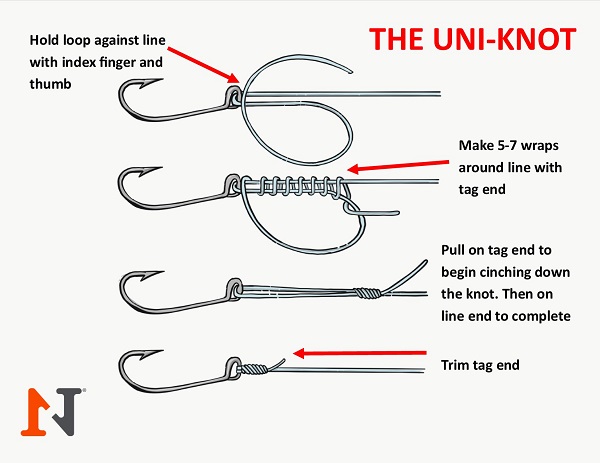
Tie a simple knot with your line. Pull on the line and observe if the knot slips or holds firm. A secure knot means the line is still good.
- Tie a standard fishing knot
- Apply pressure on the knot
- Check if the knot slips
- Ensure the knot holds strong
Float And Sink Test
Fishing lines can lose strength and quality over time. Testing them helps avoid breakage while fishing.
The float and sink test is a simple way to check if your fishing line is still good to use.
Float Test
The float test shows if the line is too old or damaged. Old lines may float more than usual.
To do the float test, place a small piece of line in a bowl of water. Watch if it floats or sinks.
- If the line floats on top, it may have absorbed dirt or air. This can weaken it.
- If it sinks slowly or stays in the middle, it is likely still good.
- New fishing lines usually sink slowly because they are clean and dense.
Sink Test
The sink test checks if the fishing line absorbs water or loses flexibility. This test is simple.
Drop a small cut piece of line into water. Watch how fast it sinks and how it behaves.
- If the line sinks quickly and stays straight, it is still strong and flexible.
- If it sinks very slowly or floats, it may have air bubbles or damage.
- If the line sinks but looks stiff or brittle, it may break easily.
Using A Line Tester Tool
Fishing line can wear out over time. Using a line tester tool helps check its strength. This tool measures how much force the line can handle before breaking.
Testing your line regularly prevents unexpected breaks and lost catches. Let’s look at how to pick the right tester and test your line carefully.
Choosing The Right Tester
Select a tester that matches your fishing line type and strength. Some testers work for monofilament lines, others for braided or fluorocarbon lines.
- Check the tester’s strength range to cover your line’s rating.
- Choose a tester with clear, easy-to-read measurements.
- Pick a compact and durable tester for field use.
- Consider digital testers for precise readings.
Step-by-step Testing Process
Follow these steps to test your fishing line with a line tester tool safely and accurately.
- Cut a piece of line about 12 inches long for testing.
- Secure one end of the line to the tester’s hook or clamp.
- Slowly pull the line using the tester’s handle or mechanism.
- Watch the tester’s scale to see the line’s breaking strength.
- Compare the reading to the line’s original strength rating.
- If the line breaks below the rated strength, replace it.
| Tester Reading | Line Status |
| At or above rated strength | Line is still good |
| Below rated strength | Line is weak and should be replaced |
Inspecting Line Memory
Fishing line memory means the line keeps its shape from the spool. This can cause problems like tangles and knots. Checking line memory helps you know if your line is still good to use.
When line memory is high, the line forms loops and coils easily. This makes casting harder and can reduce fishing success. Let’s look at how to spot and reduce line memory effects.
Identifying Line Coiling
Line coiling happens when the fishing line keeps the round shape from the spool. This is a clear sign of line memory. You can see coils or loops on the line after it leaves the reel.
To check for coiling, pull out some line and hold it straight. If the line bends back into a loop, it has memory. New line usually has less coiling, while old or stored line shows more.
- Look for loops or bends in the line after pulling it off the spool.
- Check if the line snaps back into its coiled shape.
- Notice if the line feels stiff or hard to straighten.
Reducing Memory Effects
You can reduce line memory before fishing. Stretch the line gently by pulling it tight several times. This helps the line lose its coil shape and become straighter.
Another way is to soak the line in warm water. Warmth softens the line and reduces stiffness. Avoid hot water, as it can damage the line.
- Pull the line tight slowly to stretch it out.
- Soak the line in warm water for a few minutes.
- Store line loosely to prevent new coils from forming.
Credit: sportfishinghub.medium.com
When To Replace Your Line
Fishing line can weaken over time. It is important to know when to change it.
Using old line can cause lost fish and broken rods. Testing your line helps avoid problems.
Recommended Replacement Intervals
Replace your fishing line regularly, even if it looks fine. Different types of line need different care.
- Monofilament line: change every 6 to 12 months
- Fluorocarbon line: replace every 12 months
- Braided line: can last 1 to 2 years but check often
- Saltwater fishing may require more frequent changes
If you fish often, replace your line more often. Fresh line keeps your gear strong and reliable.
Signs You Should Not Ignore
Watch for signs that show your line is weak or damaged. Do not ignore these clues.
- Fraying or visible cuts on the line
- Discoloration or faded spots
- Line feels brittle or stiff when bent
- Line twists or tangles easily
- Loss of strength during a pull test
Replace your line right away if you see these signs. This prevents losing fish and gear damage.
Credit: n1outdoors.com
Frequently Asked Questions
How Can I Check If My Fishing Line Is Still Strong?
Test the line by stretching it gently. Look for any nicks, abrasions, or weak spots. If it snaps easily or shows damage, replace it immediately.
What Signs Indicate Fishing Line Needs Replacement?
Look for discoloration, frays, stiffness, or decreased elasticity. These signs mean the line has weakened and may break during use. Regular inspection is key.
How Often Should I Test My Fishing Line’s Condition?
Test your line before every fishing trip. Frequent use and exposure to sun weaken it over time. Regular checks ensure reliability and prevent fishing loss.
Can Water Exposure Damage Fishing Line Quality?
Yes, prolonged water exposure can degrade some line types. Saltwater especially causes damage. Rinse your line after use and dry it properly to extend its life.
Conclusion
Testing your fishing line helps avoid surprises while fishing. Check for cracks, stiffness, or discoloration regularly. A simple stretch and knot test can reveal line strength. Replace the line if it shows wear or feels weak. Taking time to inspect ensures better fishing success.
Keep your gear ready and safe for every trip. Remember, good line means less chance of losing fish. Stay prepared and enjoy fishing without worry.