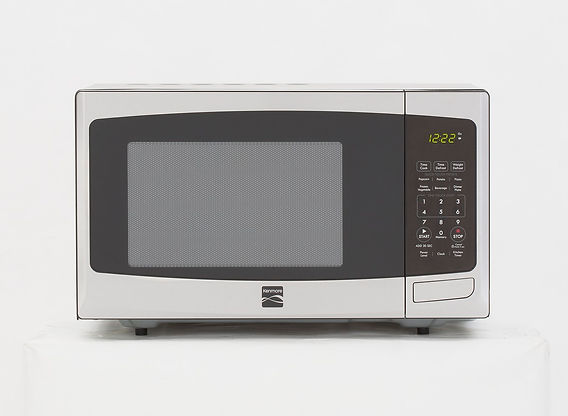
Is your microwave oven acting up, or are you just curious if it’s working as it should? Knowing how to test your microwave oven can save you time, money, and frustration.
Imagine heating your food perfectly every time, without guesswork or wasted energy. You’ll discover simple, effective ways to check if your microwave is functioning properly. By the end, you’ll feel confident in spotting any issues early and ensuring your microwave serves you well for years to come.
Keep reading to unlock these easy testing tricks!

Credit: www.youtube.com
Basic Safety Checks
Ensuring your microwave oven is safe is crucial. Regular basic safety checks can prevent accidents. These checks also extend the life of your appliance. Let’s explore some essential safety checks.
Inspecting The Door And Seal
The microwave door should close properly. Examine the door’s hinges and latch. They should be secure and undamaged. The seal around the door is also important. It prevents microwave leaks. Gently run your fingers along the seal. Look for cracks or gaps. If you find damage, get it repaired. A faulty seal can be hazardous.
Checking Power Supply And Cord
Ensure the power cord is intact. Look for any wear or fraying. A damaged cord can be dangerous. Check the plug for any signs of damage. Test the outlet with another appliance to ensure power supply. Make sure the outlet is not overloaded. Overloading can cause electrical hazards. If any issues arise, consult a professional for repairs.
Functional Tests
Functional tests check if the microwave oven works properly. These tests focus on the heating, timing, and safety features. They help you find any problems that affect cooking.
Testing Heating Performance
Place a cup of water inside the microwave. Use a microwave-safe container to avoid damage. Heat the water on high for one to two minutes. Check if the water feels hot and evenly warmed. Cold spots mean uneven heating. Repeat the test if needed. Consistent heating shows the microwave is working well.
Using A Microwave-safe Container
Always use containers marked microwave-safe. Plastic, glass, or ceramic containers work best. Avoid metal or aluminum foil. These can cause sparks or fires. Using the right container ensures accurate heating tests. It also protects the microwave and your food.
Timing Accuracy Check
Set the microwave timer for one minute. Use a stopwatch or phone timer to track the time. Start both timers at the same moment. Watch if the microwave stops exactly at one minute. A delay or early stop means timing issues. Accurate timing is important for safe cooking. Repeat this check several times for best results.
Advanced Diagnostic Methods
Advanced diagnostic methods offer a deeper insight into how well your microwave oven functions beyond simple tests. These techniques help you pinpoint issues that basic checks might miss, ensuring your microwave operates safely and efficiently. Understanding these methods can save you time and money by identifying problems early.
Measuring Magnetron Output
The magnetron is the heart of your microwave, generating the microwaves that heat your food. Measuring its output requires specialized tools like a microwave power meter or a wattmeter designed for microwave ovens.
To perform this test, place a cup of water inside the microwave and run it for a set period, usually one minute. Then, measure the temperature increase of the water to estimate the magnetron’s power. If the temperature rise is significantly lower than expected, your magnetron might be failing.
Have you noticed your food taking longer to heat? This simple test can confirm if the magnetron is the culprit before you consider costly repairs or replacements.
Using A Microwave Leakage Detector
Microwave leakage detectors are crucial for safety testing. These devices measure if microwaves escape from the oven, which can be harmful if above safe limits.
- Turn off the microwave and inspect the door seals visually for any damage.
- Turn the microwave on and carefully scan around the door and vents with the leakage detector.
- Ensure you follow the device instructions closely for accurate readings.
Discovering leakage early protects you and your family from unnecessary exposure. Have you checked your microwave for leaks recently?

Credit: www.americastestkitchen.com
Troubleshooting Common Issues
Troubleshooting common microwave oven issues can save you time and money before considering professional repairs or replacements. Many problems are straightforward to identify and fix with a bit of attention. Let’s look at practical ways to handle some frequent challenges.
Dealing With Uneven Heating
Uneven heating is a frequent complaint that might make you question your microwave’s effectiveness. Start by checking if the turntable is rotating smoothly—if it’s stuck or off balance, heat won’t distribute evenly.
Make sure you’re using microwave-safe dishes and avoid stacking food too thickly. Thick layers or metal containers block microwaves and cause cold spots. If the problem persists, test the microwave by heating a cup of water and stirring it halfway; this helps you detect cold zones clearly.
Addressing Turntable Problems
Your turntable is crucial for even cooking, so if it’s not turning, your meals might come out cold on one side. First, check if anything is blocking the turntable’s path. Sometimes food debris or a misaligned roller ring can cause it to jam.
Inspect the drive motor underneath the turntable. If you hear a humming noise but no rotation, the motor might be failing. Replacing the motor or roller ring is often a simple fix that can restore proper function.
Fixing Control Panel Errors
Control panel errors can stop your microwave from working or cause unexpected behavior. If buttons are unresponsive or the display shows error codes, try unplugging the microwave for a few minutes to reset the system.
Sticky or worn buttons often cause control panel issues. Cleaning around the buttons with a soft cloth and mild cleaner can help. Persistent errors may indicate a faulty control board, which usually requires professional diagnosis and replacement.
Maintenance Tips For Reliability
Maintaining your microwave oven regularly helps keep it working well for a long time. Simple care steps can prevent problems and improve safety. Regular checks and cleaning make sure your microwave heats food evenly and reliably.
Small efforts in maintenance avoid costly repairs and extend the appliance’s life. Knowing how to care for your microwave keeps it safe and efficient every day.
Cleaning Inside And Out
Clean the microwave’s interior after every use to remove food spills. Use a soft cloth and mild soap with warm water. Avoid harsh chemicals that can damage surfaces.
Wipe the door seals carefully to keep them tight and effective. Clean the exterior regularly to prevent dust and grease build-up. Check the vents and keep them clear for proper air flow.
Regular Component Inspections
Look over the microwave parts often for any signs of damage or wear. Check the door latch to ensure it closes securely. Inspect the turntable to confirm it rotates smoothly and isn’t cracked.
Listen for unusual noises during operation; they may show internal issues. Test the control panel buttons to make sure they respond correctly. Replace any worn or broken parts promptly to avoid further damage.

Credit: thelocalguystestandtag.com.au
Frequently Asked Questions
How Do I Check If My Microwave Oven Heats Properly?
Place a cup of water inside and run the microwave for one minute. If the water is hot, the microwave heats correctly. If not, the microwave may need repair or replacement.
What Is The Safest Way To Test Microwave Oven Radiation?
Use a microwave leakage detector to measure radiation levels. Keep the door closed and test around seals. High readings indicate leakage, requiring professional servicing.
How Can I Test Microwave Oven Turntable Functionality?
Turn on the microwave with a cup of water inside. Observe if the turntable rotates smoothly. If it doesn’t, the turntable motor or roller ring may be faulty.
How To Test Microwave Oven Timer And Control Panel?
Set the timer and start the microwave. Check if the timer counts down accurately and the controls respond properly. Malfunctions may require panel repair or replacement.
Conclusion
Testing your microwave oven helps keep it working well and safe. Simple steps like checking heat and listening for strange sounds tell a lot. Regular tests can find small problems before they get big. Use easy tools like a cup of water or a paper towel test.
Stay aware of any changes in cooking time or smell. Taking time to test your microwave saves money and worry later. Keep your kitchen safe and your food cooked right every day.