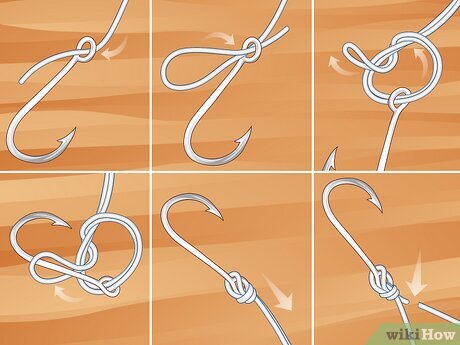
Are you ready to spend more time fishing and less time struggling with your gear? Learning how to thread a fishing line correctly is one of the simplest skills that can make a huge difference in your fishing experience.
Whether you’re a beginner or just need a quick refresher, this step-by-step guide will help you get your line through the rod’s eyelets smoothly and quickly. Keep reading, and you’ll be casting like a pro in no time—no more frustration, just pure fishing fun.

Credit: www.youtube.com
Choosing The Right Fishing Line
Choosing the right fishing line is very important. It helps you catch fish and avoid problems while fishing.
Different fishing lines work best in different situations. Learn about types, strength, and water conditions to pick the best line.
Types Of Fishing Lines
There are three main types of fishing lines: monofilament, fluorocarbon, and braided. Each has its own uses and benefits.
Monofilament is easy to handle and stretch. Fluorocarbon is less visible in water. Braided lines are very strong and thin.
- Monofilament:Good for beginners, stretches well, affordable.
- Fluorocarbon:Hard to see underwater, sinks fast, great for clear water.
- Braided:Very strong, no stretch, good for heavy cover fishing.
Selecting Line Strength
Line strength is measured in pounds. It shows how much weight the line can hold before breaking.
Choose a strength that matches the type of fish you want to catch. Stronger lines hold bigger fish but can be harder to handle.
- Light lines (2-6 lbs): Best for small fish and clear water.
- Medium lines (8-15 lbs): Good for most fishing needs.
- Heavy lines (20+ lbs): Used for big fish and rough conditions.
Considering Water Conditions
Water type affects which fishing line you should use. Clear water needs less visible lines. Murky water allows stronger, thicker lines.
Saltwater can damage some lines. Use lines made for saltwater if you fish in oceans or seas.
- Clear water: Use thin, invisible lines like fluorocarbon.
- Murky water: Use thicker, stronger lines like braided or monofilament.
- Saltwater: Choose lines resistant to salt and abrasion.
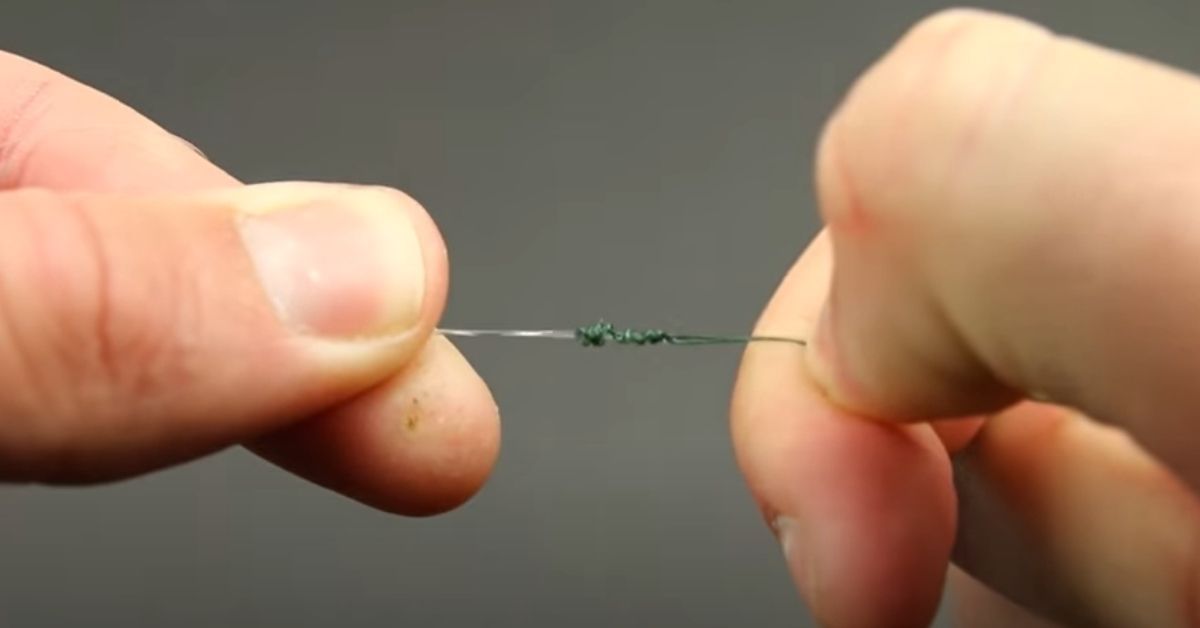
Credit: mysterytacklebox.com
Preparing Your Fishing Rod
Preparing your fishing rod is the first step to a successful fishing trip. Proper setup makes casting easier and prevents line tangles.
Focus on checking your rod parts and making sure the reel is ready. This ensures smooth line threading and better control.
Checking The Guides
Look over each guide on your rod. Guides are the rings that the fishing line passes through along the rod.
- Check for cracks or bends in the guides
- Make sure no parts are loose or broken
- Clean guides to remove dirt or salt buildup
- Replace damaged guides before using the rod
Opening The Reel
Before threading the line, open the reel to allow easy access. This lets you place the line correctly on the spool.
| Type of Reel | How to Open |
| Spinning Reel | Flip the bail arm up to open |
| Baitcasting Reel | Press the spool release button |
| Spincast Reel | Unscrew the cover or press the button |
Threading The Line Through Guides
Learning to thread a fishing line through rod guides is important. It ensures your line is straight and ready for casting.
Follow these steps to make sure your line is threaded correctly. This will help you fish more effectively.
Starting At The Rod Tip
Begin threading at the very top of the fishing rod. The rod tip is the smallest guide and is easy to miss.
Hold the line steady and guide it through the tip. Make sure the line does not twist or tangle as it goes through.
Working Down To The Reel
Move the line to the next guide below the tip. Continue threading the line through each guide down the rod.
Ensure each guide is threaded properly. This keeps the line smooth and ready for action.
- Check each guide as you thread the line
- Keep the line taut to avoid tangles
- Make sure all guides are used
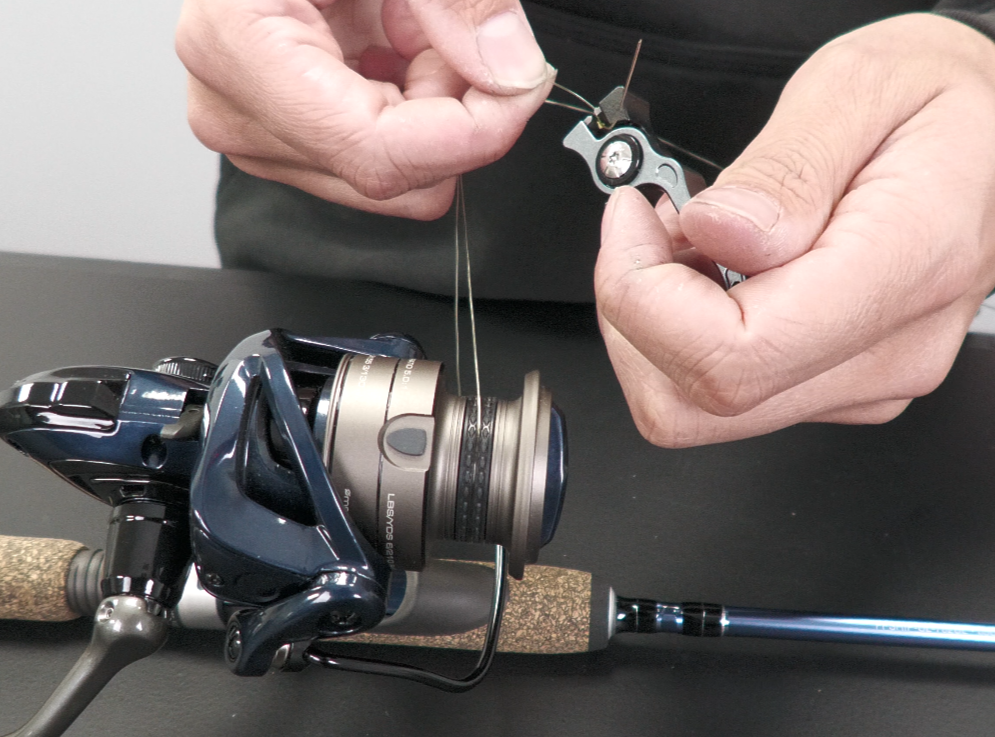
Credit: www.fishusa.com
Attaching The Line To The Reel
Attaching the fishing line to the reel is an important first step. It helps you cast smoothly and catch fish easily.
Making a strong connection between the line and reel prevents slipping and loss during fishing.
Methods To Tie The Line
There are several ways to tie the line to the reel spool. Each way creates a secure hold for fishing.
Choose a method you find easy to do and that fits your fishing style.
- Arbor Knot: Simple and fast for most reels
- Bunny Ears Knot: Good for beginners with extra loops
- Uni Knot: Strong and reliable for heavy lines
Securing The Knot
After tying the knot, it is important to secure it well. This keeps the line from slipping off the reel.
Wet the knot with water or saliva before tightening. This reduces friction and strengthens the knot.
- Pull the knot tight and hold it firmly
- Trim the excess line close to the knot
- Check the knot by gently pulling on the line
Spooling The Reel
Spooling your fishing reel correctly helps your line last longer. It also improves casting and reduces problems on the water.
Here are key tips to keep in mind while spooling your reel.
Maintaining Line Tension
Keeping the right tension on the line is important. It prevents loose coils and makes the line wrap evenly on the spool.
- Hold the line firmly between your fingers.
- Apply gentle pressure as the spool spins.
- Ask a friend to turn the reel slowly if needed.
- Keep the line tight but do not stretch it.
- Stop if the line begins to bunch or slip.
Avoiding Twists And Tangles
Twists and tangles make fishing frustrating. They can cause line breaks and reduce casting distance.
| Cause | Prevention |
|---|---|
| Line twisting from loose loops | Keep tension steady and guide the line evenly. |
| Using old or damaged line | Replace line regularly to avoid weak spots. |
| Incorrect reel direction | Match the spool rotation with line direction when spooling. |
Final Line Checks
After threading your fishing line, it is important to check everything before you fish. These checks help avoid problems while casting or reeling.
Two key steps are testing the line movement and adjusting the drag settings. Both ensure smooth fishing and protect your gear.
Testing Line Movement
Pull the line gently through the guides to make sure it moves freely. The line should slide without sticking or catching on any part.
Check that the line flows smoothly from the spool. If it feels rough or tight, check for knots or twists and fix them.
- Pull line slowly and evenly
- Look for snags or tight spots
- Fix knots or tangles immediately
- Ensure line flows off spool without resistance
Adjusting Drag Settings
Set the drag so it lets the line out smoothly under pressure. This helps prevent the line from breaking when a fish pulls hard.
Turn the drag knob to increase or decrease resistance. Test by pulling the line with your hand and adjust until it feels right.
- Start with a loose drag setting
- Pull line to test resistance
- Tighten drag if line pulls too easily
- Loosen drag if line is too hard to pull
Frequently Asked Questions
How Do I Choose The Right Fishing Line For Threading?
Select a fishing line based on your fishing type and rod. Consider line strength, material, and thickness. Match the line to your reel and fishing environment for best results.
What Is The Best Technique To Thread A Fishing Line?
Start by loosening the reel drag. Pass the line through guides from tip to reel. Tie the line securely to the reel spool using an appropriate knot.
How Can I Avoid Tangles While Threading A Fishing Line?
Keep the line taut and avoid slack during threading. Use slow, steady movements to guide the line through guides. Check for twists or loops frequently to prevent tangling.
How Often Should I Re-thread My Fishing Line?
Re-thread your line when replacing old or damaged line. Also, re-thread after changing fishing conditions or line type. Regularly inspect for wear to maintain optimal performance.
Conclusion
Threading a fishing line takes patience and practice. Start slow and follow each step carefully. Check the line for knots or damage before threading. Use a good light source to see better. Keep your hands steady while threading the line through the eye.
Soon, it will feel easier and faster. Fishing becomes more fun with proper line threading. Keep trying, and enjoy your time by the water. Simple steps lead to better fishing results.