If you’ve ever felt stuck trying to get your fishing line through the tiny eye of a fishing rod, you’re not alone. Threading a fishing line might seem tricky at first, but once you know the simple steps, it becomes quick and easy.
Imagine how much smoother your fishing trips will go when you can set up your gear without frustration. In this guide, you’ll learn exactly how to thread a fishing line, so you can spend less time fussing and more time enjoying the water.
Keep reading to master this essential skill and make every cast count.

Credit: www.reddit.com
Choosing The Right Fishing Line
Choosing the right fishing line is important for a good fishing experience. The line must fit the type of fish and fishing style.
There are many types of fishing lines. Each has its strengths and uses. Knowing the right line helps you catch fish more easily.
Types Of Fishing Lines
Fishing lines come in different materials. Each type has unique features. The main types are monofilament, fluorocarbon, and braided lines.
- Monofilament:Flexible and easy to handle. Good for beginners.
- Fluorocarbon:Nearly invisible underwater. Great for clear water fishing.
- Braided:Very strong and thin. Best for heavy cover fishing.
Line Strength And Thickness
Line strength is called “pound test.” It shows how much weight the line can hold before breaking. Thicker lines have higher strength but are less sensitive.
| Line Type | Strength Range (lbs) | Thickness |
| Monofilament | 2 – 30 | Medium |
| Fluorocarbon | 4 – 40 | Thin |
| Braided | 10 – 80 | Very Thin |
Matching Line To Rod And Reel
Your fishing rod and reel have limits on line strength and type. Using the correct line keeps gear safe and works better.
Follow these tips:
- Check the rod’s recommended line strength on its label.
- Match line thickness to the reel’s spool capacity.
- Use line type that fits your fishing style and target fish.
Preparing Your Reel
Preparing your fishing reel is important before threading a new line. It helps your reel work smoothly and lasts longer.
Start by cleaning and inspecting the reel, opening the spool, and removing any old fishing line. Each step makes sure your reel is ready.
Cleaning And Inspecting The Reel
Check your reel for dirt, sand, and salt. Clean these off gently with a soft cloth. Look for damage or wear on parts like the handle and drag system.
- Wipe the reel body with a damp cloth
- Use a soft brush to clean small crevices
- Inspect the reel for cracks or loose parts
- Apply light oil on moving parts if needed
Opening The Reel Spool
To open the spool, locate the drag knob on top of the reel. Turn it counterclockwise to loosen and remove the knob. Gently lift the spool off the reel body.
Safety Tips:
- Keep small parts safe so they don’t get lost.
- Do not force parts apart to avoid damage.
Removing Old Line
Remove the old fishing line by pulling it off the spool carefully. If the line is tangled or stuck, cut it with scissors before removing.
- Cut the old line near the reel if tangled
- Pull the line slowly from the spool
- Dispose of the old line properly
- Check the spool for any leftover line or debris
Threading The Line Through The Rod
Threading the fishing line through your rod is an important step before fishing. It helps the line move smoothly and keeps your rod ready to cast.
This guide will explain how to thread the line through the rod for a good fishing experience.
Starting At The Rod Tip
Begin threading the line at the very tip of the rod. The tip is the smallest guide and the last one on the rod.
Hold the line and carefully pass it through the rod tip guide. Make sure the line goes through the center of the guide.
Guides And Their Role
Guides are the small rings along the rod. They help keep the line straight and prevent tangles.
Thread the line through each guide, moving from the tip to the rod handle. This keeps the line aligned.
- Guides reduce friction when casting
- They protect the line from damage
- They help control the line during retrieval
Ensuring Smooth Line Flow
Make sure the line moves freely through all the guides. If the line catches, it can cause problems while fishing.
Check each guide for dirt or damage. Clean or replace guides if they block the line.
Attaching The Line To The Reel
Attaching the fishing line to the reel is the first step in preparing your fishing gear. This step keeps the line secure and ready for casting.
Using the right knot and tying it correctly helps prevent the line from slipping off the reel during fishing.
Types Of Knots For Attachment
Several knots work well to attach the line to the reel. Each knot has its own strength and ease of tying.
- Arbor Knot – simple and strong for most reels
- Uni Knot – versatile and easy to tie
Step-by-step Knot Tying
Follow clear steps to tie the knot correctly. This ensures the line stays secure on the reel.
- Wrap the line around the reel spool.
- Tie a simple overhand knot around the standing line.
- Make a loop and pass the tag end through it.
- Tighten the knot by pulling both ends firmly.
- Trim the extra line close to the knot.
Securing The Line Properly
After tying the knot, make sure the line is tight and secure. Loose knots can cause problems while fishing.
- Pull on the line to test the knot’s strength.
- Check that the knot sits close to the spool.
- Make sure the line does not slip when you pull hard.
- Re-tie if the knot looks loose or weak.
Spooling The Line Onto The Reel
Spooling the fishing line onto the reel is an important step before fishing. It helps the line come off smoothly and reduces tangles.
Proper spooling makes casting easier and protects the line from damage. Let’s look at how to do it right.
Maintaining Proper Tension
Keep the line tight while spooling. This prevents loose loops that cause tangles and knots later.
Use your fingers or a cloth to hold the line firmly as you reel it in.
- Hold the line with light pressure
- Keep steady speed when turning the reel handle
- Avoid letting the line slack
Avoiding Line Twists
Line twists cause tangles and weak spots. Avoid twisting by matching the line direction to the spool rotation.
Let the line flow from the spool or package naturally without forcing it.
- Use a swivel if needed to reduce twists
- Keep line spool flat during spooling
- Watch for loops forming and correct them quickly
Filling The Spool Correctly
Fill the spool almost full but leave a small gap. Too much line can cause tangles and backlashes.
A good rule is to fill the spool to about 1/8 inch below the edge.
- Check the reel’s capacity markings
- Do not overfill or underfill the spool
- Keep the line even and smooth on the spool
Final Checks Before Fishing
Before you start fishing, make sure your fishing line is ready. These final checks help you avoid problems on the water.
Checking the line strength, drag settings, and trimming the excess line can improve your fishing experience.
Testing Line Strength
Pull the line gently to check if it feels strong and smooth. Look for any weak spots or frays.
If the line breaks easily, replace it before fishing. A strong line helps catch fish without snapping.
Adjusting Drag Settings
Set the drag to control how much resistance the fish feels when pulling the line. Too tight or too loose drag causes problems.
Turn the drag knob to adjust the pressure. Test it by pulling the line with your hand to feel the resistance.
Trimming Excess Line
Cut off any long or loose ends of the fishing line near the rod tip. Excess line can tangle or catch on objects.
Use sharp scissors or a line cutter to make a clean trim. Keep the line neat for smooth casting and reeling.
Common Mistakes To Avoid
Threading a fishing line might seem easy. Still, many beginners make mistakes that cause problems later.
Knowing what to avoid helps you fish better and keeps your gear safe.
Overfilling The Spool
Putting too much line on the spool can cause tangles. The line may come off in loops, called bird’s nests.
Keep the line about 1/8 inch below the spool edge. This prevents overfilling and helps smooth casting.
- Too much line increases friction and tangles.
- It can damage the reel’s mechanism.
- Proper filling ensures longer line life.
Incorrect Knot Tying
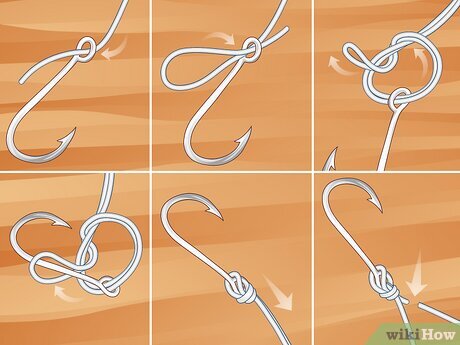
Tying knots wrong weakens the line. It may break when you catch a fish.
Learn simple, strong knots like the improved clinch knot. Practice tying them until they are tight and neat.
- Loose knots slip or come undone.
- Thick knots get stuck in the reel.
- Trim extra line after tying to avoid snags.
Ignoring Line Compatibility
Not all lines fit every reel or rod. Using the wrong line can cause damage or poor performance.
Check your reel’s line rating and rod type. Match your fishing line to these specs for best results.
- Heavy lines may overload light reels.
- Light lines may break on heavy rods.
- Different materials work best for different fish.
Credit: www.fishusa.com
Credit: mysterytacklebox.com
Frequently Asked Questions
How Do I Thread A Fishing Line Easily?
To thread a fishing line easily, moisten the line tip and guide it through the rod’s eyelets carefully. Use a steady hand and good lighting for precision. Practice improves speed and accuracy.
What Tools Help In Threading A Fishing Line?
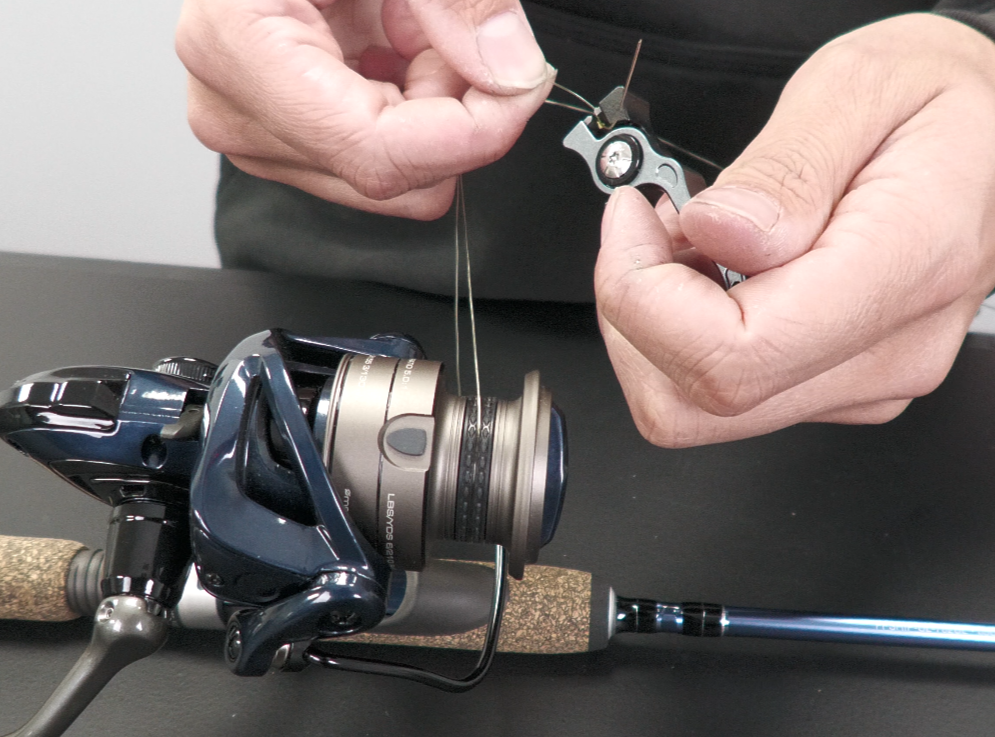
A needle threader or a small flashlight can help thread a fishing line. These tools improve visibility and control, especially in low light or with fine lines.
How To Avoid Tangles When Threading Fishing Line?
Keep the line taut and avoid twisting while threading. Use smooth, slow movements and ensure the line is properly aligned through each guide to prevent tangles.
Can I Thread Fishing Line Without A Guide?
Threading without a guide is difficult and not recommended. Guides help direct the line and prevent damage, making the process easier and more efficient.
Conclusion
Threading a fishing line is simple once you practice. Remember the steps to avoid tangles. Start by choosing the right line for your reel. Follow the spool’s direction for smooth casting. Ensure the line is tight to prevent knots. Practice makes perfect, so keep at it.
Soon, you’ll feel confident on your fishing trips. Enjoy the peace that fishing brings. Good luck, and happy fishing!