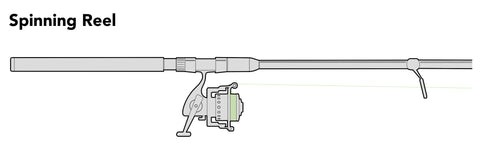
Are you ready to make your fishing trips more successful? Knowing how to thread fishing line correctly is one of the simplest skills that can save you time and frustration.
Imagine spending less time struggling with tangled lines and more time enjoying the water. In this guide, you’ll discover easy, step-by-step instructions to thread your fishing line quickly and confidently. Whether you’re a beginner or just need a refresher, this article will help you get your gear ready without hassle.
Keep reading, and you’ll be casting like a pro in no time!
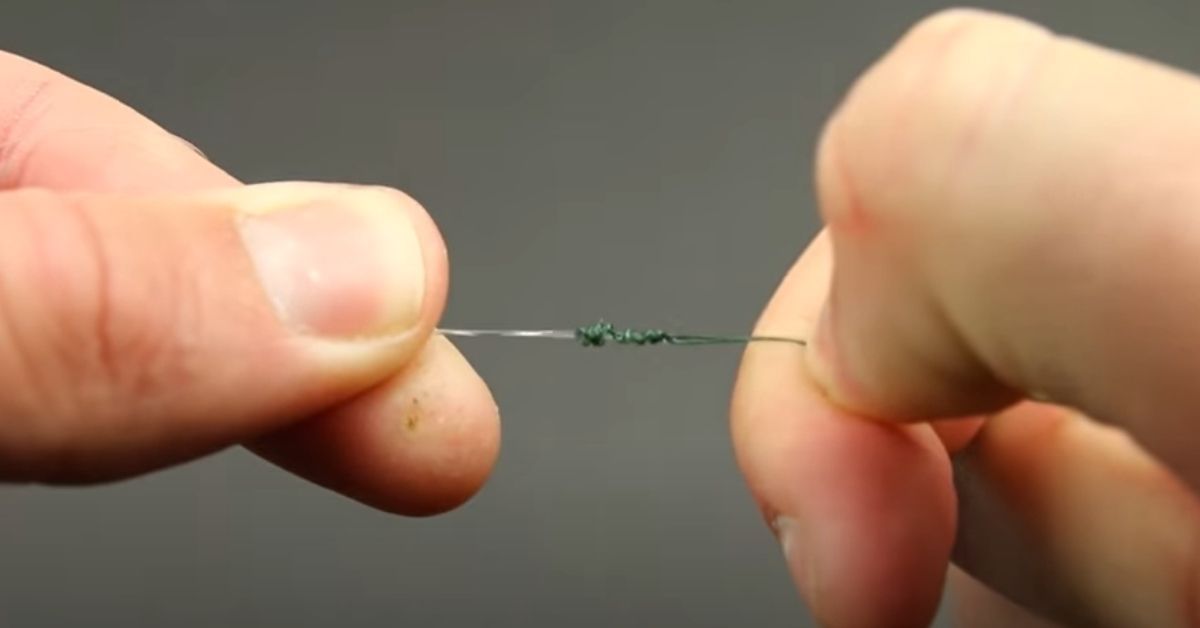
Credit: mysterytacklebox.com
Choosing The Right Fishing Line
Fishing line is essential for a successful fishing trip. Choose the right line for your needs.
Different fishing lines offer various benefits. Consider your fishing style and target fish.
Types Of Fishing Lines
Fishing lines come in several types, each with unique features. It’s important to know them.
- Monofilament: Flexible and affordable
- Braid: Strong with no stretch
- Fluorocarbon: Invisible underwater
Selecting Line Strength
Line strength is vital for catching fish. Choose the right strength for the fish size.
| Fish Type | Line Strength (lb) |
| Trout | 4-6 lb |
| Bass | 8-12 lb |
| Salmon | 15-20 lb |
Line Material Considerations
Material affects line performance. Choose materials based on fishing conditions.

Credit: www.wikihow.com
Preparing Your Fishing Rod
Threading your fishing line is an important step before you start fishing. Preparing your fishing rod helps make this process easier.
Taking time to check your rod and reel ensures a smooth setup. This prevents problems while fishing.
Checking The Guides
Look at all the guides on your rod carefully. These small rings keep the line in place as you cast and reel.
Make sure each guide is clean and not bent. A damaged guide can cause the line to fray or break.
- Inspect every guide from the reel seat to the rod tip
- Clean guides with a soft cloth to remove dirt or debris
- Replace any guides that are cracked or misshapen
Reel Setup Tips
Attach your reel firmly to the rod. A loose reel can cause problems while fishing.
Check the reel spool for old or tangled line. Remove it to avoid knots and tangles.
- Secure the reel tightly to the rod seat
- Clean the spool before adding new line
- Make sure the drag system works smoothly
Step-by-step Threading Process
Threading a fishing line correctly helps you fish without tangles. It makes casting easier and fishing more fun.
Follow these simple steps to thread your fishing line through the reel and rod guides.
Attaching The Line To The Reel
Start by opening the bail arm of your spinning reel. This keeps the line from moving while you attach it.
Wrap the line around the spool and tie a secure knot. Trim any extra line close to the knot.
- Open the bail arm
- Wrap line around spool
- Tie a secure knot (such as an arbor knot)
- Trim excess line
- Close the bail arm
Feeding The Line Through Guides
Pull the line from the reel and guide it through each ring on the rod. Start from the bottom and move to the tip.
Make sure the line sits inside each guide smoothly without twisting or tangling.
- Hold the rod steady
- Feed line through the first guide near the reel
- Continue through all guides up to the tip
- Check for twists or snags
Securing The Line
Once the line is through all guides, pull some line out. Tie your hook or lure to the end securely.
Check the knots to make sure they are tight. Cut off any extra line to prevent tangling while fishing.
- Pull 10-15 feet of line out
- Tie your hook, lure, or swivel
- Use a strong knot like the improved clinch knot
- Tighten knots firmly
- Trim excess line closely
Common Threading Mistakes
Threading fishing line onto your reel is simple but easy to do wrong. Many anglers make mistakes that cause problems while fishing.
These mistakes can cause line twists, tangles, and poor casting. Knowing how to avoid them helps your fishing go smoothly.
Avoiding Line Twists
Line twists happen when the line spins too much while casting or reeling. Twists weaken the line and cause knots.
To avoid twists, attach the line to the spool correctly. Let the line come off the spool in the same direction it goes onto your reel.
- Use a swivel to reduce spinning
- Keep the spool steady while threading
- Check the line for twists before casting
Preventing Tangles
Tangles happen when the line loops or knots during threading or casting. They waste time and can break your line.
Prevent tangles by pulling the line tight and smooth while threading. Avoid letting loose loops form on the spool or rod.
- Thread line slowly and evenly
- Keep tension on the line as you wind
- Use your fingers to guide the line on the spool
Ensuring Proper Tension
Proper tension stops the line from being too loose or too tight on the spool. Loose line causes tangles and tight line may break.
Hold light pressure on the line while winding it onto the spool. Make sure the line layers neatly without gaps or overlaps.
- Use a cloth or your fingers to keep tension
- Wind line at a steady speed
- Stop and adjust if the line looks loose or bunched
Maintaining Your Fishing Line
Keeping your fishing line in good shape helps you catch more fish. Proper care prevents breaks and tangles.
Regular maintenance saves money and makes your fishing trips more enjoyable. Learn simple ways to care for your line.
Regular Inspections
Check your fishing line before each trip. Look for cracks, frays, or weak spots along the line.
- Run the line through your fingers to feel for roughness
- Look closely at knots for signs of damage
- Inspect sections near the reel and lure attachments
- Replace or repair damaged parts immediately
Replacing Old Line
Fishing line loses strength over time. Replace it regularly to avoid unexpected breaks.
| Type of Line | Replacement Frequency |
| Monofilament | Every 6 months |
| Fluorocarbon | Every 8 months |
| Braid | Every 12 months |
Storing Line Correctly
Store your fishing line in a cool, dry place. Avoid direct sunlight and heat to keep it strong.
Tips for storing fishing line:
- Keep spools in sealed plastic bags
- Do not store line near chemicals or solvents
- Use original packaging or a line holder
- Check line condition before use after storage
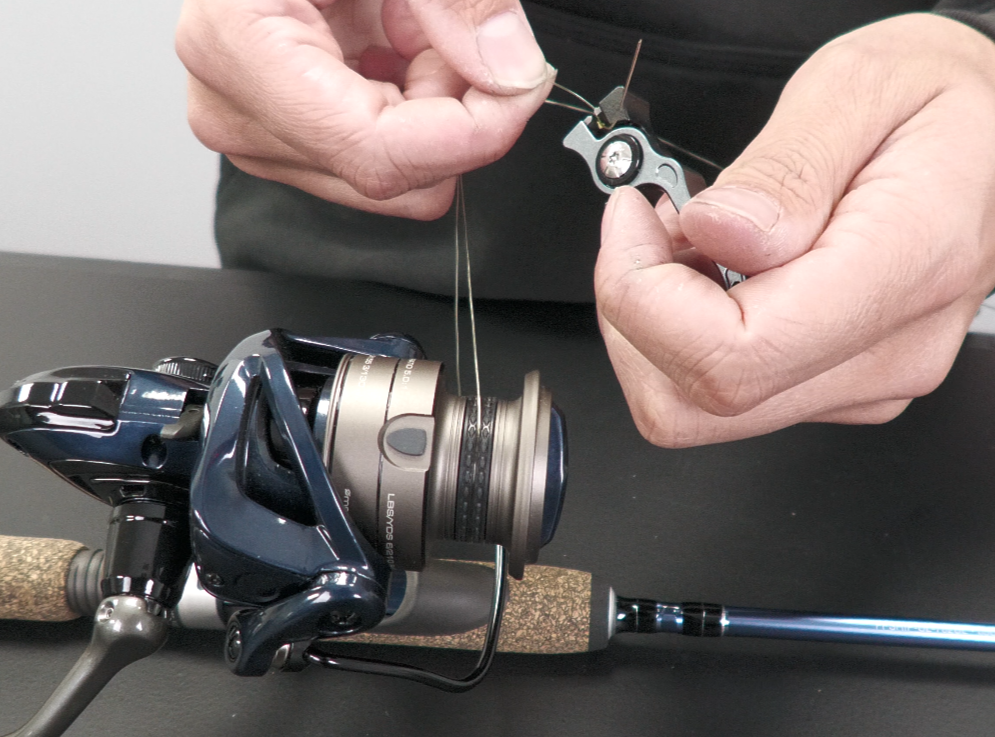
Credit: www.fishusa.com
Frequently Asked Questions
How Do I Thread Fishing Line Onto A Reel?
First, open the reel bail arm. Insert the line through the rod guides. Tie the line securely to the spool. Close the bail and start winding slowly to load line evenly.
What Type Of Fishing Line Is Easiest To Thread?
Monofilament lines are the easiest to thread. They are flexible and smooth, making them ideal for beginners. Fluorocarbon and braided lines require more care during threading.
How To Prevent Fishing Line From Tangling While Threading?
Keep tension on the line when threading. Wind the line evenly on the spool. Avoid letting the line twist or overlap. Use a line conditioner for smoother spooling.
Can I Thread Fishing Line Without Tools?
Yes, you can thread line manually. Use your fingers to guide the line through guides and tie it onto the reel. Tools help but aren’t necessary for simple setups.
Conclusion
Threading fishing line takes patience and practice. Start slow and follow the steps carefully. Use the right tools to make the process easier. Keep the line tight and steady while threading. Practice often to build your confidence and skill. Soon, you will thread the line quickly every time.
Enjoy your fishing trips with a properly threaded line. Fishing becomes more fun when your gear works well. Keep learning and improving to catch more fish. Simple steps lead to better fishing experiences.