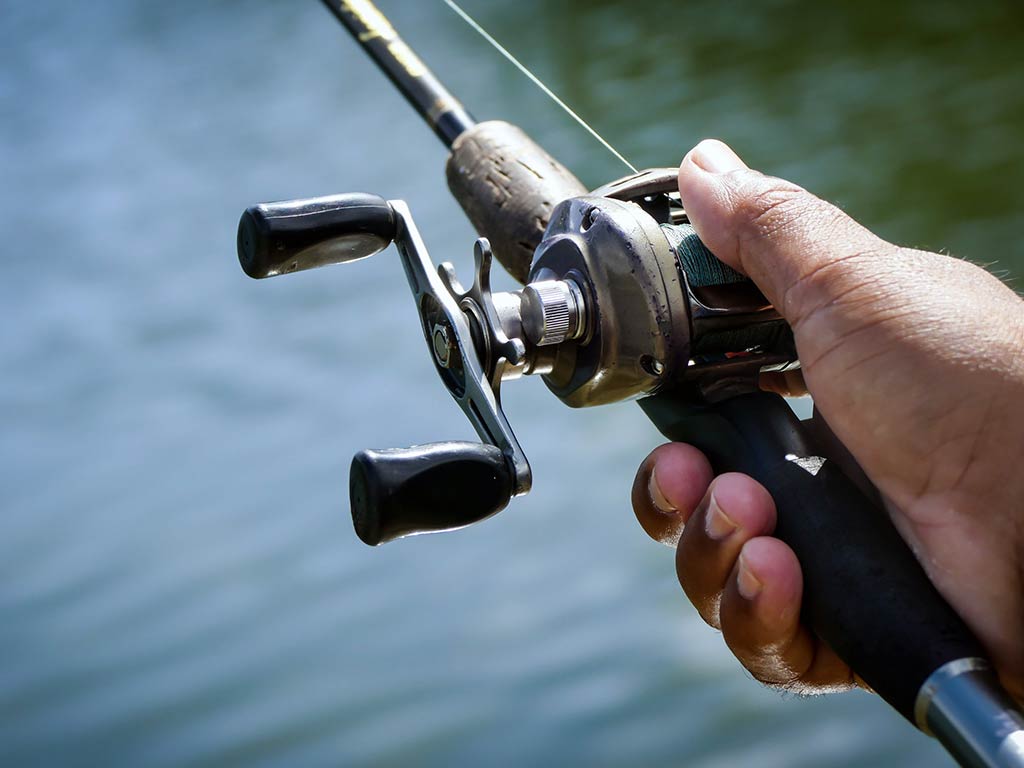
Are you ready to catch more fish and enjoy your time by the water? Knowing how to throw a fishing rod properly is the first step to becoming a confident angler.
Whether you’re a beginner or just need a refresher, mastering this skill will help you cast farther, aim better, and land more fish. You’ll discover simple, step-by-step tips that make throwing your fishing rod easier and more effective. Keep reading, and soon you’ll feel the thrill of every perfect cast.

Credit: www.aftco.com
Choosing The Right Rod
Choosing the right fishing rod makes a big difference in your fishing experience. It helps you cast better and catch more fish. Knowing the types and features of rods can guide your choice.
This guide covers types of fishing rods, tips for beginners, and how rod length and power matter.
Types Of Fishing Rods
- Spinning Rods: Easy to use and good for light lures.
- Baitcasting Rods: Offer more control and power for experienced anglers.
- Fly Rods: Designed for fly fishing with flexible, long rods.
- Surf Rods: Long rods used for fishing from shore or the beach.
- Trolling Rods: Built strong for fishing from a moving boat.
Selecting The Best Rod For Beginners
Beginners should pick rods that are light and easy to handle. A spinning rod is a good start. It is simple and works with many types of fishing lines and lures.
| Feature | Why It Helps Beginners |
|---|---|
| Lightweight | Reduces arm fatigue and improves control |
| Medium Length | Balances casting distance and accuracy |
| Moderate Power | Handles various fish sizes without strain |
| Durable Material | Lasts longer and withstands mistakes |
Rod Length And Power
Rod length affects how far and how well you cast. Longer rods cast farther but are harder to control. Shorter rods give better accuracy but less distance.
- Light Power: Best for small fish and light lures.
- Medium Power: Versatile for many fishing types.
- Heavy Power: Used for big fish and heavy baits.
Credit: www.fishusa.com
Essential Gear For Casting
Learning to cast a fishing rod requires the right gear. Each piece plays a vital role in your success.
Understanding your equipment helps you cast efficiently and effectively. Let’s explore the essential gear for casting.
Fishing Line Options
Choosing the right fishing line is crucial for casting. Different lines offer various strengths and flexibility.
- Monofilament:Good for beginners, stretches easily.
- Braided:Strong and durable, less stretch.
- Fluorocarbon:Nearly invisible in water, perfect for clear conditions.
Choosing The Right Reel
The reel is a key part of your fishing gear. It helps control the line and improve your casting distance.
| Reel Type | Best For |
| Spinning | Versatility and ease of use |
| Baitcasting | Precision and control |
| Spincast | Beginners and simple casting |
Selecting Hooks And Baits
Hooks and baits are essential for attracting fish. They vary in size and type to suit different fish species.
Consider the following when selecting hooks and baits:
- Hook size:Match the hook size to the fish you aim to catch.
- Live bait:Worms, minnows, and insects are effective.
- Artificial lures:Use lures that mimic the fish’s natural prey.
Casting Techniques
Throwing a fishing rod correctly helps you reach the best spots in the water. Good casting improves your chance to catch fish.
There are different ways to cast depending on the situation. Learn these simple techniques to improve your fishing skills.
Basic Overhead Cast
The basic overhead cast is the most common way to throw a fishing rod. It works well for open water with no obstacles.
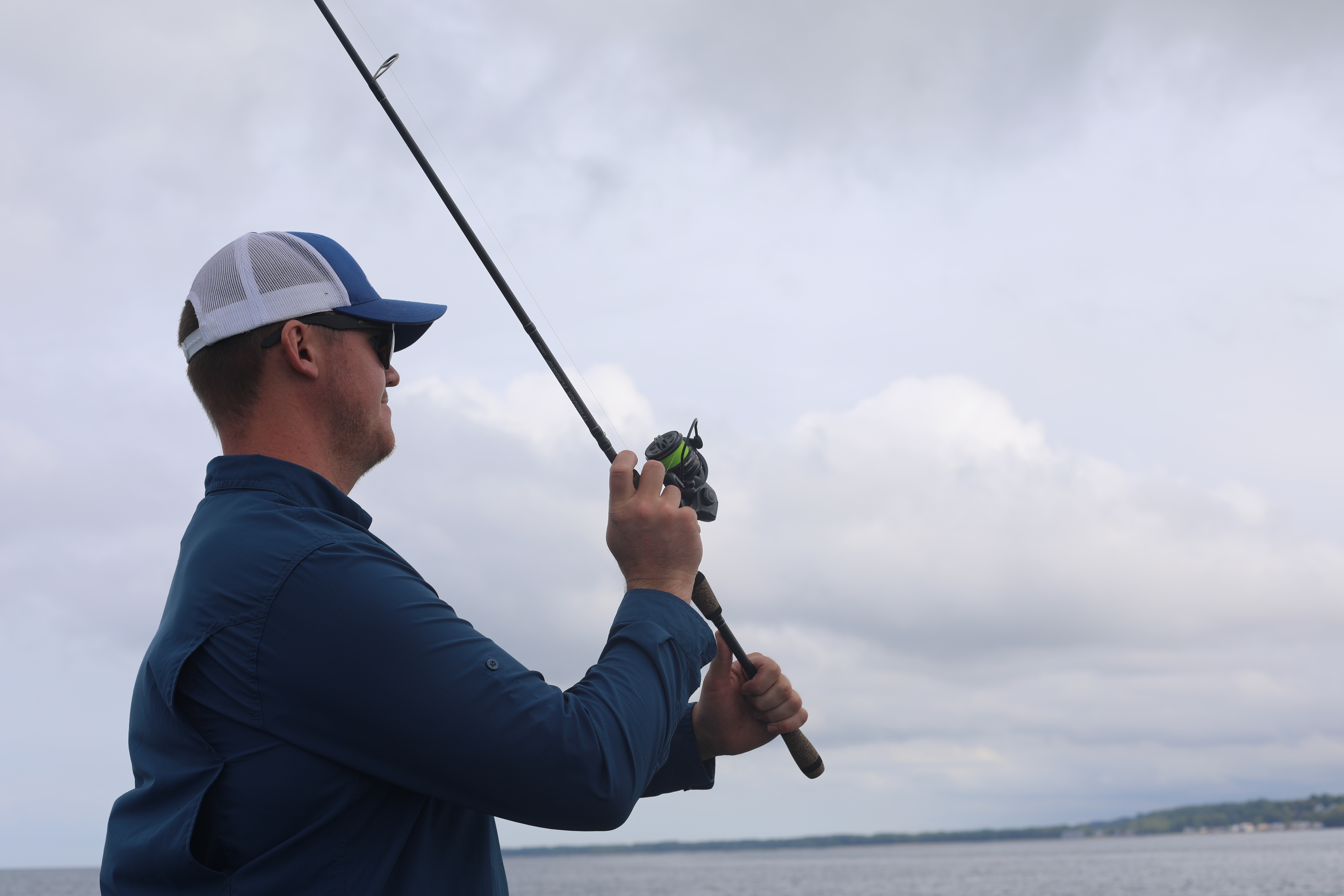
Hold the rod with both hands, pull it back above your shoulder, and then swing it forward smoothly. Release the line as the rod points toward your target.
- Keep your wrist firm during the cast
- Watch the rod tip to time your release
- Practice to control distance and accuracy
Sidearm Cast
The sidearm cast is good for fishing near trees or bushes. It helps you avoid snagging your line on overhead branches.
Hold the rod sideways and swing it low and to the side. Release the line when the rod points at your target. This cast is faster and more accurate in tight spots.
- Keep your arm close to your body
- Use smooth, controlled movements
- Practice casting at different heights
Roll Cast
The roll cast is useful when you have little room behind you. You do not need to pull the line far back before casting.
Start with the rod tip low near the water. Lift the rod slowly to create tension in the line. Then push the rod forward to roll the line out over the water.
- Keep the line tight during the lift
- Avoid slack to prevent tangles
- Use this cast in small streams or crowded areas
Step-by-step Casting Process
Throwing a fishing rod correctly helps you catch more fish. Follow these easy steps to improve your casting.
This guide covers preparing your rod, holding it right, timing your cast, and finishing with a good follow-through.
Preparing Your Rod And Line
Check your rod and line before casting. Make sure the reel is tight and the line is free of knots. Attach the bait or lure securely.
- Inspect the rod for damage
- Wind the reel smoothly
- Untangle any knots in the line
- Attach your bait or lure properly
Proper Grip And Stance
Hold the rod firmly but not too tight. Use your dominant hand near the reel and support the rod with your other hand. Stand with feet shoulder-width apart for balance.
| Grip Tips | Stance Tips |
|---|---|
| Hold rod with thumb on top | Stand with feet shoulder-width apart |
| Keep wrist relaxed | Bend knees slightly |
| Use dominant hand near the reel | Face your target area |
Timing Your Cast
Timing is key for a smooth cast. Pull the rod back slowly and then move it forward quickly. Release the line at the right moment to send your bait far.
- Pull the rod back slowly behind you
- Move the rod forward fast and smoothly
- Release the line when the rod points toward the target
- Practice to find the best timing
Follow-through For Accuracy
After releasing the line, continue the rod movement forward. This follow-through improves accuracy and distance. Keep your eyes on the target until the bait lands.
Common Casting Mistakes
Throwing a fishing rod seems simple, but many anglers make common errors. These mistakes reduce casting distance and accuracy.
Learning what to avoid helps you cast better and catch more fish. Below are some frequent casting problems.
Overpowering The Cast
Using too much force can ruin your cast. It causes the line to tangle or the lure to land too hard.
Strong casts often lose control and accuracy. You do not need to use all your strength to cast far.
- Keep your movements smooth and steady
- Use wrist and arm motion, not just power
- Practice gentle casts before trying hard ones
Incorrect Wrist Movement
The wrist plays a big role in casting. Wrong wrist motion can cause the line to fly unevenly.
Twisting or jerking your wrist leads to poor rod control. A straight, smooth wrist action gives better results.
- Keep your wrist relaxed and flexible
- Use a fluid forward flick with your wrist
- Avoid sharp or sudden wrist twists
Poor Line Control
Not managing the fishing line causes tangles and short casts. Line control is key for accuracy.
Too much slack or too tight line both cause problems. Learn to release and retrieve line smoothly.
- Keep slight tension on the line during casting
- Release line steadily, not all at once
- Practice controlling the reel spool with your finger
Improving Accuracy And Distance
Throwing a fishing rod well helps catch more fish. You need both good accuracy and distance for better results.
This guide explains how to adjust your casting speed, use wind to your advantage, and practice drills for precision.
Adjusting Your Casting Speed
Changing your casting speed affects how far and how accurate your cast is. Slow speed can reduce distance but improve control.
Faster speed sends the bait farther but may lower accuracy. Find a balance that fits your style and fishing spot.
- Start with moderate speed for control
- Increase speed gradually to add distance
- Watch where your bait lands and adjust speed
Using Wind To Your Advantage
Wind can help or hurt your cast. Casting with the wind can increase distance but may reduce accuracy.
Cast slightly to the side if the wind blows sideways to keep your bait on target.
- Face into the wind for shorter, controlled casts
- Cast with the wind to reach farther spots
- Adjust your aim based on wind direction
Practice Drills For Precision
Regular practice helps improve your casting accuracy. Try drills that focus on hitting small targets.
Practice in different wind conditions and with varied casting speeds to build skill and confidence.
- Set up targets at different distances
- Cast aiming to hit each target
- Track your success and adjust technique
- Practice daily for steady progress
Safety Tips While Casting
Casting a fishing rod needs care to avoid accidents. Safety helps everyone enjoy fishing more.
Knowing how to stay safe keeps you and others protected near water and fishing gear.
Awareness Of Surroundings
Look around before you cast your rod. Check for people, animals, and obstacles nearby.
- Make sure no one is behind you or beside you.
- Keep a clear space for your rod and line to move freely.
- Watch for trees, power lines, or boats near your fishing spot.
- Be extra careful in crowded or narrow fishing areas.
Handling Hooks Carefully
Hooks are sharp and can hurt you or others. Always handle them with care.
| Tip | Reason |
| Keep hooks covered when not in use | Prevents accidental pokes and injuries |
| Use pliers to remove hooks from fish | Protects your hands from sharp points |
| Never swing the rod with a hook attached near people | Avoids hitting others by mistake |
| Store hooks safely in tackle boxes | Keeps gear organized and safe |
Protective Gear Recommendations
Wearing the right gear can protect you while casting and fishing.
- Wear polarized sunglasses to protect eyes from hooks and glare.
- Use a hat or cap to shield your head from the sun.
- Wear gloves to protect hands when handling fish and hooks.
- Choose proper footwear to avoid slipping near water.

Credit: www.reddit.com
Troubleshooting Casting Problems
Casting a fishing rod can be tricky for beginners and experts alike. Problems like tangles, backlashes, and equipment issues often disrupt the experience.
Knowing how to fix these problems quickly helps you get back to fishing without losing time or patience.
Line Tangles And Snags
Line tangles and snags happen when the fishing line twists or catches on something. This stops smooth casting and can break the line.
- Check the line for twists before casting.
- Use a swivel to reduce line twists.
- Keep the line tight when reeling in.
- Avoid casting near trees or rocks.
- Replace old or weak fishing lines.
Backlashes And How To Fix Them
Backlashes, also called bird’s nests, occur when the spool spins too fast. This causes the line to tangle badly on the reel.
- Stop casting immediately when you see a backlash.
- Use your fingers to gently loosen the tangled line.
- Turn the reel handle slowly to untangle the mess.
- Adjust the reel’s brake settings to prevent future backlashes.
- Practice smooth and controlled casting motions.
Dealing With Equipment Malfunctions
Sometimes equipment fails during casting. Problems include stuck reels, broken guides, or loose handles.
| Problem | Cause | Solution |
|---|---|---|
| Stuck reel | Rust or dirt inside reel | Clean and lubricate reel parts |
| Broken guide | Line hitting rocks or rough surfaces | Replace guide with a new one |
| Loose handle | Worn screws or parts | Tighten screws or replace parts |
Frequently Asked Questions
How Do I Properly Grip A Fishing Rod?
Hold the rod firmly but relaxed. Place your dominant hand near the reel handle. Support the rod with your other hand. A good grip ensures control and accuracy when casting your line.
What Is The Best Stance For Casting A Fishing Rod?
Stand with feet shoulder-width apart. Face the casting area with your non-dominant side forward. Keep knees slightly bent for balance. This stance helps improve casting distance and precision.
When Should I Release The Fishing Line While Casting?
Release the line as the rod tip moves forward. Timing is key to avoid tangles and maximize distance. Practice helps develop the perfect release moment for smooth casts.
How Can I Avoid Tangling My Fishing Line?
Use smooth, controlled movements during casting. Check the reel and line for twists. Regularly maintain your gear to prevent snags. Proper technique reduces line tangles significantly.
Conclusion
Throwing a fishing rod takes practice and patience. Start slow and focus on your form. Keep your movements smooth and steady. Use the right rod and line for your fishing spot. Remember, timing and control are key to a good cast.
Enjoy the process and learn from each try. Soon, casting will feel natural and fun. Fishing brings calm and joy, so keep practicing and enjoy every moment.