Have you ever stood by the water, fishing rod in hand, unsure how to cast it just right? Throwing a fishing rod might seem tricky at first, but with a few simple steps, you can master the technique quickly.
Imagine feeling the thrill as your lure lands exactly where you want it, attracting the biggest catch. This guide will help you gain confidence and improve your skills fast. Keep reading, and you’ll discover easy tips that make every cast count.
Choosing The Right Rod And Reel
Choosing the right fishing rod and reel is key for a good fishing experience. The right gear helps you cast better and catch more fish.
There are many types of rods and reels. Knowing their features can help you pick the best match for your fishing style.
Types Of Fishing Rods
Fishing rods come in many styles. Each style suits different fishing types and fish sizes. Here are common types:
- Spinning Rods: Easy to use, good for light lures.
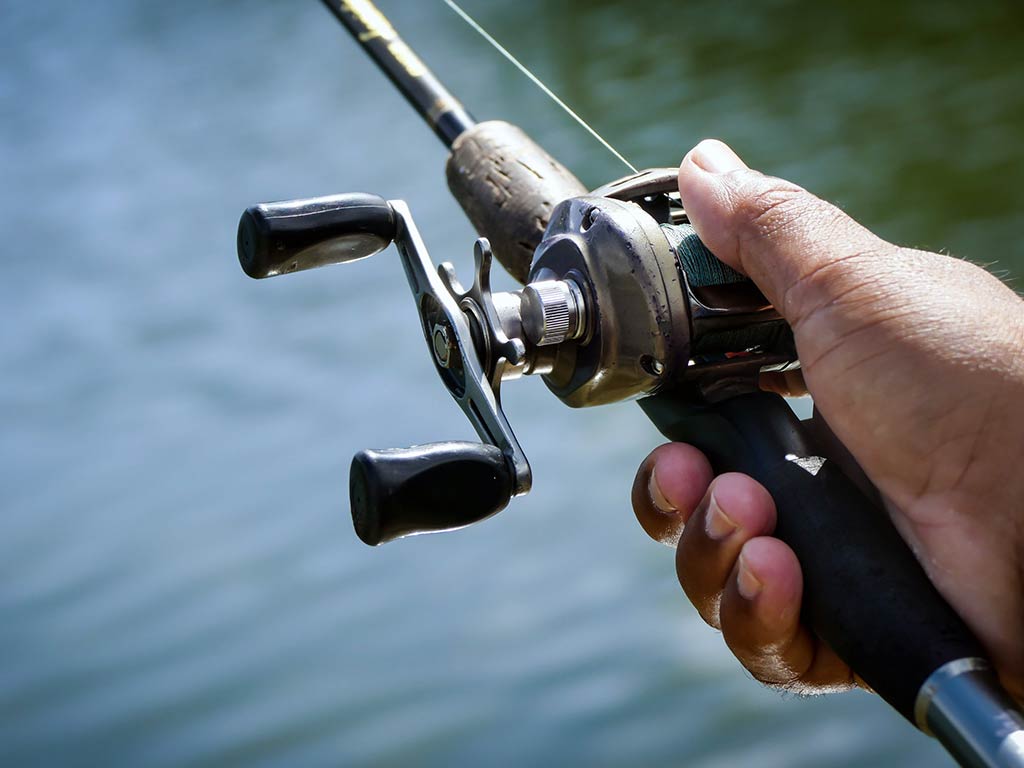
- Baitcasting Rods: Offer accuracy and power for bigger fish.
- Fly Rods: Designed for fly fishing with light lines.
- Trolling Rods: Made for fishing from a moving boat.
Selecting The Best Reel
Reels help you control the line and cast your bait. Choose a reel based on your rod and fishing style.
| Reel Type | Best For | Key Feature |
| Spinning Reel | Beginners, light tackle | Easy to cast and use |
| Baitcasting Reel | Experienced anglers, heavy lures | Good control and power |
| Fly Reel | Fly fishing | Simple design, smooth drag |
Matching Rod And Reel For Casting
Matching your rod and reel is important for smooth casting. The rod must handle the reel’s weight and line capacity.
Tips for matching rod and reel:
- Use a spinning reel with a spinning rod for light lines.
- Pair baitcasting reels with baitcasting rods for heavy lures.
- Check the rod’s line weight range and choose a reel that fits it.
- Balance the rod and reel to reduce hand fatigue.
Preparing Your Line And Bait
Getting your fishing line and bait ready is important for a good catch. You need to pick the right line and attach hooks carefully.
This guide will help you prepare your line and bait step by step.
Selecting The Proper Line
Choose a fishing line that fits your fishing style and the fish size. Thicker lines hold big fish but are easier to see. Thin lines are less visible but can break more easily.
- Monofilament lines are flexible and good for beginners.
- Fluorocarbon lines are nearly invisible underwater.
- Braided lines are very strong and have no stretch.
- Check the line’s test strength before buying.
Attaching Hooks And Baits
Secure the hook tightly to your line. Use a strong knot to avoid losing fish. Choose bait that matches the fish you want to catch.
| Hook Size | Best For |
| Small (10-14) | Small fish like panfish |
| Medium (6-8) | Medium fish like bass |
| Large (1-4) | Large fish like catfish |
| Bait Type | Examples |
| Live Bait | Worms, minnows |
| Artificial Bait | Plastic worms, lures |
Checking Line Tension
Test the line tension before casting. The line should be tight enough to feel bites but not so tight it breaks easily.
Follow these tips for line tension:
- Pull the line gently to feel resistance.
- Adjust the drag on your reel for smooth tension.
- Replace the line if it shows signs of wear.
Casting Techniques
Casting a fishing rod well makes fishing easier and more fun. Good casting helps place the bait where the fish are.
There are many casting methods. Each works best in different spots and conditions. Learn these three simple techniques.
Basic Overhead Cast
The basic overhead cast is the most common and easy to learn. It works well in open areas with few obstacles.
- Hold the rod tip up and behind you.
- Open the reel to release the line.
- Swing the rod forward in a smooth motion.
- Stop the rod tip at about 10 o’clock position.
- Close the reel to stop the line from unspooling.
Sidearm Cast For Accuracy
The sidearm cast is good for throwing the line low and straight. It helps when you need more accuracy near banks or structures.
| Step | Action |
|---|---|
| 1 | Hold the rod low and to the side. |
| 2 | Pull the rod back like a pendulum. |
| 3 | Smoothly swing the rod forward just above the water. |
| 4 | Stop the rod quickly to let the line fly straight. |
Roll Cast For Tight Spaces
The roll cast works well when there is little room behind you to swing. It uses the water’s resistance to help cast the line.
Follow these tips for a good roll cast:
- Keep the rod tip low and close to the water.
- Pull the line back to form a loop on the water surface.
- Lift the rod smoothly to roll the line forward.
- Stop the rod sharply to send the line out.

Credit: www.aftco.com
Body Position And Grip
Throwing a fishing rod well needs good body position and grip. These parts help you cast smoothly and far.
Focus on your stance, hand placement, and arm movements. Each part works together for a strong cast.
Stance For Stability
Stand with your feet shoulder-width apart for balance. Keep your knees slightly bent. This stance helps you stay steady during the cast.
- Place your dominant foot slightly back
- Distribute your weight evenly on both feet
- Keep your body relaxed but firm
- Face the direction where you want to cast
Proper Hand Placement
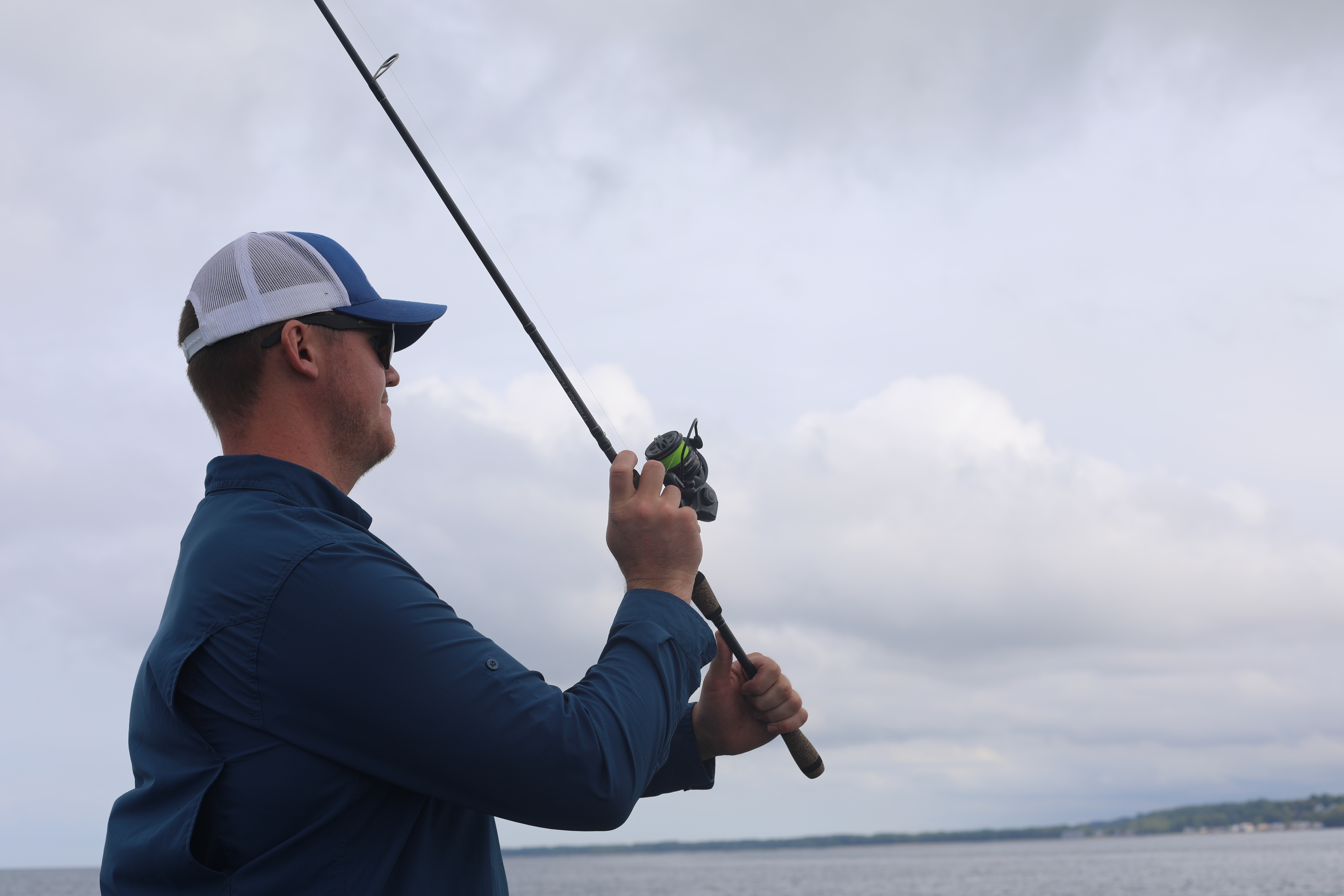
Hold the fishing rod with your dominant hand near the reel. Your other hand should support the rod further up. This grip gives control and power.
| Hand | Position on Rod | Purpose |
| Dominant Hand | Near reel handle | Control the cast and reel |
| Support Hand | Up the rod shaft | Balance and guide the rod |
Coordinating Arm And Wrist Movements
Use your arm to swing the rod back and forth. Your wrist should help snap the rod forward. This motion sends the line far into the water.
- Lift the rod smoothly with your arm
- Pause briefly at the top of the swing
- Snap your wrist forward to release the line
- Follow through with your arm after the cast
Timing And Release
Throwing a fishing rod well needs good timing and release. These help your line go far and land where you want.
Focus on how you build momentum, when to release, and how to control the line. These steps make casting better.
Building Momentum
Start by moving the rod backward smoothly. This action stores energy in the rod.
Then, swing the rod forward with a steady speed. The faster the rod moves, the farther the cast.
- Keep your movements fluid, not jerky.
- Use your whole arm, not just the wrist.
- Practice to find a rhythm that works for you.
Optimal Release Point
Release the line at the right moment to get the best distance. Too early or late will shorten the cast.
The best time to let go is when the rod tip points slightly above the target direction.
- Watch the rod tip carefully.
- Practice releasing just as the rod reaches its forward peak.
- Release smoothly to avoid jerking the line.
Controlling Line Flow
After release, control how the line flows from the reel. This helps avoid tangles and improves accuracy.
Use your fingers to slow the line if it comes out too fast. Let it flow freely when the cast is smooth.
- Lightly touch the line with your fingers during the cast.
- Stop the line with your hand to end the cast cleanly.
- Practice controlling speed to match different casting distances.

Credit: www.fishusa.com
Common Mistakes To Avoid
Throwing a fishing rod may seem easy, but many beginners make simple mistakes. These errors affect casting distance and accuracy.
Knowing what to avoid can help you cast better and enjoy fishing more. Read on to learn about common issues.
Overcasting And Tangling
Overcasting happens when you cast too hard or too far. This can cause the line to tangle or knot.
- Do not use too much force when casting.
- Make smooth and controlled movements.
- Check your line for twists before casting.
- Practice timing your release to avoid slack.
- Keep your rod tip steady during the cast.
Incorrect Rod Angle
The angle at which you hold your rod affects where and how far your lure goes. Holding the rod too high or too low causes poor casts.
| Rod Angle | Effect on Cast |
| Too High (above 75°) | Short distance, line may tangle |
| Ideal (45° to 60°) | Good distance and accuracy |
| Too Low (below 30°) | Low arc, less range |
Ignoring Wind And Weather
Wind and weather affect your casting a lot. Ignoring them leads to poor control and accuracy.
- Cast into the wind for better control.
- Use heavier lures in strong wind.
- Adjust your casting strength to match conditions.
- Wear appropriate clothing to stay comfortable.
Practice Drills For Improvement
Practicing with your fishing rod helps improve your casting skills. Regular drills build strength and accuracy.
These exercises focus on distance, precision, and handling different fishing conditions.
Casting Distance Exercises
Work on increasing your casting distance by practicing smooth and controlled rod movements. Use open spaces like parks or empty fields for safety.
- Start with short casts and gradually increase the distance.
- Focus on timing your rod’s forward motion.
- Use different rod lengths and weights to feel the difference.
- Practice with and without bait to improve control.
Accuracy Challenges
Improving accuracy helps you place your lure where fish are likely to bite. Set up targets to aim for during practice.
| Target Type | Distance | Purpose |
| Floating Rings | 10 meters | Practice hitting moving targets |
| Bucket or Container | 5 meters | Test precision in small areas |
| Markers on Ground | Varied | Improve placement accuracy |
Simulating Different Conditions
Fishing conditions change with weather, wind, and water types. Practice in varied settings to get used to them.
Try these drills:
- Cast against the wind to learn control.
- Practice near water edges to simulate real fishing spots.
- Use different lures to feel their weight and behavior.
- Simulate quick casts and slow casts to adapt to fish movement.
Maintenance Tips For Equipment
Keeping your fishing rod and reel in good condition helps them last longer. Regular care also improves your fishing experience.
Simple maintenance steps can prevent damage and keep your gear working smoothly.
Cleaning Rod And Reel
After each fishing trip, clean your rod and reel to remove dirt, salt, and debris. Use fresh water and a soft cloth for cleaning.
- Rinse the rod and reel with fresh water.
- Wipe down the rod with a soft cloth.
- Use a small brush to clean reel parts gently.
- Dry everything completely before storing.
Checking For Wear And Tear
Inspect your fishing gear regularly to find any damage early. Check the rod guides and reel for cracks or rust.
| Part | What to Check |
| Rod guides | Cracks, bends, or missing inserts |
| Reel handle | Loose or stiff movement |
| Line | Frays or weak spots |
| Reel body | Rust or corrosion |
Storing Gear Properly
Store your fishing rod and reel in a dry, cool place. Use holders or racks to keep rods straight and prevent damage.
- Keep rods upright or horizontally supported.
- Loosen the reel drag to reduce pressure.
- Cover reels to avoid dust buildup.
- Store line away from direct sunlight.
Credit: www.fishusa.com
Frequently Asked Questions
How Do I Properly Grip A Fishing Rod?
Grip the fishing rod firmly but comfortably with your dominant hand. Hold it above the reel for better control and balance while casting. Avoid a tight grip to prevent fatigue and ensure smooth movements during your throw.
What Is The Best Stance For Casting A Fishing Rod?
Stand with your feet shoulder-width apart and face the target water spot. Keep your knees slightly bent for stability. Position your body sideways to the water to allow a smooth and accurate cast.
How Far Should I Cast My Fishing Rod?
Cast as far as needed to reach the fish habitat without overexerting. Beginners should start with short casts of 20-30 feet and gradually increase distance with practice for better accuracy.
When Should I Release The Fishing Line During A Cast?
Release the line when the rod tip reaches slightly past your head in the forward motion. Timing the release correctly ensures maximum distance and accuracy in your cast.
Conclusion
Fishing can be a relaxing and rewarding hobby. With practice, your casting skills will improve. Remember to choose the right rod and reel for your needs. Practice makes perfect, so try casting in different settings. Watch the water and learn from each experience.
Pay attention to weather and fish behavior. Enjoy the quiet moments and the thrill of a catch. Fishing connects you with nature and offers peaceful escapes. Share your newfound skills with friends and family. Create lasting memories by the water.
Keep learning and enjoying every fishing trip. Happy fishing!