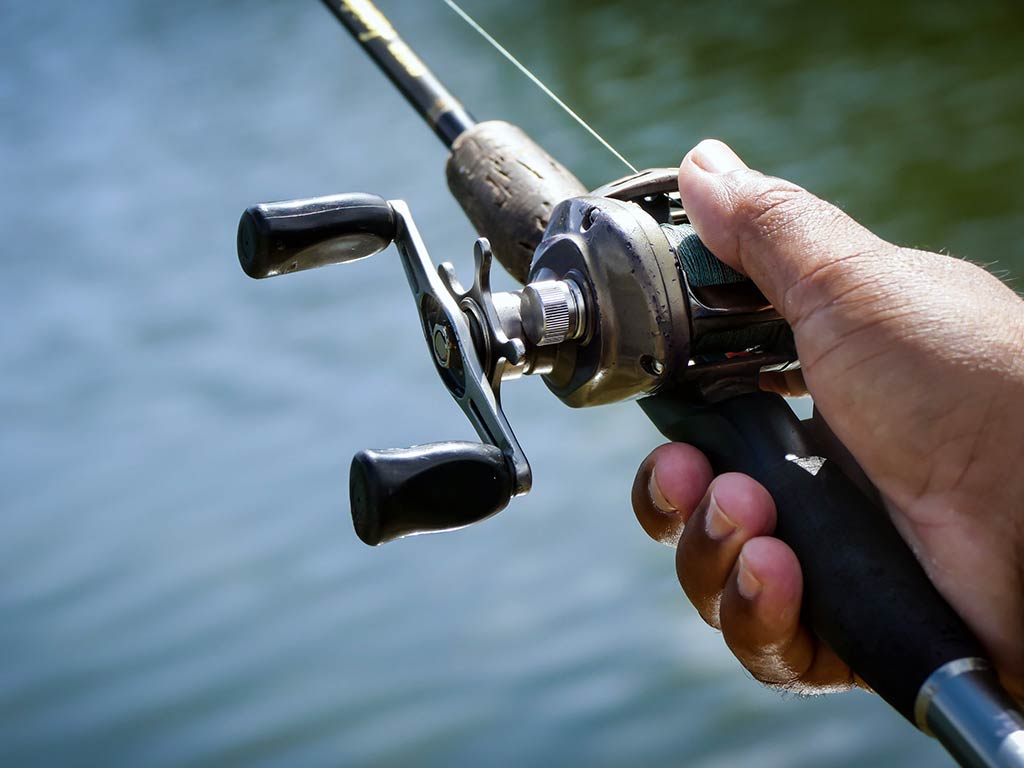
Have you ever struggled to cast your fishing rod just right? Throwing a fishing rod might seem simple, but doing it well can make all the difference between a great catch and a wasted day by the water.
In this guide, you’ll learn easy, step-by-step tips to improve your casting skills quickly. By the end, you’ll feel confident and ready to catch more fish with less effort. Keep reading, and discover how to make every cast count!
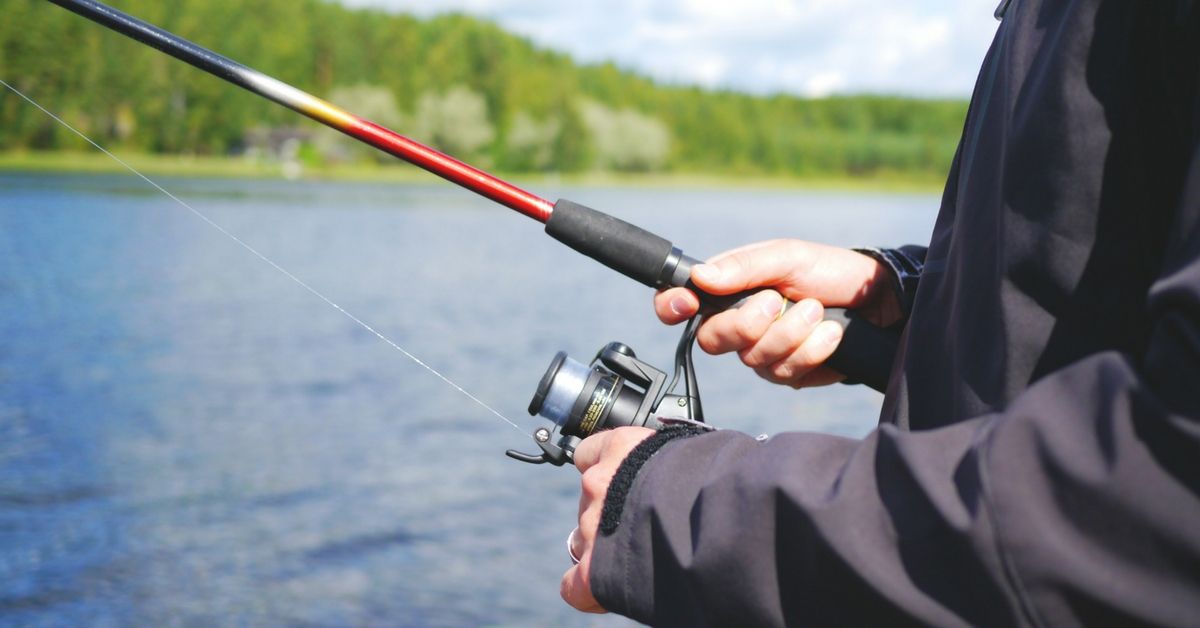
Credit: mysterytacklebox.com
Choosing The Right Rod
Picking the right fishing rod is important for a good fishing experience. It helps you catch fish more easily and enjoy your time by the water.
There are different rods for different types of fishing. Knowing which one to choose can make your trip successful.
Types Of Fishing Rods
Fishing rods come in many types. Each type is suited for different fishing styles and environments.
- Spinning rods are great for beginners and versatile use.
- Casting rods offer more control and are good for experienced anglers.
- Fly rods are used for fly fishing in streams and rivers.
Rod Length And Power
Rod length and power are key factors in choosing a rod. They affect how far you can cast and what size fish you can catch.
- Short rods are easier to handle and good for small spaces.
- Long rods help in casting further into the water.
- Light power rods are for small fish; heavy power rods are for big fish.
Selecting The Best Reel
The reel is the part of the rod that holds the fishing line. Choosing the right reel is important for smooth casting and reeling in fish.
- Spinning reels are easy to use and good for beginners.
- Baitcasting reels offer more precision for experienced anglers.
- Fly reels are used specifically for fly fishing.
Essential Casting Gear
Throwing a fishing rod well needs the right gear. Good tools help you cast farther and catch more fish.
This guide covers key gear you must have for casting. Knowing your equipment makes fishing easier and safer.
Fishing Line Varieties
Fishing lines come in different types. Each type works best in certain water and fishing styles.
Choose a line that matches your rod and the fish you want to catch. Strength and stretch vary by type.
- Monofilament:Easy to use, good stretch, budget-friendly.
- Fluorocarbon:Less visible underwater, sinks faster.
- Braided:Very strong, thin, no stretch.
Lures And Baits
Lures and baits attract fish to your hook. Pick the right one to match the fish’s diet and water conditions.
Artificial lures can mimic small fish or insects. Live baits work well in many situations and are natural.
- Spinnerbaits:Shine and spin to catch fish’s attention.
- Soft plastics:Look like worms or small creatures.
- Live bait:Worms, minnows, or insects for natural appeal.
Safety Equipment
Safety gear protects you while fishing. It helps avoid injuries and accidents on the water.
Always carry basic safety items. Wear the right clothing for sun and weather protection.
- Life jacket or personal flotation device
- Sunscreen and a hat for sun protection
- First aid kit for minor injuries
- Polarized sunglasses to reduce glare
Basic Casting Steps
Throwing a fishing rod correctly helps you cast farther and catch more fish. It takes practice and the right technique.
This guide covers the basic steps to cast your rod well. Follow these tips to improve your fishing skills.
Proper Grip And Stance
Hold the rod firmly but not too tight. Use your dominant hand to grip the handle just above the reel.
Stand with your feet shoulder-width apart. Face the water with your body slightly turned sideways for balance.
- Grip the rod handle with your thumb on top
- Keep your wrist straight and relaxed
- Place your feet flat and steady
Loading The Rod
Pull the rod back slowly to load it with tension. This action stores energy for your cast.
Stop the rod just behind your head. Avoid pulling it too far to keep control and prevent damage.
- Raise the rod tip to about 10 o’clock position
- Keep the line tight but smooth
- Feel the rod bend slightly under tension
Smooth Casting Motion
Move the rod forward in a smooth, fast motion. Release the line at the right moment to send the bait far.
Follow through with your arm after releasing. This helps the rod straighten and improves accuracy.
- Start the cast from behind the head
- Accelerate the rod forward evenly
- Release the line when the rod points at 2 o’clock
- Let your arm follow the cast motion

Credit: www.aftco.com
Common Casting Techniques
Throwing a fishing rod is a skill that helps you place the bait where fish are. Different casting techniques suit different fishing spots and conditions.
Here are three common ways to cast your fishing rod. Each technique has its own steps and uses.
Overhead Cast
The overhead cast is the most popular method. It gives you good distance and control. Hold the rod with both hands and bring it over your shoulder. Then, swing it forward and release the line.
- Hold the rod firmly but relaxed
- Bring the rod tip behind your head
- Look at the target before casting
- Swing the rod forward smoothly
- Release the line when the rod is pointing at the target
Sidearm Cast
The sidearm cast is useful when you have obstacles above you, like trees. Keep the rod low and swing it sideways. This helps keep the line low over water.
| Step | Action |
| 1 | Grip the rod with one hand |
| 2 | Bring the rod tip back to your side |
| 3 | Swing the rod sideways in a smooth motion |
| 4 | Release the line when the rod points at the target |
| 5 | Let the line land gently on the water |
Roll Cast
The roll cast is good for tight spaces and short distances. You start with the line on the water. Then, you lift the rod to make a loop before casting forward.
Basic roll cast steps:
- Pull the line tight with the rod tip low
- Lift the rod slowly to form a loop
- Swing the rod forward and release the line
- Let the line roll out over the water
Tips To Improve Accuracy
Throwing a fishing rod with good accuracy helps catch more fish. It takes practice and the right technique.
Focusing on key points can make your casts more precise. This guide covers important tips to improve your aim.
Targeting And Aiming
Look at the exact spot where you want to cast. Keep your eyes on the target during the throw.
Keep your rod steady and point it toward the target. This helps your line go where you want it to land.
- Pick a clear target on the water or shore
- Use your dominant hand to control the rod
- Keep your wrist firm but relaxed
- Follow through with your cast in the target direction
Adjusting For Wind
Wind can push your line off course. Notice the wind direction before you cast.
Aim slightly against the wind. This helps your line reach the target more accurately.
- Check wind speed and direction
- Aim a bit upwind to counter the drift
- Use lighter lures in strong wind for better control
- Practice casting in different wind conditions
Controlling Line Slack
Too much slack in the line makes casting less accurate. Keep your line tight but not too stiff.
Control the line with your fingers during the cast. This helps the lure land where you want it.
- Hold the line firmly with your index finger
- Release the line smoothly during the forward cast
- Tighten the line after the lure hits the water
- Practice smooth line control for better accuracy

Credit: fishingbooker.com
Troubleshooting Casting Issues
Casting a fishing rod can sometimes be tricky. Problems like backlash, tangles, and rod snaps can ruin your fishing experience.
Knowing how to fix these issues helps you cast smoothly and enjoy your time on the water.
Avoiding Backlash
Backlash happens when the spool spins too fast and the line tangles. It looks like a bird’s nest on your reel.
- Check your reel’s brake settings before casting.
- Use your thumb gently on the spool to control speed.
- Practice smooth and steady casting motions.
- Don’t cast too hard if you are a beginner.
- Use lighter lures to reduce spool speed.
Fixing Line Tangles
Line tangles can stop your cast and waste time. They happen when the line loops around itself.
| Cause | How to Fix |
| Loose line on spool | Tighten line by re-spooling properly |
| Twisted line | Use swivel to reduce twists |
| Wrong casting technique | Practice smooth, straight casts |
| Damaged line | Replace old or worn line |
Managing Rod Snaps
Rod snaps happen if the rod bends too much or hits a hard surface. You can avoid breaks by handling your rod carefully.
Tips to prevent rod snaps:
- Do not overload the rod with heavy lures or line.
- Avoid sudden jerks when casting or reeling.
- Keep the rod supported when moving or storing.
- Inspect the rod for cracks or damage before use.
- Use proper rod action for the type of fishing.
Practice Drills For Speed
Improving your fishing rod throwing speed takes focused practice. Drills help you cast faster without losing control. Try different exercises to build quick and accurate casts.
Focus on speed first, then work on distance and accuracy. These drills train your muscles and improve your timing for better results.
Casting Distance Challenges
Practice casting to various distances quickly. This builds speed and strength in your arm and wrist. Try to hit targets at short, medium, and long ranges.
- Set markers at 10, 20, and 30 meters
- Cast three times to each marker without stopping
- Rest for one minute between rounds
- Repeat three rounds to increase speed
Target Practice
Use targets to improve your aim and quick casting. Focus on hitting small areas fast. This drill helps with control and speed together.
| Target Type | Distance | Focus |
|---|---|---|
| Floating ring | 15 meters | Speed and accuracy |
| Bucket | 20 meters | Precision under time pressure |
| Small net | 25 meters | Quick release and aim |
Timed Casting Sessions
Set a timer and cast as many times as you can. This drill builds speed and endurance. Keep your form steady while increasing your casting rate.
- Set a timer for 2 minutes
- Cast to a fixed target repeatedly
- Count successful casts during the time
- Rest for 1 minute, then repeat
- Try to beat your previous count each round
Advanced Casting Tips
Throwing a fishing rod well takes more than just strength. Good technique helps you cast farther and more accurately.
This guide shares advanced tips to improve your casting skills for different conditions and gear.
Casting In Different Conditions
Water, weather, and surroundings change how you should cast. Adapt your style to match the environment.
For example, in tight spaces, use short, controlled casts. On open water, longer casts work best.
- Use sidearm casts in windy or narrow areas
- Practice roll casts for smooth, short distances
- Adjust your power based on water depth and fish type
Using Wind To Your Advantage
Wind can help or hurt your cast. Learn to use it to increase distance and accuracy.
Cast with the wind to add extra power. Casting against the wind needs less force to avoid backlash.
- Face the wind for longer casts
- Use smooth, steady movements to control your line
- Let the wind carry your lure gently when possible
Casting With Heavy Lures
Heavy lures need more power but can cause strain. Use the right technique to cast safely and far.
Load your rod fully by pulling back smoothly before casting. Use your whole arm to avoid injury.
- Check your rod’s weight rating before using heavy lures
- Keep your wrist firm to control the cast
- Practice slow and steady casts to prevent tangles
Frequently Asked Questions
How Do I Properly Grip A Fishing Rod Before Throwing?
Hold the fishing rod firmly with your dominant hand. Position your thumb along the rod’s top. This grip ensures control and accuracy when casting your line.
What Is The Best Stance For Casting A Fishing Rod?
Stand with feet shoulder-width apart. Keep your body relaxed and face the casting direction. This stance improves balance and casting precision.
How Far Should I Throw A Fishing Rod?
Aim to cast 20 to 50 feet depending on your fishing spot. Practice helps increase distance without sacrificing accuracy.
When Should I Release The Fishing Line During A Cast?
Release the line when the rod tip points slightly upward. Timing here affects how far and accurately the lure travels.
Conclusion
Throwing a fishing rod well takes practice and patience. Start slow and focus on your grip and stance. Keep your movements smooth and controlled. Watch your line to avoid tangles and snags. With time, your casts will become longer and more accurate.
Enjoy the calm and fun of fishing outdoors. Every try helps you improve a little more. Keep practicing, and soon you will feel confident by the water. Fishing is about enjoying the moment and learning each day.