Are you ready to catch more fish and enjoy your time by the water? Knowing how to throw a fishing rod properly can make all the difference between a quiet day and a successful one.
Whether you’re a beginner or just want to improve your skills, mastering this simple technique will boost your confidence and help you reach those hard-to-get spots. Keep reading, and you’ll discover easy steps that anyone can follow to cast like a pro and reel in the big catch you’ve been dreaming of.

Credit: fishingbooker.com
Choosing The Right Rod
Choosing the right fishing rod makes your fishing easier and more fun. A good rod matches the type of fishing you plan to do.
This guide helps you pick a rod based on rod types, fish species, and rod length and power.
Types Of Fishing Rods
There are several fishing rod types. Each works best for different fishing styles and waters.
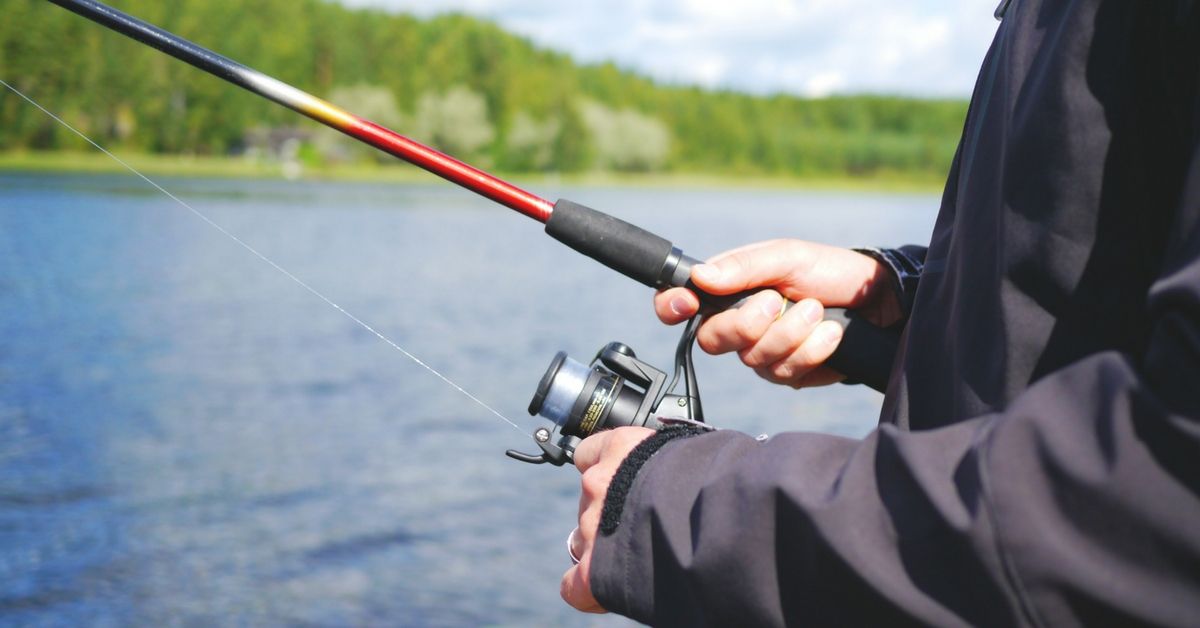
- Spinning rods are good for light lures and beginners.
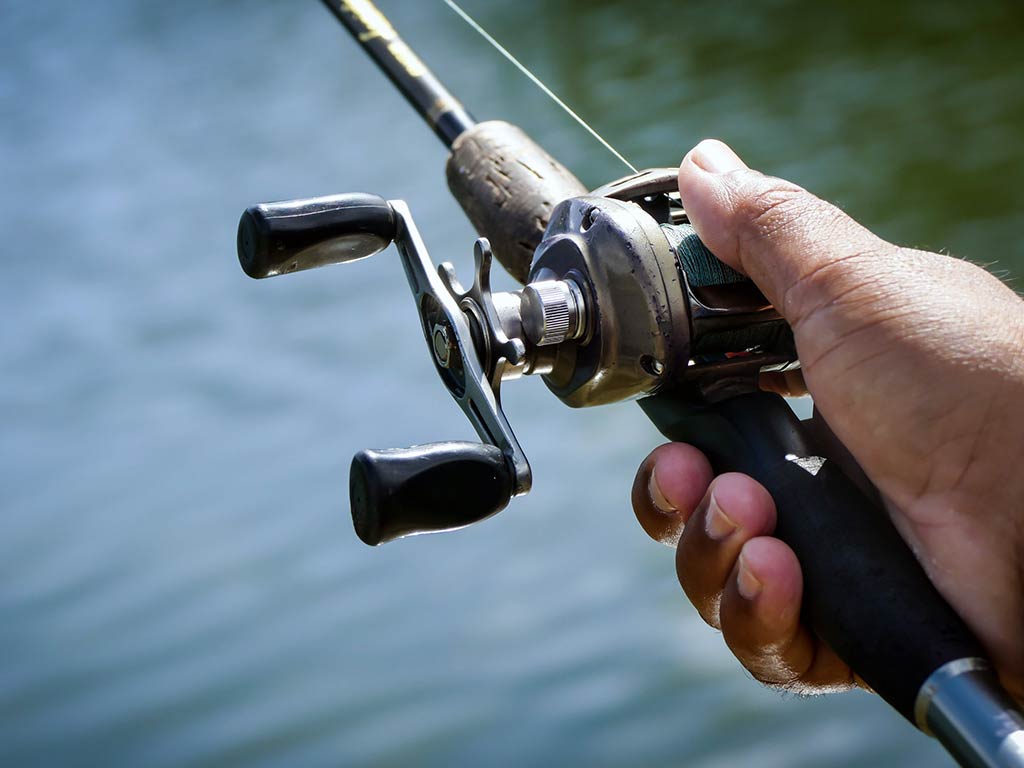
- Baitcasting rods offer control and power for bigger fish.
- Fly rods are used for fly fishing in rivers and streams.
- Telescopic rods are portable and easy to carry.
Matching Rod To Fish Species
Different fish need different rods. Match the rod to the fish size and strength.
| Fish Species | Recommended Rod Type | Rod Power |
| Trout | Fly rod | Light |
| Bass | Spinning or baitcasting rod | Medium |
| Catfish | Baitcasting rod | Heavy |
| Salmon | Spinning rod | Medium to heavy |
Rod Length And Power
Rod length affects casting distance and control. Power means how strong the rod is.
- Short rods (5-7 feet) give better control and accuracy.
- Long rods (8-12 feet) cast farther and are good for big waters.
- Light power rods suit small fish and light lures.
- Heavy power rods handle big fish and heavy baits.
Essential Gear And Setup
Using the right gear helps you throw a fishing rod with ease. A proper setup makes fishing more fun and effective.
This guide covers key parts of your gear. Focus on the reel, line, and lure or bait for a good start.
Selecting The Reel
Choose a reel that fits your fishing style. Spinning reels are good for beginners. Baitcasting reels offer more control but need practice.
- Pick a reel weight that feels comfortable in your hand.
- Check the reel’s drag system to control fish tension.
- Look for smooth line retrieval for easy casting.
- Match the reel size to your rod and the type of fish.
Picking The Line
Pick a fishing line that matches your reel and target fish. Lines come in different materials and strengths.
| Line Type | Best Use | Strength Range |
| Monofilament | General fishing, easy to handle | 6-20 lbs |
| Fluorocarbon | Clear water, less visible | 8-25 lbs |
| Braid | Heavy cover, strong fish | 15-50 lbs |
Attaching The Lure Or Bait
Attach the lure or bait securely to your line. Use the right knot to avoid losing fish.
- Use a clinch knot for most lures and hooks.
- Check that the lure moves freely on the line.
- Choose bait that matches the fish you want to catch.
- Keep bait fresh to attract more fish.
Casting Techniques
Casting is a key skill for fishing with a rod. It helps you place the bait where fish are likely to bite.
There are several ways to cast your rod. Each method suits different fishing situations and water conditions.
Overhead Cast
The overhead cast is the most common casting style. Hold the rod with both hands and lift it over your shoulder. Then, swing the rod forward quickly and release the line.
Sidearm Cast
The sidearm cast is useful when you need to cast under trees or low branches. Move the rod sideways instead of overhead. This gives a flatter cast that goes under obstacles.
- Hold the rod with one hand near the reel.
- Bring the rod to your side, parallel to the water.
- Swing the rod forward in a smooth motion.
- Release the line just before the rod points toward the target.
Roll Cast
The roll cast works well in tight spaces or when the line is stuck. This cast uses the water’s surface to help the line uncoil and fly forward.
| Action | Description |
| Lift rod | Pull the rod tip up and back to form a loop on the water |
| Swing forward | Move the rod forward smoothly |
| Release line | Let go of the line as the rod points to the target |
| Follow through | Guide the rod tip in the direction of the cast |
Perfecting Your Casting Form
Throwing a fishing rod with good form helps you cast farther and more accurately. It also keeps you from getting tired too fast.
Focus on the main parts of your cast to improve your technique. These include your grip, stance, backswing, forward swing, timing, and release.
Grip And Stance
Hold the rod firmly but not too tight. Your thumb should rest on top of the rod handle. Use your dominant hand to grip, and support the rod with your other hand.
Stand with your feet shoulder-width apart. Place your weight slightly on your back foot. Keep your knees relaxed and your body balanced.
- Grip rod comfortably with dominant hand
- Thumb rests on top for control
- Feet shoulder-width apart for balance
- Weight on back foot for power
Backswing And Forward Swing
Start your cast by lifting the rod backward smoothly. The rod tip should rise just above your shoulder. Keep your arm straight but relaxed.
Move the rod forward in a quick but controlled motion. Snap your wrist at the end to add speed. The rod should point toward your target.
- Lift rod tip above shoulder on backswing
- Keep arm straight and relaxed
- Move rod forward quickly but controlled
- Snap wrist to add speed
- Aim rod tip at target
Timing And Release
Watch the rod tip as you swing forward. Release the line when the rod is about 10 to 20 degrees past the vertical point. This helps the bait fly straight.
Practice your timing to avoid tangles and improve distance. A smooth release makes casting easier and more accurate.
- Focus on rod tip movement
- Release line just past vertical
- Keep release smooth and steady
- Practice timing for better casts
Common Casting Mistakes
Throwing a fishing rod seems easy, but many beginners make casting mistakes. These errors can reduce your catch chances.
Knowing common mistakes helps you improve and enjoy fishing more.
Overcasting And Undercasting
Overcasting happens when you cast too far beyond your target. It wastes energy and can cause tangles.
Undercasting means you do not throw far enough. This limits your fishing area and may scare fish away.
- Keep your arm movement smooth and controlled.
- Practice judging the right distance before casting.
- Use the right rod and line for the cast length.
Line Tangles And Snags
Line tangles slow you down and can break your line. They happen if you cast too fast or with wrong technique.
Snags occur when your line catches on underwater objects. They waste time and may lose your bait.
- Check your reel for smooth line release.
- Avoid sharp arm jerks during casting.
- Look for clear water areas to cast safely.
Ignoring Wind And Weather
Wind can push your line off course or cause tangles. Casting against strong wind makes control hard.
Bad weather affects your comfort and fishing success. Rain or cold can distract you and scare fish.
- Check weather before fishing.
- Adjust your casting angle to the wind.
- Use heavier lures in windy conditions.
Advanced Casting Tips
Throwing a fishing rod well takes practice and skill. Advanced tips can help you cast better.
These tips focus on improving your control, distance, and accuracy in different situations.
Casting In Different Conditions
Wind, rain, and obstacles change how you cast. Adjust your technique to match the conditions.
In strong wind, cast low to keep the line steady. In tight spots, use short, controlled casts.
- Windy: Keep rod low and use smooth, steady motion
- Rainy: Grip rod firmly and watch your footing
- Tight areas: Use sidearm or roll cast for space
Using Weight And Lure Effectively
Different weights and lures affect your cast. Choose the right combination for your fishing spot.
Heavier lures fly farther but need more force. Lighter lures require gentle casts to avoid tangles.
- Heavy lures: Use strong, fast casts
- Light lures: Use smooth, gentle casts
- Match lure weight to rod action for best control
Improving Distance And Accuracy
Good distance and accuracy come from practice and technique. Focus on your timing and rod movement.
Keep your wrist firm and use your whole arm. Release the line at the right moment to hit your target.
- Keep rod tip low during the cast
- Use smooth acceleration, not jerks
- Release line when rod points at target
- Practice short and long casts to improve control
Safety And Maintenance
Throwing a fishing rod needs care to stay safe. Keeping your gear in good shape helps you fish longer. This guide covers how to handle hooks and keep your rod and reel ready.
Following simple safety and maintenance steps can stop accidents and save money. Take time to learn these tips before your next fishing trip.
Handling Hooks Safely
Hooks are sharp and can cause injury if not handled carefully. Always watch where your hooks are and keep them away from your body and others.
Use pliers or a hook remover to take hooks out of fish or tangled lines. Store hooks in a secure box when not in use to avoid accidents.
- Keep hooks covered when not in use
- Never hold hooks by the point
- Use tools to remove hooks safely
- Be aware of people nearby when casting
Rod Care And Storage
Proper rod care extends its life and improves performance. Always clean your rod after fishing to remove dirt and salt.
Store your rod in a dry, cool place. Keep it straight or in a rod rack to avoid bends or damage. Check for cracks or loose parts before use.
- Rinse rod with fresh water after use
- Dry rod completely before storage
- Store rods vertically or in racks
- Inspect rod guides and joints regularly
Reel Maintenance Tips
Reels need regular cleaning and oiling to work smoothly. Remove dirt and sand from the reel after every use.
Lubricate moving parts with the right oil. Avoid over-oiling, which can attract dirt. Check the drag system and line condition often.
- Rinse reel with fresh water carefully
- Use reel oil for gears and bearings
- Do not over-lubricate the reel
- Replace fishing line if worn

Credit: www.aftco.com
Credit: mysterytacklebox.com
Frequently Asked Questions
How Do I Cast A Fishing Rod Properly?
To cast a fishing rod properly, hold the rod firmly and pull the line back. Then, swiftly move the rod forward, releasing the line at the right moment. Practice helps improve accuracy and distance while avoiding tangles or snags.
What Is The Best Technique To Throw A Fishing Rod?
The best technique involves a smooth, controlled motion. Use your wrist and arm to guide the rod forward. Keep your eyes on the target, and release the line when the rod is about 10 o’clock. This method maximizes distance and accuracy.
How Far Should I Throw My Fishing Rod?
Distance depends on your skill and rod type. Beginners should aim for 20-30 feet, while experienced anglers can cast 50 feet or more. Focus on accuracy before distance to improve your chances of catching fish.
When Is The Best Time To Practice Casting?
Early mornings or late afternoons offer calm conditions ideal for practice. Low wind and quiet surroundings help you focus on technique. Consistent practice in these conditions improves your casting skills efficiently.
Conclusion
Throwing a fishing rod well takes practice and patience. Start slow and focus on your grip and stance. Keep your movements smooth and steady to avoid tangles. Watch the line carefully as you cast to improve accuracy. Over time, your throws will become more natural and effective.
Enjoy the process and stay calm by the water. Fishing is about relaxation and having fun outdoors. Keep practicing, and you will see progress soon.