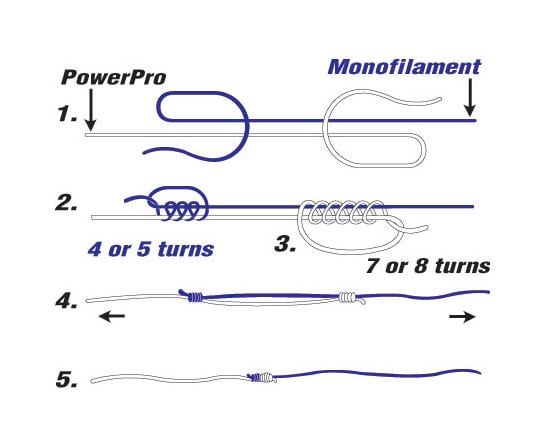
If you want your fishing line to hold strong and stay secure, knowing how to tie a braided fishing line knot is a must. You’ve probably experienced the frustration of knots slipping or breaking just when the big catch is on the line.
This guide will show you simple, step-by-step techniques that anyone can master. By learning these knots, you’ll boost your confidence and improve your chances of landing that prized fish every time. Ready to take your fishing skills to the next level?
Keep reading, because your perfect knot is just a few easy steps away.

Credit: www.reddit.com
Choosing The Right Knot
Tying the right knot is key for using braided fishing line well. It affects your catch rate and line strength.
This guide covers popular knots and what makes them strong and reliable for braided lines.
Popular Knots For Braided Line
Some knots work better than others with braided lines. The main ones are the Palomar, the Double Uni, and the FG knot.
- Palomar Knot:Easy to tie and strong, it keeps the line from slipping.
- Double Uni Knot:Good for joining two lines, especially braided to fluorocarbon.
- FG Knot:Thin and strong, perfect for connecting braid to a leader.
Strength And Reliability Factors
Choosing a knot depends on its strength, ease of tying, and how well it holds under pressure.
| Knot Type | Strength (%) | Ease of Tying | Slip Resistance |
| Palomar | 95% | Easy | High |
| Double Uni | 90% | Moderate | Moderate |
| FG Knot | 98% | Difficult | Very High |

Credit: www.wikihow.com
Preparing Your Line And Hook
Tying a strong braided fishing line knot starts with good preparation. Getting your line and hook ready helps the knot hold better.
Focus on trimming and cleaning your line first. Then choose the right hook and lure for your fishing needs.
Trimming And Cleaning The Line
Keep your braided line clean to avoid weak knots. Dirt and frayed fibers reduce strength.
- Cut off any frayed or worn parts of the line
- Use sharp scissors or a line clipper for a clean cut
- Wipe the line with a soft cloth to remove dirt or water
- Check the line for any damage along its length
- Replace the line if it shows signs of wear
Selecting Suitable Hooks And Lures
Pick hooks and lures that match your fishing style and target fish. The right hook size and shape make knot tying easier and more secure.
| Hook Type | Best For | Recommended Line Strength |
| Circle Hook | Catch and release fishing | 10-20 lb braid |
| J-Hook | General fishing | 15-30 lb braid |
| Treble Hook | Lures and bait fishing | 20-40 lb braid |
Step-by-step Knot Tying
Learning to tie a braided fishing line knot is essential for fishing. This guide will walk you through each step.
Follow these instructions to ensure your knot is strong and reliable. Let’s get started on tying your knot.
Starting The Knot
Begin by folding the end of the fishing line to create a loop. Hold the loop in one hand and the main line in the other.
Thread the loop through the eye of the hook or lure. This forms the base of your knot and ensures stability.
Wrapping Techniques
Wrap the loop around the main line five to seven times. Each wrap should sit neatly next to the previous one.
Hold the wraps in place to prevent them from unraveling. This part is crucial for the knot’s strength.
Securing The Knot
Pull the end of the loop through the initial loop you created. This will begin to tighten the knot.
Pull both ends of the line slowly to secure the knot. Trim any excess line to finish the process neatly.
- Ensure the knot is tight before use.
- Check the knot regularly while fishing.
- Practice makes perfect for a reliable knot.
Tips For Stronger Holds
Tying a braided fishing line knot correctly can prevent losing your catch. Strong holds depend on small but important steps. Follow these tips to improve your knot strength.
Each part of the process matters. From preparing the line to checking the knot, careful attention helps secure your fishing line better.
Moistening The Line
Before tightening the knot, moisten the braided line with water or saliva. This reduces friction and heat, protecting the line from damage. A wet knot tightens more smoothly and holds stronger.
Tightening Correctly
- Pull the tag end and main line slowly and evenly.
- Keep the knot aligned straight, not twisted.
- Apply steady pressure until the knot closes tightly.
- Stop tightening once the knot feels firm and secure.
Proper tightening keeps the knot compact and prevents slipping.
Testing Knot Strength
| Test Method | Purpose |
|---|---|
| Pull Test | Check if the knot holds under steady tension. |
| Shock Test | Apply quick, strong pulls to simulate fish strikes. |
| Visual Inspection | Look for slippage or damage in the knot. |
If the knot fails any test, retie it. Testing ensures safety before casting.
Common Mistakes To Avoid
Tying a braided fishing line knot requires care and attention. Small errors can cause your knot to fail.
Knowing common mistakes helps you tie stronger knots that hold better on the water.
Overlapping Wraps
Overlapping wraps happen when the line wraps over itself unevenly. This creates weak spots in the knot.
Make sure each wrap lies flat next to the last one. Avoid crossing the line over itself.
- Keep wraps neat and parallel
- Do not let wraps overlap or twist
- Use your fingers to smooth the wraps
Insufficient Tightening
Tighten the knot firmly to avoid slippage. Loose knots can come undone under pressure.
Pull the line slowly and evenly while tightening. Avoid sudden jerks that may damage the line.
- Tighten until the knot feels firm
- Keep tension while finishing the knot
- Test the knot by pulling gently before fishing
Ignoring Line Condition
Old or damaged braided line can break easily. Check your line before tying a knot.
Replace frayed or worn sections. Using good line helps the knot hold strong.
- Look for cuts or abrasions on the line
- Discard any line that looks weak or fuzzy
- Store your line properly to avoid damage
Maintaining Braided Line Knots
Braided fishing lines are strong but need care to keep knots reliable. Proper maintenance helps avoid line breaks and lost fish.
Checking and caring for your knots regularly ensures they hold tight during fishing trips.
Regular Inspections
Look at your braided line knots before and after each fishing session. Check for frays, loosening, or damage.
Inspect knots closely under good light. Feel the knot area for any weak spots or roughness.
- Look for worn fibers in the knot
- Check if the knot is tight and secure
- Watch for line slipping or changes in shape
- Test the knot gently by pulling
Re-tying When Necessary
Always re-tie your knots if you see damage or if the knot feels loose. A weak knot can break easily.
Use the same knot type to keep strength and reliability. Cut off old knots cleanly before tying new ones.
- Cut damaged knots off completely
- Moisten the line before tightening new knots
- Tighten knots slowly and firmly
- Trim excess line close to the knot

Credit: www.youtube.com
Frequently Asked Questions
What Is The Best Knot For Braided Fishing Line?
The Palomar knot is the best for braided line. It offers strong, reliable holds and resists slipping. This knot is easy to tie and maintains line strength well, making it ideal for braided fishing lines.
How Do You Tie A Braided Fishing Line Knot?
To tie a braided fishing line knot, double the line and pass it through the hook eye. Make a loop, wrap the tag end around the loop five times, then pass it back through the loop and tighten. This method ensures a secure knot.
Why Use A Special Knot For Braided Line?
Braided line is slippery and requires special knots for grip. Regular knots can slip or weaken braided lines. Using a specialized knot like the Palomar prevents line damage and improves fishing success.
Can I Use Braided Line Knots For Other Lines?
Yes, many braided line knots also work for mono or fluorocarbon lines. However, some knots perform better with specific lines. Always test knot strength before fishing to ensure security with your chosen line.
Conclusion
Tying a braided fishing line knot is simple with practice. Follow the steps carefully and take your time. A strong knot keeps your line secure while fishing. Try tying the knot a few times before you fish. Soon, it will feel natural and quick to do.
Remember, a good knot means better fishing success. Keep practicing, and enjoy your fishing trips more.