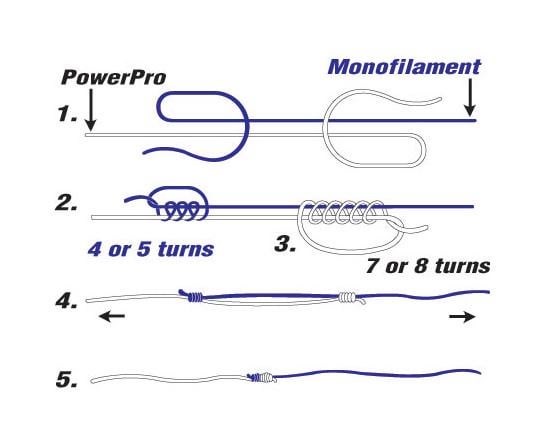
If you’ve ever struggled to tie a strong, reliable knot with braided fishing line, you’re not alone. Getting the right knot can make all the difference between landing your catch and losing it at the last moment.
In this guide, you’ll learn a simple, step-by-step method to tie a braided fishing line knot that won’t slip or break. Whether you’re a beginner or looking to improve your fishing skills, mastering this knot will boost your confidence and help you fish smarter.
Keep reading, and soon you’ll tie knots like a pro every time you cast your line.
Choosing The Right Knot
Tying a strong knot is important for braided fishing lines. The right knot keeps your line from slipping or breaking.
Different knots work better with braided lines. Knowing which knot to use helps you fish with confidence.
Best Knots For Braided Line
Some knots hold braided lines better than others. These knots prevent slipping and keep your line strong.
- Palomar Knot: Simple and strong for braided line
- Uni Knot: Easy to tie and holds well
- Double Uni Knot: Good for joining two lines
- Improved Clinch Knot: Common but less strong for braided line
- FG Knot: Best for connecting braid to leader
Factors Affecting Knot Strength
Knot strength depends on more than the knot type. How you tie and the line type matter a lot.
- Tightening the knot properly avoids slipping
- Lubricating the line before pulling reduces friction
- Using the right knot for braided line improves hold
- Line diameter affects knot strength and slip
- Wear and damage on the line weakens knots

Credit: www.wikihow.com
Preparing The Line
Preparing the braided fishing line correctly helps make a strong knot. This step is important for better fishing results.
Focus on trimming and moistening the line and avoid causing any damage. These actions protect the line’s strength.
Trimming And Moistening
Trim the braided line cleanly to avoid fraying. Use sharp scissors or a line cutter for a neat end.
- Cut the line at a right angle to create a smooth tip
- Remove any loose fibers before tying
- Moisten the line with water or saliva before tightening the knot
- Wet knots reduce friction and prevent heat damage
Avoiding Line Damage
| Cause of Damage | How to Avoid |
|---|---|
| Sharp edges on hooks | Check and smooth hook eyes before tying |
| Over-tightening knots | Tighten knots slowly and evenly |
| Using old or worn line | Inspect line and replace if frayed or weak |
| Excessive friction | Always moisten the line before pulling knots tight |
Step-by-step Knot Tying
Tying a strong knot with braided fishing line is important. It keeps your line safe and helps you catch fish.
This guide shows how to tie a braided fishing line knot in clear steps. Follow each step carefully for best results.
Forming The Loop
Start by making a small loop at the end of the braided line. Hold the loop between your fingers to keep it steady.
The size of the loop should be about two inches. This gives enough space for the next steps.
Wrapping The Tag End
Take the tag end, the short end of the line, and wrap it around the standing part of the line. Wrap it tightly and neatly.
Make about five to seven wraps. This makes the knot strong and prevents slipping.
- Keep wraps close together
- Wrap in one direction only
- Do not overlap wraps
Securing The Knot
Pull the tag end and the standing line slowly to tighten the knot. Make sure the wraps stay in place as you pull.
Check the knot by tugging it firmly. If it holds tight, trim the tag end close to the knot.

Credit: www.youtube.com
Testing Knot Strength
After tying a braided fishing line knot, you must test its strength. This step ensures your knot will hold during fishing.
Testing helps avoid lost fish and broken lines. Use simple methods to check if your knot is secure.
Pulling Techniques
To test the knot, pull the line firmly but steadily. Use your hands or a tool for better grip. Pull the line in different directions to check stability.
- Hold the line close to the knot.
- Pull the tag end and main line separately.
- Increase tension slowly until you feel resistance.
- Notice if the knot slips or loosens.
- Repeat the process several times for accuracy.
Signs Of Weakness
Look for these signs that show your knot may fail:
| Weakness Sign | What to Do |
| Knot slips under pressure | Retie the knot tighter and test again |
| Line frays near the knot | Trim damaged section and tie fresh knot |
| Knot feels loose or uneven | Re-tie with proper technique |
| Tag end pulls out easily | Leave a longer tag end and tighten more |
Tips For Durability
Tying a strong braided fishing line knot is important for lasting performance. Good habits help your knots hold better under pressure.
Here are key tips to keep your braided knots durable and reliable on every fishing trip.
Using Knot Tighteners
Knot tighteners help you pull the knot tight and secure. They reduce slippage and make sure the knot sets evenly.
- Use a knot tightener tool or a smooth stick to pull the knot tight.
- Apply steady pressure to avoid damaging the line.
- Moisten the knot before tightening to reduce friction and heat.
- Check that the knot is snug and no parts overlap incorrectly.
Regular Knot Maintenance
Keep your knots strong by checking them regularly. Worn or damaged knots can fail when you least expect it.
| Maintenance Tip | How to Do It | Frequency |
| Inspect for frays or cuts | Look closely at the knot and line near it | Before every fishing trip |
| Retighten knots | Moisten and pull tight again if needed | After heavy use or catching a big fish |
| Replace old knots | Cut and retie knots if line shows wear | Every few weeks or after damage |

Credit: www.reddit.com
Common Mistakes To Avoid
Tying a braided fishing line knot can be tricky for beginners. Avoiding common mistakes helps make your knot strong and reliable.
Some errors can cause the knot to slip or break easily. Learning what not to do saves time and frustration.
Overtightening
Pulling the knot too tight can damage the braided line. It can cut into the fibers and weaken the knot.
Always tighten the knot gently and evenly. Avoid yanking or jerking the line hard after tying.
- Overtightening weakens the line
- It may cause the knot to break under pressure
- Use steady, even pressure when tightening
Insufficient Wraps
Not wrapping the line enough times makes the knot weak. The knot may slip or come undone easily.
Make sure to wrap the line around the hook or lure at least five to seven times. More wraps increase knot strength.
- Too few wraps cause the knot to slip
- Five to seven wraps are usually best
- More wraps add extra grip and security
Frequently Asked Questions
What Is The Best Knot For Braided Fishing Line?
The Palomar knot is ideal for braided fishing line. It is strong, simple, and maintains line strength. This knot resists slipping, making it reliable for braided lines.
How Do I Prevent Braided Line From Slipping?
Use knots like the Double Uni or Palomar knot. These knots create strong loops that grip well. Properly wet and tighten the knot to secure it firmly.
Can I Use Monofilament Knots On Braided Line?
Monofilament knots often slip on braided lines. Braided lines require knots like Palomar or Double Uni. These knots handle the thinner, slick texture of braid better.
How Many Wraps Are Needed For Braided Line Knots?
Typically, 4 to 6 wraps are enough for braided lines. More wraps increase friction and knot strength. Avoid too many wraps to prevent bulky knots.
Conclusion
Tying a braided fishing line knot doesn’t have to be difficult. Practice makes it easier over time. Remember the steps and take your time. Each knot you tie builds skill. Secure knots keep your catch safe. Always double-check your work.
Feel free to experiment with different knots. Find what works best for you. A well-tied knot can make your fishing trip successful. Enjoy your time by the water. Good knots contribute to a great fishing experience. Happy fishing!