If you want to improve your fishing game, knowing how to tie a bullet weight on your fishing line is a must. This simple skill can make a huge difference in how well your bait sinks and how far you can cast.
Whether you’re a beginner or have some experience, mastering this knot will give you better control and increase your chances of catching more fish. Stick with me, and by the end of this article, you’ll be confident tying a bullet weight quickly and securely every time.
Let’s get started!
Choosing The Right Bullet Weight
Choosing the right bullet weight is important for fishing success. It helps your bait sink properly and stay in the right spot. Different fishing situations need different weights.
This guide explains how to pick the right bullet weight. You will learn about types, size selection, and materials used for bullet weights.
Types Of Bullet Weights
Bullet weights come in several types. Each type works best for specific fishing styles and water conditions. Choose the type that fits your needs.
- Standard Bullet Weights:Most common shape, easy to slide on the line.
- Rubber Coated Weights:Quiet and less likely to spook fish.
- Heavy Duty Weights:Used in strong currents or deep water.
- Split Shot Bullet Weights:Small and adjustable for delicate presentations.
Selecting Weight Size
Selecting the right size depends on your fishing conditions. The weight must sink your bait but not too fast. Consider water depth, current speed, and bait type.
- Light weights work well in calm water or shallow spots.
- Medium weights suit moderate currents and average depths.
- Heavy weights are best for deep water or strong currents.
- Adjust weight size if your bait moves too fast or too slow.
Materials And Durability
Bullet weights are made from different materials. Each material has benefits and affects durability and environmental impact.
| Material | Durability | Environmental Impact |
| Lead | High | Can be toxic to wildlife |
| Tungsten | Very High | Less toxic but expensive |
| Steel | Moderate | Non-toxic but can rust |
| Brass | High | Non-toxic and durable |
Essential Tools And Materials
Tying a bullet weight on a fishing line is simple. You need the right tools and materials to do it correctly. This guide will help you choose the best gear for the job.
Understanding the types of fishing lines and additional gear required is important. Let’s explore the essentials you will need.
Fishing Line Types
Different fishing lines suit different fishing environments. Choose the line that fits your needs.
- Monofilament: Good for beginners, stretches to absorb shock.
- Braided: Strong and thin, good for heavy cover.
- Fluorocarbon: Invisible underwater, great for clear water.
Additional Gear Needed
Besides the line, other tools help secure the bullet weight. Having these makes the process smoother.
- Bullet weights: Choose the right size for your fishing conditions.
- Scissors: For cutting the line to the desired length.
- Swivels: Prevent line twists and improve lure action.
- Needle-nose pliers: Helpful for tightening knots securely.
Preparing The Fishing Line
Before tying a bullet weight on your fishing line, it is important to prepare the line properly. This helps ensure a strong hold and better fishing experience.
Start by measuring the right length and checking your line for any damage or wear. These steps will make your setup more reliable.
Measuring And Cutting Line
Measure the fishing line to the length you need for your fishing style and rod. Use sharp scissors or a line cutter to make a clean cut. A clean cut prevents fraying and slipping of knots.
- Use a ruler or tape to measure the line length.
- Mark the line lightly if needed for accuracy.
- Cut the line straight and cleanly with sharp scissors.
- Avoid crushing or tearing the line while cutting.
Checking Line Condition
Check your fishing line for any signs of damage before tying. Look for frays, nicks, or weak spots that can break under tension.
| Line Issue | What to Look For | Action Needed |
|---|---|---|
| Fraying | Loose or fuzzy fibers | Cut off damaged section |
| Nicks | Small cuts or scratches | Remove and replace if severe |
| Discoloration | Faded or brittle spots | Replace line if brittle |
| Tangles | Knots or loops | Untangle carefully or cut |

Credit: www.youtube.com
Step-by-step Tying Process
Tying a bullet weight on a fishing line helps your bait sink properly. It also keeps your rig neat and strong. Follow these steps to tie the bullet weight securely.
Use simple knots and make sure the weight slides smoothly on the line. This guide shows you how to do it right every time.
Threading The Bullet Weight
Start by taking your fishing line and threading it through the narrow end of the bullet weight. Make sure the weight is pointed the correct way so it will slide freely.
Check that the weight moves easily up and down the line before you tie the knot. This helps the rig work well in water.
Creating The Knot
Use a strong knot like the Palomar knot to secure the bullet weight. This knot holds tight and is easy to tie.
- Double about 6 inches of line and pass it through the eye of your hook or swivel.
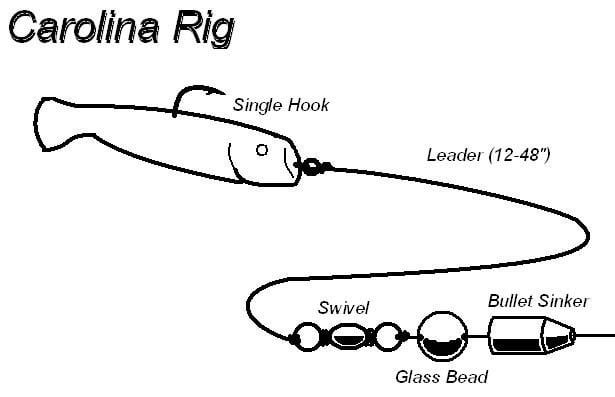
- Slide the bullet weight onto the doubled line.
- Tie a loose overhand knot with the doubled line, leaving a loop.
- Pass the loop over the bullet weight and pull it tight.
- Trim any extra line close to the knot.
Securing And Tightening
Make sure to wet the knot with water or saliva before pulling it tight. This prevents the line from weakening.
| Action | Reason |
|---|---|
| Wet the knot | Reduces friction and strengthens the line |
| Tighten slowly | Ensures the knot sets firmly without slipping |
| Trim excess line | Prevents snagging and keeps the rig neat |
Common Mistakes To Avoid
Tying a bullet weight on a fishing line seems easy. Still, many make mistakes that cause problems. These mistakes affect your fishing success.
Knowing common errors helps you tie better knots and place weights correctly. This guide covers two major mistakes to avoid.
Loose Knots
A loose knot can slip or come undone when you cast or reel in. This means losing your weight or even the fish.
Make sure to pull the knot tight and wet the line before tightening. This prevents friction and helps the knot hold better.
- Always pull the knot firmly but gently
- Wet the line with water or saliva before tightening
- Check the knot after tying to ensure it is secure
- Practice knots to gain confidence and strength
Incorrect Weight Placement
Placing the bullet weight too close or too far from the hook can reduce your bait’s movement. This lowers your chances of catching fish.
Put the weight at a good distance to let the bait move naturally. Too close makes the bait stiff. Too far reduces sensitivity.
- Place the weight about 6 to 12 inches from the hook
- Adjust placement based on water depth and current
- Test different distances to find what works best
- Ensure the weight slides freely but stays in place

Credit: mysterytacklebox.com
Testing The Knot Strength
After tying a bullet weight on your fishing line, it is important to test the knot strength. This ensures the knot will hold during fishing and not break under pressure.
Testing the knot helps you avoid losing your weight or fish. It also gives you confidence in your setup before casting.
Pull Test Techniques
Pull testing is a simple way to check if your knot is strong. Hold the line firmly and pull slowly. Increase the force until you feel resistance or the knot slips.
You can also use a scale to measure the knot’s breaking strength. This method is more precise and shows if the knot holds the weight’s load.
- Hold the line near the knot with one hand.
- Pull the free end with steady pressure.
- Watch for slipping or loosening of the knot.
- Use a scale to check maximum tension.
Adjusting For Security
If the knot slips or feels weak, adjust it for better security. Tighten the knot by pulling the tag end and main line firmly. Make sure the knot is neat and not twisted.
Adding an extra wrap or two in the knot can increase its strength. Trim any excess line close to the knot to avoid snagging but leave a small tag end for safety.
- Retie the knot if it slips during the pull test.
- Add extra wraps for stronger grip.
- Keep the knot tight and clean.
- Trim the tag end but leave about 1/8 inch.
Tips For Effective Fishing With Bullet Weights
Tying a bullet weight correctly helps improve your fishing experience. Bullet weights are useful for casting and keeping your bait near the bottom.
Knowing how to use bullet weights can make your fishing more effective and enjoyable.
Casting Techniques
Using bullet weights allows for longer and more accurate casts. Attach the weight so it slides freely on your line. This setup helps your bait reach the desired depth quickly.
- Pinch the narrow end of the bullet weight to keep it in place.
- Use a swivel or bead after the weight to protect your knot.
- Practice smooth casting to avoid tangles.
- Adjust your casting distance based on the fishing spot.
Adjusting For Water Conditions
Water flow and clarity affect how you use bullet weights. Heavier weights work well in fast currents. Lighter weights suit calm waters. Adjust your setup to match conditions.
| Water Condition | Recommended Bullet Weight | Tip |
| Fast Current | 1/2 oz or heavier | Use heavier weights to hold bait in place |
| Slow Current | 1/8 to 1/4 oz | Use lighter weights for natural bait movement |
| Clear Water | Light to medium weight | Keep bait subtle and natural |
| Muddy Water | Medium to heavy weight | Help bait reach bottom quickly |

Credit: www.amazon.ca
Frequently Asked Questions
How Do You Tie A Bullet Weight On A Fishing Line?
To tie a bullet weight, thread the line through the weight’s narrow end first. Then, tie a strong knot like the improved clinch knot below it. This setup ensures the weight slides freely, improving bait presentation and casting distance.
What Is The Best Knot For Bullet Weights?
The improved clinch knot is ideal for bullet weights. It’s strong, easy to tie, and reliable. This knot secures the weight while allowing it to slide smoothly on the line, perfect for fishing techniques like Texas rigging.
Can Bullet Weights Damage Fishing Lines?
Bullet weights rarely damage fishing lines if tied properly. Use appropriate line strength and avoid sharp edges on weights. Regularly check knots and line condition to prevent breakage during fishing.
Why Use A Bullet Weight On My Fishing Line?
Bullet weights help your bait sink quickly and maintain depth. They improve casting distance and reduce line tangles. These weights are great for fishing in heavy cover or deep waters.
Conclusion
Tying a bullet weight on a fishing line is simple and useful. It helps your bait sink faster and reach the right spot. Practice the knot a few times to get comfortable. Strong knots keep your line from breaking during a catch.
Always check your knot before you fish. This small skill can improve your fishing experience a lot. Keep your gear ready and enjoy your time by the water. Fishing gets easier with each try. Just keep tying and casting!