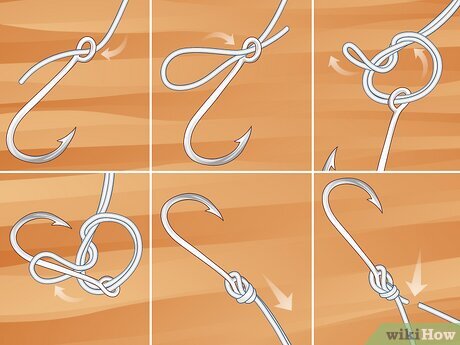
If you want to catch more fish, knowing how to tie a fish hook on a line is one of the most important skills you need. A strong, secure knot keeps your hook in place and stops you from losing big catches.
Whether you’re a beginner or have some experience, this guide will show you simple steps to master this essential technique. Keep reading, and you’ll soon feel confident tying your hook quickly and correctly every time. Your next fishing trip just got a lot more promising!

Credit: n1outdoors.com
Choosing The Right Hook And Line
Fishing is more fun with the right hook and line. You need to know which hook and line to use for a good catch.
This guide will help you choose the best hook and line. Learn about different types and how they work together.
Types Of Fishing Hooks
Hooks come in many shapes and sizes. Each type is for different fish and fishing styles.
Choose a hook based on the fish you want to catch. Some hooks are better for small fish, others for big fish.
- J-hook: Good for most fish
- Circle hook: Helps catch fish safely
- Treble hook: Used for lures and bigger fish
Selecting Suitable Fishing Line
Lines also come in different types. Picking the right line is important for successful fishing.
Consider the water, fish, and fishing method. Different lines work better in different situations.
- Monofilament: Easy to use, good for beginners
- Braided line: Strong and thin, good for deep water
- Fluorocarbon: Invisible in water, great for clear water
Matching Hook And Line Strength
Hooks and lines need to match in strength. This helps you catch fish without losing them.
Check the weight of your line and hook. They should be strong enough for the fish you aim to catch.
- Use strong hooks for heavy lines
- Light lines need lighter hooks
- Balance is key for successful fishing

Credit: www.ohero.com
Essential Knot Types For Fishing
Tying the right knot is key to keeping your hook secure. Good knots hold strong and do not slip.
Here are three popular knots that every angler should know. Each works well for different types of fishing lines and hooks.
Improved Clinch Knot
The Improved Clinch Knot is simple and strong. It works great with monofilament and fluorocarbon lines.
To tie it, thread the line through the hook eye and wrap it around five to seven times. Then, pass the tag end through the small loop near the eye and back through the big loop.
- Thread line through hook eye
- Wrap line 5-7 times around standing line
- Pass tag end through small loop near eye
- Pass tag end through big loop
- Pull tight and trim excess
Palomar Knot
The Palomar Knot is very strong and easy to tie. It works well with braided and monofilament lines.
Double the line and pass the loop through the hook eye. Tie a loose overhand knot, then pass the hook through the loop. Pull tight to secure.
- Double the line and pass loop through hook eye
- Tie a loose overhand knot with doubled line
- Pass hook through the loop
- Pull both ends to tighten knot
- Trim the tag end
Uni Knot
The Uni Knot is versatile and works with many lines. It is easy to tie and holds well under pressure.
Pass the line through the hook eye and double back. Wrap the tag end around the doubled line five times. Pull the tag end to tighten the coils and slide the knot down.
- Pass line through hook eye and double back
- Wrap tag end around doubled line 5 times
- Pull tag end to tighten wraps
- Slide knot down close to hook eye
- Trim the tag end
Step-by-step Knot Tying Techniques
Tying a fish hook securely is essential for successful fishing. Good knots keep your hook tight and prevent losing fish.
This guide explains three popular knots you can use. Each knot is easy to learn and reliable on the water.
Tying The Improved Clinch Knot
The Improved Clinch Knot is strong and simple. It works well with most fishing lines and hooks.
- Pass the line through the hook eye.
- Wrap the tag end around the standing line 5-7 times.
- Thread the tag end through the small loop near the hook eye.
- Then pass it through the big loop created.
- Moisten the knot and pull both ends tight.
Tying The Palomar Knot
The Palomar Knot is very strong and easy to tie. It works great with braided lines and soft lures.
- Double about 6 inches of line and pass it through the hook eye.
- Tie a loose overhand knot with the doubled line.
- Pass the hook through the loop of the overhand knot.
- Pull the doubled line to tighten the knot around the hook.
- Trim the tag end close to the knot.
Tying The Uni Knot
The Uni Knot is versatile and strong. It can join line to hook or connect two lines together.
- Pass the line through the hook eye and double back.
- Make a loop by laying the tag end along the doubled line.
- Wrap the tag end around the doubled line and through the loop 5-6 times.
- Moisten the knot and pull the tag end to tighten the coils.
- Slide the knot down to the hook eye and pull the standing line tight.

Credit: greensafaris.com
Tips For Strong And Secure Knots
Tying a fish hook securely to your line is important for a good catch. A strong knot keeps your hook from slipping off.
Use these tips to make sure your knots stay tight and hold up well while fishing.
Moistening The Line
Before tightening your knot, wet the fishing line with water or saliva. This reduces friction and heat.
Moistening helps the line slide smoothly and prevents damage or weakening.
- Wet the line lightly before pulling the knot tight
- Use clean water or natural saliva
- Avoid dry tightening to protect the line
Trimming Excess Line
After tying your knot, cut off the extra line close to the knot. This keeps the knot neat and secure.
Leave a small tail to prevent the knot from slipping, but not too long to tangle or catch debris.
- Use sharp scissors or nail clippers
- Cut about 1/8 inch from the knot
- Check the trimmed area for any loose ends
Testing Knot Strength
Pull the line firmly after tying to test if the knot holds well. It should not slip or loosen.
Test your knot by applying steady pressure. A strong knot stays tight under tension.
- Pull gently at first, then harder
- Look for any slipping or loosening
- Retie the knot if it feels weak
Common Knot Mistakes To Avoid
Tying a fish hook correctly is key for a strong catch. Many anglers make simple mistakes that weaken their knots.
Knowing what to avoid helps you tie better knots and keep your line secure. Here are common errors to watch out for.
Skipping Tightening Steps
Not tightening the knot properly can cause it to slip or come undone. Each tightening step locks the knot in place.
- After making the loops, pull the tag end slowly to tighten.
- Wet the knot before final tightening to reduce friction.
- Pull the main line and tag end firmly to secure the knot.
Using Damaged Line
Using a frayed or weak line lowers knot strength. Small cuts or rough spots reduce the line’s holding power.
| Type of Damage | Effect on Knot |
|---|---|
| Frayed strands | Breaks under tension |
| Abrasions | Weakens knot grip |
| Sun-damaged line | Becomes brittle and breaks easily |
Incorrect Knot Selection
Choosing the wrong knot for the line or hook size can cause knot failure. Some knots suit certain lines better than others.
- Use the improved clinch knot for monofilament lines.
- Try the Palomar knot for braided lines.
- Avoid complicated knots for thin or slippery lines.
- Match the knot type to your fishing conditions and gear.
Maintaining Knots For Durability
Tying a fish hook on a line is only part of the process. Keeping the knot strong is very important. A durable knot will hold better and keep you fishing longer.
Regular care and checks help you avoid losing fish or damaging your gear. This guide covers simple ways to maintain your knots for lasting strength.
Regular Knot Inspections
Check your knots often during your fishing trip. Look for signs of wear like fraying or loosening. Even small damage can weaken the knot.
- Pull gently on the line to test the knot’s tightness.
- Look for any broken strands or cuts in the line.
- Make sure the knot is not slipping or moving.
- Replace knots that show damage before you continue fishing.
Retying After Heavy Use
After catching a big fish or using the same knot for a long time, retie the hook. Heavy use can weaken the line even if it looks fine.
| When to Retie | Reason |
| After landing large fish | Line stress causes hidden damage |
| After long fishing sessions | Knots may loosen or weaken |
| If line feels rough or stiff | Line may be worn out |
Storing Tied Hooks Properly
Keep tied hooks safe by storing them correctly. Proper storage stops knots from getting damaged or tangled.
- Store fishing lines with tied hooks in a dry place.
- Use small containers or tackle boxes to keep hooks separated.
- Keep lines coiled loosely to avoid twisting the knots.
- Check stored knots regularly for any signs of damage.
Frequently Asked Questions
How Do I Tie A Strong Fishing Hook Knot?
To tie a strong fishing hook knot, use the improved clinch knot. Thread the line through the eye, wrap it around five times, pass the end through the loop near the eye, then back through the big loop. Tighten and trim the excess line.
What Is The Easiest Knot To Tie A Fish Hook?
The Palomar knot is the easiest to tie a fish hook. It involves doubling the line, passing it through the hook eye, tying an overhand knot, and pulling the loop over the hook. This knot is strong and simple for beginners.
How Can I Prevent My Fishing Line From Slipping?
To prevent line slipping, ensure the knot is tight and moist before pulling. Use knots like the improved clinch or Palomar knot. Also, leave enough tag end when tying and trim excess line close to the knot.
When Should I Retie My Fish Hook Knot?
Retie your fish hook knot if the line frays, weakens, or after catching a big fish. Regularly inspect knots before fishing to avoid losing your catch. Retying ensures strength and reliability on the water.
Conclusion
Tying a fish hook on a line is simple with practice. Use clear steps and tight knots for best results. A strong knot keeps your hook secure while fishing. Try different knots to see what works for you. Keep your line neat and check knots before casting.
With patience, your fishing skills will improve daily. Enjoy the process and happy fishing!