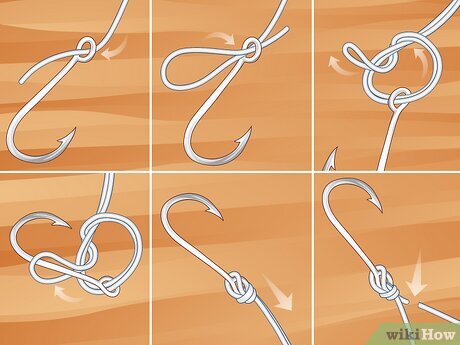
Tying a fish hook on your line might seem simple, but doing it the right way can make all the difference between landing a big catch or losing it. If you want your fishing to be more successful, you need a strong, reliable knot that won’t slip or break.
This guide will show you exactly how to tie a fish hook on your line step-by-step. By the end, you’ll have the confidence to secure your hook quickly and correctly every time. Ready to improve your fishing skills and catch more fish?
Let’s dive in!
Choosing The Right Knot
Tying a fish hook securely to the line is key for a successful catch. The right knot keeps the hook firm and stops the line from slipping.
Different knots work better for certain lines and hooks. Knowing which knot to use helps you fish with confidence.
Popular Knot Types
Anglers use many knot types to tie hooks. Some knots are simple, while others are strong and reliable.
- Improved Clinch Knot
- Pallet Knot
- Uni Knot
- Snell Knot
Each knot has a special way to tie and works well in different fishing situations.
Knot Strength Comparison
Knot strength is how much force a knot can hold before breaking. Stronger knots keep the hook from coming loose.
| Knot | Strength (%) | Notes |
|---|---|---|
| Improved Clinch Knot | 85% | Good for light to medium lines |
| Palomar Knot | 95% | Very strong and easy to tie |
| Uni Knot | 90% | Versatile for many line types |
| Snell Knot | 92% | Best for bait hooks |
| Pallet Knot | 88% | Simple but less common |
Best Knots For Beginners
New anglers should start with knots that are easy to learn and tie quickly. These knots also hold well on most lines.
- Improved Clinch Knot: Easy and reliable
- Palomar Knot: Simple and very strong
- Uni Knot: Good for practice and many uses
Practicing these knots helps beginners feel ready for fishing trips.
Preparing The Line And Hook
Tying a fish hook to the line starts with good preparation. This helps the knot hold strong and keeps your fishing gear ready.
Focus on selecting the right line, trimming it properly, and checking the hook before tying. These steps make a big difference.
Selecting The Line Type
Choose a fishing line that fits your fishing style. Lines vary by strength, stretch, and material.
- Monofilament: stretchy and easy to handle
- Fluorocarbon: less visible underwater
- Braid: very strong and thin
Use a line that matches the size of the fish you want to catch. Stronger lines work for bigger fish.
Trimming The Line End
Cut the line end cleanly before tying. Frayed or uneven ends can cause weak knots.
| Tool | Purpose |
| Scissors | Cut smooth line ends |
| Line Clippers | Trim close to knot |
| Knife | Slice tough or braided lines |
Inspecting The Hook
Check the hook before tying it on. Look for rust, sharpness, and damage.
Use this quick checklist to inspect your hook:
- Is the hook point sharp? Use a file if dull.
- Is the hook free of rust or dirt?
- Does the hook eye open easily for the line?
- Is the hook size right for your bait and target fish?
Tying The Improved Clinch Knot
The Improved Clinch Knot is a popular and strong way to tie a fishing hook to your line. It holds well and is simple to learn.
This guide will help you tie the knot step-by-step, avoid common mistakes, and test its security before fishing.
Step-by-step Instructions
Thread the line through the eye of the hook.
Wrap the tag end around the standing line five times.
Pass the tag end through the small loop near the hook eye.
Then pass the tag end through the big loop you just made.
Moisten the knot with water or saliva to reduce friction.
Pull the standing line slowly to tighten the knot.
Trim the tag end close to the knot.
Common Mistakes To Avoid
Not wetting the knot before tightening can cause line damage.
Wrapping too few or too many times weakens the knot.
Failing to pull the knot tight enough leads to slippage.
Cutting the tag end too short can cause the knot to unravel.
Using a worn or frayed line reduces knot strength.
Testing Knot Security
| Test | What to Do | Expected Result |
|---|---|---|
| Pull Test | Pull the line hard near the knot. | The knot should hold tight without slipping. |
| Water Test | Wet the knot and pull again. | No loosening or weakening should occur. |
| Visual Check | Look for twists or gaps in the knot. | The knot should be neat and snug. |

Credit: greensafaris.com
Tying The Palomar Knot
Tying a fish hook securely is important for successful fishing. The Palomar knot is a popular choice for its strength and simplicity.
This knot works well with braided and monofilament lines. It keeps your hook from slipping off during a catch.
Step-by-step Instructions
Follow these simple steps to tie the Palomar knot on your fishing line.
- Double about 6 inches of line and pass it through the hook eye.
- Tie a loose overhand knot with the doubled line, leaving the hook hanging.
- Pass the hook through the loop of the overhand knot.
- Pull the doubled line to tighten the knot around the hook.
- Trim the tag end close to the knot for a clean finish.
Advantages Of The Palomar Knot
The Palomar knot is strong and holds well under pressure. It is also quick and easy to tie, even in low light.
This knot works well with many types of fishing lines. It keeps the line’s strength and reduces slippage.
- High strength and reliability
- Simple and fast to tie
- Works with braided and monofilament lines
- Low chance of slipping
When To Use This Knot
Use the Palomar knot when you need a strong and fast knot. It is great for attaching hooks, lures, and swivels.
This knot is ideal for fishing in freshwater and saltwater. It works well for all fishing skill levels.
- When attaching a hook to the line
- When using braided or monofilament line
- For saltwater and freshwater fishing
- When you want a quick, reliable knot
Tying The Loop Knot
Tying a loop knot is important for fishing. It creates a strong loop that lets the hook move freely.
This knot is easy to tie and works well with many types of fishing lines and hooks.
Step-by-step Instructions
Start by making a small loop in the line near the hook eye.
Pass the tag end of the line through the loop two times to form twists.
Take the tag end and pass it through the big loop you first made.
Pull the tag end slowly while holding the hook to tighten the knot.
Trim the extra line close to the knot, but leave a small tail.
Benefits Of A Loop Knot
The loop knot lets the hook move freely, making bait look natural.
This knot is strong and less likely to slip or break under pressure.
- Keeps bait movement natural
- Strong and secure hold
- Easy to tie and adjust
- Works with many line types
Suitable Fishing Situations
Use the loop knot when fishing for species that notice bait movement.
This knot works well in freshwater and saltwater fishing with live or artificial bait.
- Fishing with live bait
- Using soft plastic lures
- Targeting fish that watch bait closely
- When hook movement improves catch rate
Tips For Knot Durability
Tying a fish hook securely is key for a successful fishing trip. Strong knots keep the hook in place and prevent losing fish.
Use these tips to improve knot durability and make sure your fishing line holds tight.
Moistening The Line
Before tightening your knot, wet the fishing line with water or saliva. This reduces friction and helps the knot tighten smoothly.
Dry lines can weaken and cut under pressure. Moistening protects the line and keeps the knot strong.
Proper Tightening Techniques
Tighten your knot slowly and evenly to avoid damaging the line. Pull the tag end and main line at the same time.
- Wet the line before tightening
- Pull both ends gently but firmly
- Do not jerk or snap the line
- Make sure the knot coils neatly
- Check for any twists or overlaps
Regular Knot Inspection
| Inspection Point | What to Check | Action if Damaged |
|---|---|---|
| Friction Points | Look for line wear or thinning | Retie the knot with fresh line |
| Knot Tightness | Check if knot slips under pressure | Tighten or remake the knot |
| Line Condition | Inspect for cuts or cracks near the knot | Replace damaged section of line |
Troubleshooting Knot Issues
Tying a fish hook knot can be tricky at times. Problems like slipping knots, line frays, or breakage can stop your fishing quickly.
This guide helps you fix common knot issues. It will improve your fishing experience and save your gear.
Fixing Slipped Knots
Slipped knots happen when the knot does not hold tight. This can cause you to lose the fish or your hook.
To fix slipped knots, try these tips:
- Use more wraps around the hook eye before tightening.
- Moisten the line before pulling the knot tight to reduce friction.
- Choose knots known for strong holding power, like the Palomar knot.
- Check the knot after tying by pulling firmly to test its grip.
Dealing With Line Frays
Line frays weaken your fishing line near the knot. Frayed lines can break easily and cause lost fish.
| Cause | Solution |
|---|---|
| Sharp edges on the hook eye | File the hook eye smooth before tying |
| Repeated knot tying in the same spot | Cut old line and start fresh with a new section |
| Using worn or old fishing line | Replace with new line regularly |
| Tightening the knot too fast or dry | Wet the line before tightening slowly |
Re-tying After Breakage
If your line breaks, remove the damaged section before re-tying. This keeps your line strong.
- Cut off the broken or weak part of the line.
- Check the hook for damage or sharp points.
- Choose a reliable knot like the Improved Clinch or Palomar knot.
- Moisten the line before pulling the knot tight.
- Test the knot by pulling firmly to ensure it holds.

Credit: n1outdoors.com

Credit: www.ohero.com
Frequently Asked Questions
How Do I Tie A Fish Hook On The Line Securely?
To tie a fish hook securely, use the improved clinch knot. Pass the line through the hook eye, wrap it five times, then thread it back through the loop. Pull tight and trim the excess line for a strong, reliable hold.
What Is The Best Knot For Fishing Hooks?
The improved clinch knot is the best for fishing hooks. It is strong, easy to tie, and works well with most fishing lines. This knot keeps the hook firmly attached and minimizes the risk of slipping during a catch.
How Tight Should I Pull The Fishing Knot?
Pull the fishing knot tight enough to snug the line against the hook eye. Avoid pulling too hard to prevent line damage. A firm, steady pull ensures the knot is secure and ready to handle the strain of fishing.
Can I Use Any Fishing Line To Tie Hooks?
Yes, you can tie hooks with most fishing lines, including monofilament, fluorocarbon, and braided lines. Choose the knot that suits your line type for best results. Ensure the knot is tight and properly trimmed to prevent slippage.
Conclusion
Tying a fish hook can be simple and fun. With practice, you’ll gain confidence. The steps are straightforward and easy to remember. Always ensure your knot is tight and secure. This helps prevent losing your catch. Choose the right knot for your fishing line.
Different lines need different knots. Practice makes perfect, so keep trying. Soon, you’ll do it without thinking. Enjoy your time fishing. It’s a relaxing and rewarding hobby. Happy fishing!