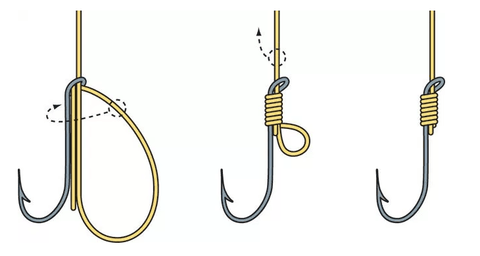
Tying a fishing hook to your line might seem simple, but doing it the right way can make all the difference between a great catch and a lost fish. If you want your fishing setup to be strong and reliable, mastering this skill is essential.
In this guide, you’ll learn easy steps that anyone can follow, even if you’re new to fishing. By the end, you’ll feel confident tying your hook quickly and securely every time. Ready to improve your fishing game? Let’s dive in!
Choosing The Right Fishing Line
Picking the right fishing line helps you catch fish easier. It affects how strong your setup is and how the line behaves in water.
Different lines work best for different fish and fishing spots. Knowing your options lets you tie a hook that holds well and lasts long.
Types Of Fishing Lines
Fishing lines come in many types. Each type has unique traits and uses. Choose based on your fishing style and target fish.
- Monofilament:Made of one nylon strand. It stretches well and is easy to handle.
- Fluorocarbon:Almost invisible underwater. It sinks faster and resists abrasion.
- Braid:Made from many fibers woven together. It is very strong and thin.
Factors To Consider
Choose a fishing line by thinking about strength, visibility, and stretch. These affect how well your hook stays tied and how fish react.
| Factor | What to Check | Why It Matters |
| Breaking Strength | How much weight line can hold | Prevents line from snapping on big fish |
| Visibility | How easy fish see the line | Clear lines catch more cautious fish |
| Stretch | How much the line can stretch | Absorbs shocks and keeps hook secure |
| Durability | Resistance to wear and sun damage | Lasts longer and holds knot better |
Selecting The Appropriate Hook
Choosing the right fishing hook is important for a successful catch. The hook must fit the type of fish and fishing style.
Many factors affect hook choice. Size, material, and design all play a role in how well the hook works.
Understanding Hook Sizes
Hook sizes are numbered from very small to very large. Small numbers mean bigger hooks, and big numbers mean smaller hooks.
Choosing the right size depends on the fish you want to catch and the bait you use.
- Size 32 is very small for tiny fish
- Size 1 is medium for common fish
- Size 10/0 is very large for big fish
Hook Material And Design
Hooks come in different materials like steel or bronze. The material affects strength and rust resistance.
Hook design also matters. Some hooks have special shapes or barbs to hold bait better or catch fish more easily.
- Steel hooks are strong and durable
- Bronze hooks resist rust in saltwater
- Barbed hooks hold fish firmly
- Circle hooks reduce fish injury
Preparing Your Materials
Tying a fishing hook to the line starts with good preparation. You need the right materials ready before you begin.
Having everything set helps you tie the hook quickly and securely. It also prevents frustration while fishing.
Gathering Necessary Tools
Start by collecting all the tools you will need. This keeps your workspace organized and saves time.
Basic tools include the fishing line, hook, and a pair of scissors or clippers.
- Fishing line suitable for your fishing type
- Fishing hooks in the right size and shape
- Scissors or line clippers for cutting
- Optional: needle-nose pliers for handling hooks
Cutting The Line
Cut the fishing line cleanly before tying the hook. A neat cut helps make strong knots.
Use sharp scissors or line clippers to avoid frayed ends. Measure enough line for your fishing needs.
- Measure about 12 to 18 inches of line for tying
- Hold the line steady while cutting
- Cut the line at a sharp angle for easier knot tying
- Keep the cut end clean and free of frays
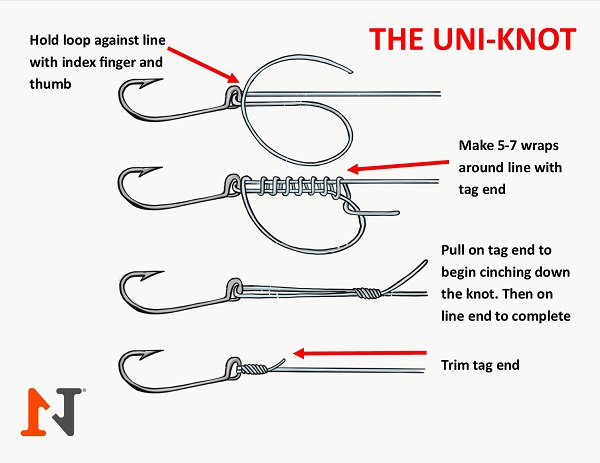
Credit: n1outdoors.com
Mastering Basic Knots
Tying the fishing hook to the line is key for a good catch. Learning basic knots helps keep the hook tight and secure.
Two common knots used by anglers are the Improved Clinch Knot and the Palomar Knot. Both are strong and easy to tie.
Improved Clinch Knot
The Improved Clinch Knot is popular for attaching hooks to the line. It holds well and works with many types of fishing lines.
To tie it, pass the line through the hook eye, wrap it around five times, then thread the end back through the loop near the eye. Tighten the knot firmly.
- Pass line through the hook eye
- Wrap line around five times
- Thread end through loop near eye
- Pull tight to secure the knot
Palomar Knot
The Palomar Knot is strong and easy to tie. It works well with braided and monofilament lines.
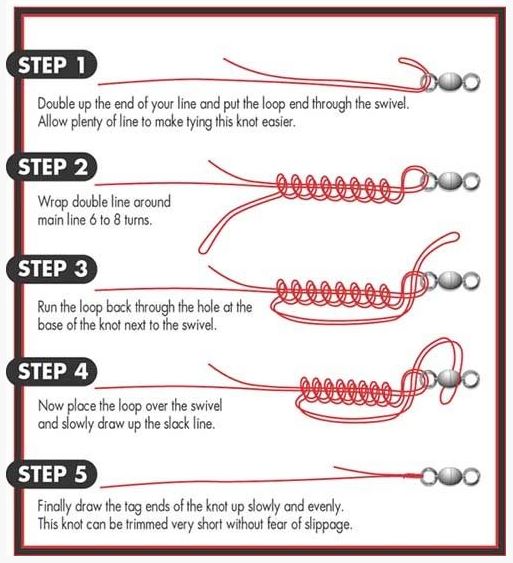
Double the line and pass the loop through the hook eye. Tie a loose overhand knot, then pass the hook through the loop. Pull tight to finish.
- Double the line and pass through hook eye
- Tie a loose overhand knot
- Pass hook through loop
- Pull all ends tight to secure
Step-by-step Knot Tying
Tying a fishing hook to the line is easy with the right steps. This guide will help you create a strong knot.
Follow each step carefully to make sure your hook stays secure while fishing.
Creating A Secure Loop
Start by passing the fishing line through the eye of the hook. Leave enough line to work with for the knot.
Make a loop by doubling back the line next to the hook. Hold the loop firmly between your fingers.
- Pass the tag end around the standing line twice
- Bring the tag end back through the loop
- Ensure the loop is loose enough to move before tightening
Tightening The Knot
Pull the tag end and the standing line slowly to tighten the knot. Keep the loop close to the eye of the hook.
Wet the knot with water or saliva to reduce friction. This helps the knot tighten smoothly and prevents line damage.
- Hold the hook and pull the main line firmly
- Pull the tag end gently to finish tightening
- Check the knot for tightness and trim the extra line
Testing Knot Strength
After tying a fishing hook to your line, testing the knot strength is important. It helps you avoid losing fish or gear during fishing.
Two main checks ensure your knot holds well: checking for slippage and ensuring durability under pressure.
Checking For Slippage
Slippage happens when the knot moves or loosens on the line. To check for this, pull the line firmly but gently.
- Hold the hook and pull the line slowly.
- Look for any movement or loosening of the knot.
- If the knot shifts, retie it more tightly.
- Repeat until the knot stays firmly in place.
Ensuring Durability
Durability means the knot can hold under strong force and wet conditions. Testing durability helps avoid breakage during fishing.
| Test | How to Perform | Expected Result |
| Tug Test | Pull the line hard for 10 seconds | No knot loosening or breaking |
| Water Test | Wet the knot and pull | Knot stays tight and secure |
| Load Test | Attach a weight and lift slowly | Knot holds without slipping |
Troubleshooting Common Issues
Tying a fishing hook to the line can be tricky. Problems like knots slipping or line twisting often happen. Fixing these issues helps you fish better.
This guide covers simple solutions for common problems. Follow the tips to keep your knots strong and your line straight.
Knot Slipping Solutions
Knots can slip if they are not tied correctly or if the line is wet or smooth. To prevent slipping, use these tips.
- Wet the line before tightening the knot to reduce friction.
- Make extra wraps around the hook eye for a stronger hold.
- Pull the knot slowly and firmly to set it tight.
- Use knots known for strength, like the Palomar or Improved Clinch knot.
- Check the knot before each cast to ensure it stays secure.
Avoiding Line Twists
Line twists cause tangles and weak knots. They happen when the line spins too much during casting or retrieving. Stop twists with these methods.
| Cause | Solution |
| Reeling too fast | Slow down reeling speed |
| Improper knot tying | Use knots that reduce twists |
| Using spinning reels | Let the line flow freely on cast |
| Line wound unevenly | Spool line carefully and evenly |
| Using old or damaged line | Replace line regularly |

Credit: www.wikihow.com
Maintenance Tips
Keeping your fishing hook and line in good shape helps you catch more fish. Proper care makes your gear last longer and work better.
Regular maintenance stops problems before they start. It also keeps your knots strong and safe.
Storing Fishing Gear
Store your fishing hooks and lines in a dry, cool place. Avoid direct sunlight to stop the line from getting weak.
Use tackle boxes or small containers to keep hooks from tangling. This also protects them from rust and damage.
- Keep hooks dry and clean before storing
- Use separate compartments for different hooks
- Store lines loosely to avoid kinks
- Check storage boxes for moisture or dirt
Regular Inspection Of Knots
Check your knots often before and after fishing. Look for signs of wear or slipping that may cause breaks.
Tighten or retie knots if you find any damage. Strong knots keep your hook secure and prevent losing fish.
- Look for frayed or loose lines near the knot
- Test the knot’s strength by pulling gently
- Retie knots that feel weak or worn out
- Practice tying knots to improve skill and speed
Credit: www.beadinggem.com
Frequently Asked Questions
How Do You Tie A Fishing Hook To A Line Securely?
To tie a fishing hook securely, use the improved clinch knot. Thread the line through the hook eye, wrap it around 5-7 times, then pass the tag end through the loop near the eye. Tighten firmly and trim the excess line.
What Is The Best Knot For Fishing Hooks?
The improved clinch knot is the best choice. It provides strong holding power and is easy to tie. This knot works well with most fishing lines and hooks, ensuring your hook stays attached during casting and catching.
Can Beginners Easily Tie Fishing Hooks To Lines?
Yes, beginners can easily tie hooks using simple knots like the improved clinch knot. Practice threading, wrapping, and tightening the knot. Watching tutorial videos helps improve speed and accuracy for secure fishing hook attachment.
How Often Should I Retie My Fishing Hook?
Retie your fishing hook after every catch or if the line shows wear. Regular retie ensures knot strength and prevents losing fish. Inspect knots for frays or slippage before each cast.
Conclusion
Tying a fishing hook to the line is simple with practice. Use the right knot to keep the hook secure. Check the knot before you start fishing. A strong knot helps catch more fish and avoids losing the hook. Keep your line tight and neat while tying.
Try different knots to find your favorite. Practice makes your tying faster and better. Enjoy fishing with confidence knowing your hook stays in place. Small steps lead to better fishing success every time.