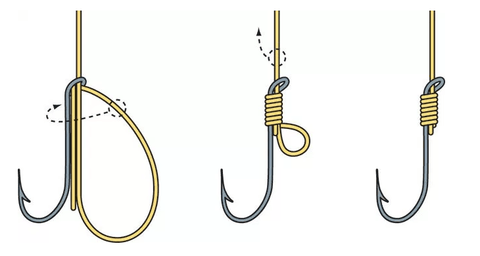
If you want to catch more fish, knowing how to tie a fishing hook to your line is a skill you can’t skip. It might seem tricky at first, but once you learn the right way, it becomes quick and easy.
A strong, secure knot means your hook won’t slip off, giving you a better chance to reel in your catch. You’ll discover simple steps to tie your hook like a pro, even if you’re just starting out. Keep reading, and you’ll be ready for your next fishing trip with confidence.

Credit: n1outdoors.com
Choosing The Right Hook And Line
Choosing the right fishing hook and line is important for a good fishing experience. The right tools help you catch fish easily and safely.
Knowing about hooks and lines helps you pick the best ones for your fishing needs. This guide explains how to choose them.
Types Of Fishing Hooks
Fishing hooks come in many shapes and sizes. Each type works best for different fish and fishing styles.
- J-Hooks: Common shape for many fishing types
- Circle Hooks: Designed to catch fish by the corner of the mouth
- Treble Hooks: Three hooks joined, good for lures
- Octopus Hooks: Short shank, good for live bait
- Siwash Hooks: Long shank, often used with lures
Pick a hook based on the fish you want and the bait you use. Size and shape matter.
Selecting The Appropriate Fishing Line
Fishing lines come in different materials and strengths. The right line helps you catch fish without breaking.
- Monofilament: Flexible and good for beginners
- Fluorocarbon: Less visible underwater, sinks faster
- Braided Line: Very strong and thin, good for heavy fish
Choose a line type that fits your fishing style and water conditions.
Matching Hook And Line Strength
Your hook and line must work well together. The line should be strong enough for the hook and fish.
Using a weak line with a big hook can cause the line to break. A strong line with a small hook can scare fish away.
- Match hook size to the line’s test strength
- Use heavier lines for big hooks and big fish
- Use lighter lines with small hooks for small fish
- Check packaging for recommended line strength

Credit: www.wikihow.com
Preparing The Line And Hook
Tying a fishing hook to the line needs careful preparation. Getting the line and hook ready helps make a strong knot.
Start by choosing the right line length and hook size. This sets the base for a good tie.
Cutting The Line To Length
Cut the fishing line to the right length before tying. Too long or short lines cause problems.
Use sharp scissors or a line cutter. A clean cut prevents fraying and weak knots.
- Measure the needed length based on your fishing setup
- Cut the line straight and clean
- Avoid jagged edges to keep the knot strong
Moistening The Line
Wet the line before you tie the knot. Moistening reduces friction and heat.
This step helps the knot tighten smoothly without damaging the line.
- Use water or saliva to moisten the line
- Apply moisture evenly on the part of the line used for the knot
- Do not soak the hook or other parts of the line
Positioning The Hook
Hold the hook and line properly before tying. Positioning helps make a strong and neat knot.
Place the hook so the line passes through the eye clearly. Avoid twisting the line around the hook.
- Hold the hook steady with one hand
- Pass the line through the hook’s eye
- Keep the line straight without overlaps
Popular Knot Techniques
Tying a fishing hook to the line is a key skill for every angler. Using the right knot keeps your hook secure and helps catch more fish.
Below are three popular knots. Each one is strong and easy to learn for different fishing needs.
Improved Clinch Knot
The Improved Clinch Knot is a classic choice. It works well with most fishing lines and hooks.
- Thread the line through the hook eye.
- Wrap the tag end around the standing line 5 to 7 times.
- Pass the tag end through the small loop near the hook eye.
- Then thread it through the big loop you just made.
- Pull the tag end and standing line to tighten the knot.
- Trim the excess tag end.
Palomar Knot
The Palomar Knot is strong and simple. It keeps the line from slipping and works great with braided lines.
Follow these steps:
- Double about 6 inches of line and pass it through the hook eye.
- Tie a loose overhand knot with the doubled line.
- Pass the hook through the loop of the overhand knot.
- Pull both ends of the line to tighten.
- Trim any extra line from the tag end.
Uni Knot
The Uni Knot is versatile. It works well for attaching hooks, lures, or joining lines.
| Step | Action |
|---|---|
| 1 | Pass the line through the hook eye and double back. |
| 2 | Make a loop by laying the tag end over the doubled line. |
| 3 | Wrap the tag end around the doubled line 5 times. |
| 4 | Pull the tag end to tighten the coils. |
| 5 | Slide the knot down to the hook eye and pull tight. |
| 6 | Trim the tag end close to the knot. |
Step-by-step Knot Tying
Tying a fishing hook to your line is key for a secure catch. Using the right knot helps keep your hook tight and strong.
Below are three easy knots to tie. Follow the steps carefully for best results.
Improved Clinch Knot Steps
The Improved Clinch Knot is popular for its strength and simplicity. It works well with most fishing lines.
- Thread the line through the hook eye.
- Wrap the line around itself 5 to 7 times.
- Pass the loose end through the small loop near the eye.
- Then pass it through the big loop you just made.
- Moisten the knot with water or saliva.
- Pull the loose end and main line to tighten the knot.
- Trim the excess line close to the knot.
Palomar Knot Steps
The Palomar Knot is strong and easy to tie. It works great with braided lines and hooks.
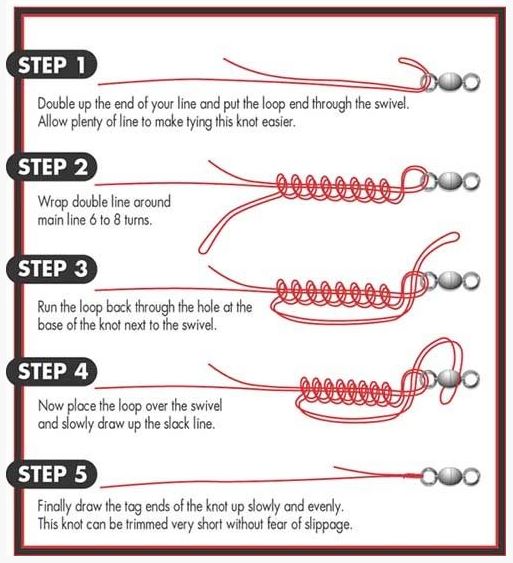
- Double about 6 inches of line and pass it through the hook eye.
- Tie a loose overhand knot with the doubled line.
- Pass the hook through the loop of the overhand knot.
- Moisten the knot with water or saliva.
- Pull both the standing line and tag end slowly to tighten.
- Trim the tag end close to the knot.
Uni Knot Steps
The Uni Knot is versatile and easy to adjust. You can use it for attaching hooks or joining lines.
| Step | Action |
|---|---|
| 1 | Pass the line through the hook eye, doubling it back to form a loop. |
| 2 | Make a loose overhand knot with the doubled line and main line. |
| 3 | Wrap the tag end around the doubled line and through the overhand knot 5 times. |
| 4 | Moisten the knot with water or saliva. |
| 5 | Pull the tag end to tighten the coils while holding the main line. |
| 6 | Slide the knot down to the hook eye and pull tight. |
| 7 | Trim the tag end close to the knot. |
Tips For Strong And Secure Knots
Tying a fishing hook to the line needs care. A strong knot keeps your catch safe.
Learn how to check your knot, avoid mistakes, and test its strength for success.
Checking Knot Tightness
After tying the knot, pull the line slowly to tighten it. The knot should hold firm and not slip.
Look for any gaps or loose loops. These can cause the knot to fail during fishing.
Avoiding Common Mistakes
- Do not leave extra slack in the knot.
- Avoid tying knots with wet or dirty hands.
- Don’t use damaged or frayed fishing line.
- Make sure the hook eye is clear before tying.
- Do not rush the tying process; take your time.
Testing Knot Strength
| Test Method | How to Do It | Why It Matters |
|---|---|---|
| Pull Test | Pull the line hard by hand after tying. | Checks if the knot slips or breaks. |
| Water Test | Wet the knot to reduce friction before tightening. | Prepares knot for real fishing conditions. |
| Load Test | Attach weight and lift slowly. | Simulates fish pulling on the line. |
Credit: www.beadinggem.com
Maintaining Your Knots
Tying a fishing hook to the line is just the first step. Keeping your knots strong is very important for fishing success. Proper knot maintenance helps prevent losing fish and gear.
Regular care of your knots will make your fishing experience better and safer. Let’s look at some ways to keep your knots in good shape.
Re-tying Knots Regularly
Knots can weaken over time from pulling and water exposure. It is a good idea to re-tie your knots often. This keeps them fresh and strong.
Before each fishing trip, check your knots. If they look worn or loose, tie new ones. This saves time and trouble on the water.
Inspecting For Wear And Tear
Look closely at your knots and lines after every use. Check for frays, cuts, or damage. Any weakness can cause your line to break.
Use your fingers to feel the knot area. If it feels rough or thin, replace the knot or line. This simple check keeps your setup safe.
- Look for frayed lines near knots
- Check if knots have slipped or loosened
- Replace damaged lines immediately
Storing Tied Hooks Properly
Store your fishing hooks and lines in a dry, cool place. Avoid leaving tied hooks in direct sunlight or water. This helps keep knots from weakening.
Use a tackle box or container to keep your hooks safe and organized. Keeping knots tight and lines dry will make your gear last longer.
- Keep tied hooks off the ground
- Store in a dry tackle box
- Avoid exposure to sunlight and moisture
- Separate tied hooks to prevent tangling
Frequently Asked Questions
How Do I Tie A Fishing Hook To The Line Properly?
To tie a fishing hook properly, use a strong knot like the improved clinch knot. Thread the line through the hook eye, wrap it around the line five to seven times, then pass the tag end back through the loop.
Tighten securely and trim excess line.
What Is The Strongest Knot For Fishing Hooks?
The strongest knot for fishing hooks is the Palomar knot. It maintains high line strength and is simple to tie. Double the line, pass it through the hook eye, tie an overhand knot, and pass the hook through the loop.
Pull tight for a secure hold.
Can I Use Any Fishing Line To Tie Hooks?
You can use various fishing lines like monofilament, fluorocarbon, or braided lines. Choose the line type based on fishing conditions and target species. Ensure you use a knot compatible with your line to prevent slipping or breaking during fishing.
How Many Wraps Are Needed For A Secure Hook Knot?
Typically, five to seven wraps are needed for a secure hook knot. This range ensures enough friction to hold the knot firmly. Fewer wraps may cause the knot to slip, while too many can weaken the line or make tightening difficult.
Conclusion
Tying a fishing hook properly is essential for success. A secure knot ensures your hook stays attached. Practice makes perfect, so try different methods. Choose the knot that feels right for you. Don’t rush; take your time to learn. A well-tied hook can improve your fishing experience.
Remember, patience is key in fishing. With these tips, you can enjoy your fishing trips more. Share what you’ve learned with fellow anglers. Happy fishing!