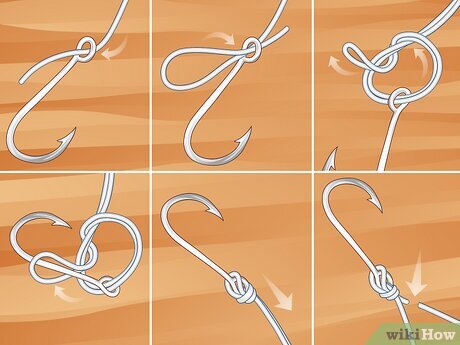
If you want to catch more fish, knowing how to tie a fishing line on a hook is a skill you can’t ignore. A strong, secure knot makes all the difference between landing a big catch and losing it at the last moment.
Whether you’re new to fishing or looking to improve your technique, this simple step can boost your confidence and success on the water. Keep reading, and you’ll learn easy, proven methods to tie your fishing line quickly and securely every time.
Your next great catch could depend on it.
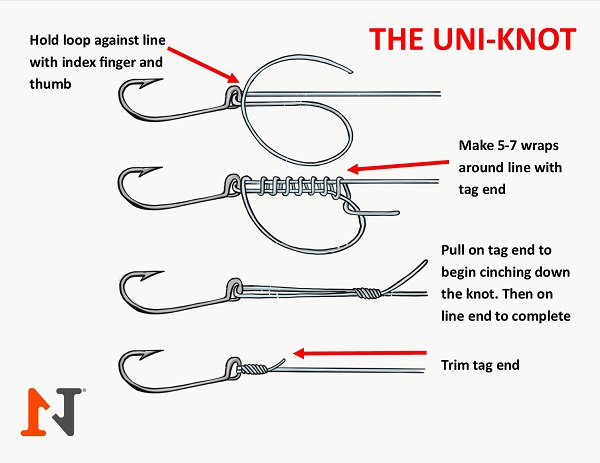
Credit: n1outdoors.com
Choosing The Right Knot
Tying a fishing line to a hook is a key skill for fishing. Using the right knot keeps your hook secure and prevents losing fish.
Different knots work better for different situations. It is important to pick a knot that fits your fishing style and line type.
Types Of Fishing Knots
There are many types of fishing knots. Each knot has strengths and suits certain uses. Some knots are strong, some are easy to tie.
- Improved Clinch Knot
- Palm Knot
- Palomar Knot
- Loop Knot
- Berkley Knot
- Snell Knot
Best Knots For Beginners
Beginners should start with knots that are easy to learn and reliable. These knots tie quickly and hold well under pressure.
The Improved Clinch Knot and Palomar Knot are good choices. They work well for most fishing lines and hooks.
- Improved Clinch Knot:Simple to tie and very strong.
- Palomar Knot:Easy to learn and holds well on many hooks.
Knots For Different Fishing Lines
Different fishing lines need different knots. Monofilament, fluorocarbon, and braided lines each have best knot matches.
| Fishing Line | Recommended Knots |
|---|---|
| Monofilament | Improved Clinch Knot, Palomar Knot |
| Fluorocarbon | Palomar Knot, Berkley Knot |
| Braided Line | Palomar Knot, Loop Knot |

Credit: www.ohero.com
Preparing The Hook And Line
Tying a fishing line on a hook starts with good preparation. You need the right hook and a clean, strong line.
Preparing these tools correctly makes your fishing easier and more effective.
Selecting The Hook Size
Choose a hook size that fits the fish you want to catch. Smaller hooks work for small fish. Bigger hooks suit larger fish.
- Use size 8-12 for small fish like panfish
- Use size 4-6 for medium fish like bass
- Use size 1-2 for large fish like catfish
Trimming The Line
Cut the fishing line to remove any frayed or weak ends. A clean cut helps knots hold better.
| Tool | Purpose |
|---|---|
| Scissors | Cut line cleanly without fraying |
| Line Clippers | Quick and precise trimming |
| Knife | For thick or heavy lines |
Moistening The Line
Before tying the knot, wet the line slightly. Moistening reduces friction and stops the line from weakening.
Step-by-step Knot Tying
Tying a fishing line to a hook is important for fishing. A strong knot ensures the hook stays secure. Let’s learn how to tie it properly.
Follow these simple steps to tie your fishing line on a hook. This will help you catch fish without losing your hook.
Threading The Line Through The Hook Eye
Start by holding the hook in one hand. Use the other hand to thread the line through the hook’s eye. Make sure to pull enough line through for the next steps.
This step is crucial as it sets the base for the knot. Ensure the line is smooth and not twisted.
Making The Initial Loop
Next, make a loop with the line by bringing it back near the hook. Hold both the end of the line and the loop together.
The loop should be large enough to work with. Keep it secure as you prepare for the next step.
Wrapping The Line Around Itself
Wrap the free end of the line around both the standing line and the loop. Do this four or five times to create a strong knot foundation.
Ensure each wrap is snug against the previous one. This creates a secure and strong knot.
Securing The Knot Tight
Finally, pull both ends of the line to tighten the knot. Make sure it is tight against the hook eye.
Check that the knot is secure by pulling on the line and the hook. Trim any excess line close to the knot.
- Ensure the knot is tight before fishing
- Check for any line damage
- Practice makes perfect
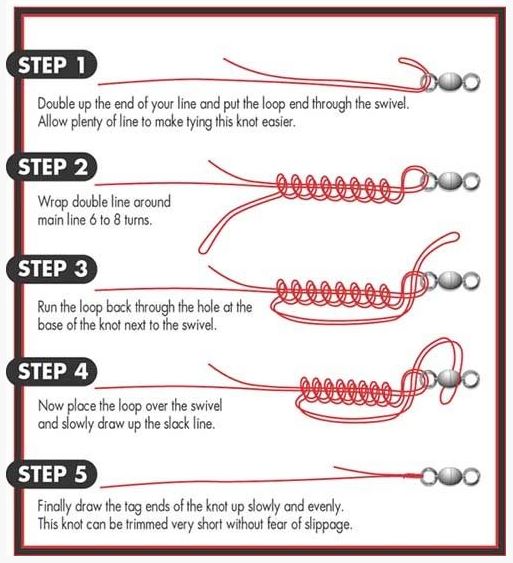
Credit: www.beadinggem.com
Testing Knot Strength
After tying a fishing line on a hook, testing the knot strength is important. This ensures the knot will hold while fishing.
Testing helps avoid losing fish due to knot failure. It also improves your overall fishing success.
Pulling To Check Security
Gently pull the line to test if the knot holds tight. Use steady force to feel any slipping or loosening.
If the knot moves or loosens, retie it. A strong knot should not slip under firm pulling.
Common Knot Failures
Knots can fail due to several reasons. Knowing these helps you avoid weak knots.
- The knot is tied too loosely
- The line is damaged or frayed
- The knot is not the right type for the line
- Uneven tension when tying
- Not wetting the line before tightening
Tips To Improve Knot Durability
Use these tips to make your knots stronger and last longer. This reduces the chance of losing your catch.
- Wet the line before tightening the knot
- Pull the knot firmly and evenly
- Trim excess tag end close to the knot
- Choose the right knot for your fishing line type
- Practice tying knots to improve skill
Troubleshooting Knot Issues
Tying a fishing line on a hook can sometimes cause problems. Knots may slip or lines can twist. These issues affect your fishing success.
Fixing knot problems quickly helps you get back to fishing. Learn how to fix slipping knots, twisted lines, and damaged hooks or lines.
Fixing Slipping Knots
Slipping knots happen when the knot is not tight enough or tied incorrectly. The line can slide and the hook may come off.
To stop slipping, make sure to wet the line before tightening. This reduces friction and helps the knot hold better.
- Choose a strong knot like the improved clinch or Palomar knot
- Wrap the line tightly around the hook eye
- Pull the tag end firmly to tighten the knot
- Trim the excess line close to the knot
Dealing With Twisted Lines
Lines twist when they spin too much while tying or casting. Twisted lines can weaken and tangle easily.
To reduce twists, let your line hang straight before tying. Use swivel hooks to allow free rotation and avoid twisting.
- Keep the line loose when tying knots
- Avoid over-spinning the lure or bait
- Use a swivel to prevent line twisting
- Check the line regularly for twists and straighten it
Replacing Damaged Hooks Or Lines
Damaged hooks or lines can cause knots to fail. Rusty hooks and frayed lines reduce fishing success.
Always inspect your hooks and lines before fishing. Replace any damaged parts to keep your setup strong and reliable.
- Check hooks for rust, bends, or dull points
- Look for frayed or weak spots on the line
- Cut off damaged line sections or replace the entire line
- Use new hooks that match your fishing style
Advanced Knot Techniques
Tying a fishing line on a hook needs strong knots. Advanced knots help keep your line secure.
These knots work well for different fishing styles and conditions.
Double Knots For Extra Strength
Double knots add more strength than single knots. They reduce the chance of slipping.
Try the Double Uni Knot or Double Surgeon’s Knot for better hold.
- Double Uni Knot:Tie two loops and pull tight to join line and hook.
- Double Surgeon’s Knot:Loop twice before tightening for strong grip.
Knots For Fly Fishing
Fly fishing needs delicate knots that hold light lines well. These knots keep the fly steady.
The Improved Clinch Knot and Loop Knot are popular for fly fishing.
- Improved Clinch Knot:Wrap line around hook, loop, and pull tight for security.
- Loop Knot:Creates a small loop to allow fly movement.
Knots For Heavy-duty Fishing
Heavy fishing needs strong knots for thick line and big fish. These knots resist breaking.
The Palomar Knot and Bimini Twist are excellent for heavy-duty uses.
- Palomar Knot:Double the line, loop through hook, then tie for great strength.
- Bimini Twist:Creates a strong double line for heavy fish.
Frequently Asked Questions
How Do I Tie A Fishing Line To A Hook Securely?
To tie a fishing line securely, use the improved clinch knot. Thread the line through the hook eye, wrap it around five times, then pass the tag end through the loop. Tighten firmly. This knot is strong and reliable for most fishing situations.
What Is The Easiest Knot To Tie Fishing Hooks?
The Palomar knot is the easiest and strongest knot for tying hooks. Double the line, pass it through the hook eye, tie a loose overhand knot, and pull the loop over the hook. It’s quick and holds well under pressure.
Can I Use Any Fishing Line For Tying Hooks?
You can use monofilament, fluorocarbon, or braided lines for tying hooks. Each line type requires slightly different knot techniques but all work well. Choose based on fishing conditions and target species for best performance.
How Tight Should I Pull The Knot On A Fishing Hook?
Pull the knot firmly but slowly to avoid weakening the line. Tightening the knot firmly ensures it won’t slip. Avoid jerking as it can damage the line or hook eye, compromising knot strength.
Conclusion
Tying a fishing line on a hook is simple with practice. Choose the right knot and follow steps carefully. A strong knot helps catch fish without losing them. Take your time and check the knot before fishing. Practice often to tie faster and better.
Enjoy your fishing trips with confidence and success. Keep learning, and fishing will become more fun.