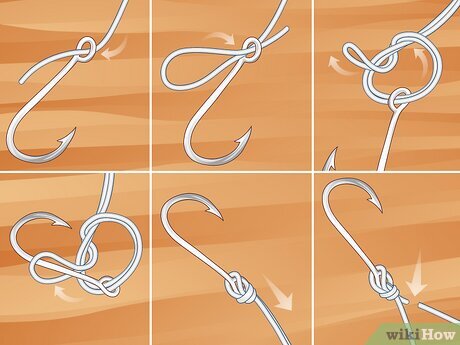
If you want to catch more fish, knowing how to tie a fishing line on a hook is a skill you can’t afford to miss. A strong, reliable knot keeps your line secure and your catch safe.
Imagine losing a big fish just because your knot slipped or came undone. Frustrating, right? In this guide, you’ll learn simple, step-by-step methods to tie your fishing line quickly and confidently. Mastering this will boost your chances of success every time you cast your line.
Ready to become a better angler? Let’s dive in!
Choosing The Right Hook And Line
Choosing the right hook and fishing line is important for a good catch. The right gear helps you fish easier and safer.
You need to know which hook and line fit the fish you want to catch. This guide will help you pick the best ones.
Types Of Fishing Hooks
Fishing hooks come in many shapes and sizes. Each type suits different fishing styles and fish types.
- J-Hook: Classic shape, good for many fish
- Circle Hook: Reduces fish injury, easy to hook
- Treble Hook: Three points, used for lures
- Siwash Hook: Long shank, good for replacing treble
- Bait Holder Hook: Has barbs to keep bait
Selecting Suitable Fishing Line
Fishing lines vary in material and strength. Choose one that matches your fishing needs.
- Monofilament: Stretchy and easy to use
- Fluorocarbon: Hard to see underwater
- Braid: Very strong and thin
Matching Line Strength To Hook Size
Pick a line strong enough for your hook and fish. Too weak line can break easily.
| Hook Size | Line Strength (Pounds) |
|---|---|
| Small (size 8-12) | 2-6 lbs |
| Medium (size 4-6) | 6-12 lbs |
| Large (size 1/0 – 4/0) | 12-30 lbs |
| Extra Large (size 5/0 and up) | 30+ lbs |

Credit: www.ohero.com
Essential Tools And Materials
Tying a fishing line on a hook needs the right tools. Using proper gear makes the task easier and safer.
This guide covers basic gear and optional accessories to help you tie knots well.
Basic Gear Needed
Here are the main tools and materials needed for tying a fishing line on a hook.
- Fishing line (monofilament, fluorocarbon, or braided)
- Fishing hooks of the right size for your catch
- Scissors or line clippers to cut the line cleanly
- A hook eye to thread the line through
- A clean, flat surface or your hands to work on
Optional Accessories For Knot Tying
These extra tools help make knot tying easier and more precise but are not required.
| Accessory | Use |
| Knot tying tool | Holds line steady and tightens knots |
| Needle-nose pliers | Helps pull line through tight hook eyes |
| Line conditioner | Makes line smoother and easier to handle |
| Thread wax | Prevents line from slipping during knot tying |
| Magnifying glass | Improves visibility for small knots |
Preparing The Fishing Line
Preparing the fishing line is important before tying it to the hook. It helps ensure a strong connection and better fishing experience.
Good preparation includes measuring the right length and checking the line’s condition. Both steps keep your fishing setup reliable.
Measuring And Cutting The Line
Measure the fishing line to the desired length before cutting. The length depends on the type of fishing and the rod you use.
- Use a ruler or tape measure for accuracy
- Allow extra length for tying knots
- Cut the line cleanly with sharp scissors or a line cutter
- Avoid frayed ends by making a smooth cut
Checking Line Condition
Inspect the line carefully before use. A damaged line can break easily and cause lost fish.
| Condition | What to Check | Action |
|---|---|---|
| Frays or Cuts | Look for broken strands or tiny cuts | Cut off damaged section or replace line |
| Discoloration | Faded or cloudy spots on the line | Consider replacing if weak spots appear |
| Stiffness | Line feels hard or brittle | Replace line to avoid breakage |
| Knots or Tangles | Check for knots that weaken the line | Untangle or cut and re-tie line |
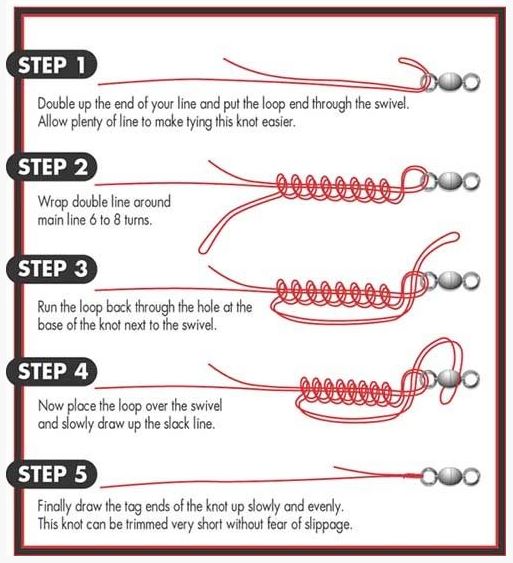
Credit: www.beadinggem.com
Popular Knots For Hook Attachment
Tying the fishing line to the hook is important for a strong hold. There are several popular knots used by anglers. These knots keep the hook secure and help catch fish.
Each knot has its own style and strength. Learning these knots helps improve your fishing experience. Below are some of the most common knots for hook attachment.
Improved Clinch Knot
The Improved Clinch Knot is simple and reliable. It works well with light to medium fishing lines. This knot keeps the hook tied tightly without slipping.
To tie it, thread the line through the hook eye. Wrap the line around itself five to seven times. Then, pass the end through the loop near the eye and pull tight.
- Thread line through hook eye
- Wrap line 5-7 times around itself
- Pass end through loop near eye
- Tighten the knot firmly
Palomar Knot
The Palomar Knot is strong and easy to tie. It works well with braided and monofilament lines. This knot keeps the hook aligned with the line for better strength.
Fold the line in half and pass it through the hook eye. Tie a loose overhand knot with the doubled line. Pass the hook through the loop and pull tight.
- Double the line and pass through hook eye
- Tie a loose overhand knot
- Pass hook through the loop
- Pull all ends tight
Uni Knot
The Uni Knot is versatile and strong. It works for attaching hooks, lures, and leaders. This knot is easy to adjust and holds well under pressure.
Pass the line through the hook eye and form a loop. Wrap the tag end around the line and through the loop five to six times. Pull to tighten the knot securely.
- Pass line through hook eye
- Make a loop with the tag end
- Wrap tag end 5-6 times around line
- Pull knot tight
Snell Knot
The Snell Knot is great for strong hook connection. It keeps the hook in line with the fishing rod. This knot works well with both monofilament and fluorocarbon lines.
Pass the line behind the hook shank. Wrap the tag end around the shank and line five to seven times. Pull the knot tight so it grips the hook firmly.
- Pass line behind hook shank
- Wrap tag end 5-7 times around shank and line
- Pull knot tight
- Ensure knot grips hook securely
Step-by-step Knot Tying Guide
Tying a fishing line to a hook is an important skill for any angler. A good knot holds your hook securely and helps catch fish better.
This guide shows simple steps to tie four popular fishing knots. Follow them carefully to tie strong knots every time.
Improved Clinch Knot Instructions
The Improved Clinch Knot is strong and easy to tie. It works well with most fishing lines and hooks.
- Thread the line through the hook eye.
- Wrap the tag end around the main line 5 times.
- Pass the tag end through the small loop near the eye.
- Then pass it through the big loop just made.
- Moisten the knot and pull tight slowly.
- Trim the extra tag end close to the knot.
Palomar Knot Instructions
The Palomar Knot is very strong and simple. It keeps the line from slipping off the hook.
- Double about 6 inches of line and pass it through the hook eye.
- Tie a loose overhand knot with the doubled line.
- Pass the hook through the loop of the overhand knot.
- Pull both the tag end and main line to tighten the knot.
- Make sure the knot is snug against the hook eye.
- Cut the tag end close to the knot.
Uni Knot Instructions
The Uni Knot is very versatile and works well on many rigs. It is easy to tie and holds firmly.
- Pass the line through the hook eye and double back.
- Make a loop by laying the tag end alongside the doubled line.
- Wrap the tag end around the doubled line 5 times.
- Pull the tag end to tighten the coils around the doubled line.
- Slide the knot down to the hook eye.
- Pull the main line to secure the knot firmly.
- Trim the tag end close to the knot.
Snell Knot Instructions
The Snell Knot ties the line directly to the hook shank. It is strong and keeps the hook straight.
- Pass the tag end behind the hook shank near the eye.
- Make 5 to 7 wraps around the hook shank and the main line.
- Pass the tag end through the first loop near the eye.
- Pull the tag end to tighten the coils firmly around the shank.
- Pull the main line to seat the knot near the eye.
- Trim the tag end close to the wraps.
Tips For Stronger Knots
Tying a fishing line on a hook needs care. Strong knots keep your catch safe. Use these tips to make your knots last longer.
Simple steps improve knot strength and stop line slipping. Learn how to moisten, tighten, and trim your line correctly.
Moistening The Line
Before tightening your knot, wet the line with water or saliva. This helps reduce friction and heat.
Moistening prevents the line from weakening or breaking when you pull the knot tight.
Tightening Techniques
Pull the knot slowly and firmly to avoid slipping. Use steady pressure to make the knot snug against the hook eye.
Hold the knot in place while tightening to keep it neat and strong.
- Pull both ends evenly
- Avoid jerking the line
- Keep the knot close to the hook eye
Trimming Excess Line
Cut off extra line close to the knot. Leaving too much can cause tangles or weaken the knot.
Use sharp scissors or clippers for a clean cut to avoid fraying.
Common Mistakes To Avoid
Tying a fishing line to a hook may seem simple. Yet, many make errors that cause lost catches.
Knowing what mistakes to avoid helps you keep a strong and reliable knot every time.
Loose Knots
Loose knots easily slip off the hook. This can cause you to lose fish after a bite.
- Failing to pull the knot tight enough.
- Not moistening the line before tightening.
- Using too few wraps around the hook eye.
Incorrect Line Wraps
Wrapping the line wrongly weakens the knot. The wraps must be neat and even.
| Common Wrap Errors | Effect on Knot |
|---|---|
| Overlapping wraps | Creates weak spots |
| Uneven tension | Slips under pressure |
| Too few wraps | Less secure hold |
| Too many wraps | Difficult to tighten fully |
Using Damaged Line
A damaged line breaks easily. Inspect your line for cuts or frays before tying.
- Check the line near the hook for nicks.
- Replace the line if you see any damage.
- Use strong, smooth line for better knots.

Credit: n1outdoors.com
Testing Knot Strength
Testing the strength of a fishing knot is important. It helps to make sure the knot will not break easily.
A strong knot keeps your hook and line secure while fishing. Testing shows if the knot is tied correctly.
Pull Test Methods
One way to check knot strength is the pull test. Pull the line slowly but firmly to feel its hold.
Try pulling the line in different directions to check how the knot holds under stress.
- Hold the hook and pull the line steadily.
- Pull straight to test the knot’s core strength.
- Pull sideways to test for slipping or loosening.
- Repeat the test a few times for accuracy.
Signs Of Weak Knots
Some signs show that a knot is weak and may fail. Look closely at the knot before fishing.
Watch for any slipping, loose loops, or uneven tightening in the knot.
- The knot slides easily when pulled.
- Loops in the knot are loose or uneven.
- The line appears crushed or damaged near the knot.
- The knot feels soft and not tight.
Frequently Asked Questions
How Do I Tie A Fishing Line To A Hook Securely?
To tie a fishing line securely, use the improved clinch knot. Thread the line through the hook eye, wrap it five times, then pass the tag end through the loop. Pull tight and trim excess. This knot ensures strong, reliable hook attachment.
What Is The Easiest Knot For Fishing Hooks?
The Palomar knot is the easiest and strongest knot for hooks. Double the line, pass it through the hook eye, tie a loose overhand knot, then pass the hook through the loop. Tighten and trim. It works well for most fishing lines.
How Tight Should A Fishing Knot Be?
A fishing knot should be tight enough to hold under tension but not so tight that it weakens the line. Pull the knot firmly to secure it, ensuring it doesn’t slip. Properly tightened knots prevent line slippage and hook loss.
Can I Use Any Fishing Line To Tie Hooks?
Most fishing lines like monofilament, fluorocarbon, and braided lines can be used. Choose the knot suitable for your line type for best results. Different lines have different stretch and strength characteristics affecting knot security.
Conclusion
Tying a fishing line on a hook is simple with practice. Follow steps closely. Always check your knot strength before casting. A secure knot prevents fish from escaping. Using the right technique makes your fishing trip successful. Practice makes perfect, so keep trying.
Share these tips with friends and family. Enjoy the peace and thrill fishing brings. Soon, you’ll tie knots effortlessly. Happy fishing and may your lines always be tight!