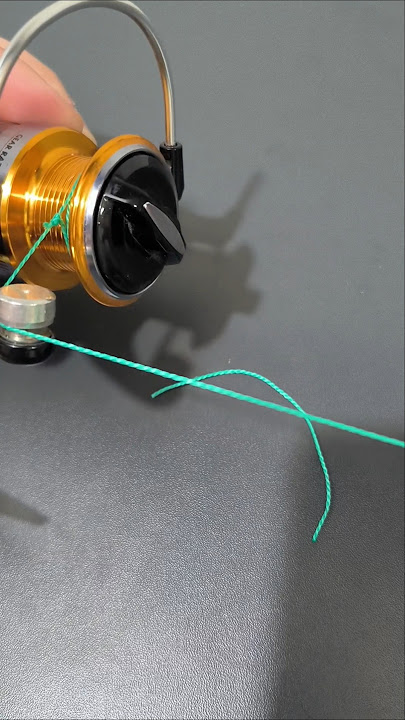
Tying a fishing line on a reel might seem simple, but doing it the right way can make all the difference in your fishing experience. If your line isn’t secure, you risk losing fish or having your gear get tangled.
You want your setup to be strong, reliable, and easy to use every time you head out. In this guide, you’ll learn clear, step-by-step instructions to tie your fishing line like a pro. By the end, you’ll feel confident and ready to cast without worry.
Keep reading to master this essential fishing skill and improve your chances of a great catch.
Credit: n1outdoors.com
Choosing The Right Fishing Line
Picking the right fishing line is key to a good fishing experience. The line connects your bait to the reel and affects your catch.
Choosing the right line helps you fish better and prevents problems like line breakage or poor casting.
Types Of Fishing Lines
There are three main types of fishing lines: monofilament, fluorocarbon, and braided. Each has unique features for different fishing styles.
- Monofilament:Flexible and easy to use. It floats well and is good for beginners.
- Fluorocarbon:Almost invisible underwater. It sinks fast and resists abrasion.
- Braided:Very strong and thin. It has little stretch and lasts a long time.
Matching Line To Reel
Your fishing reel works best with certain types of lines. Match the line type and size to your reel’s capacity and design.
Spinning reels usually use monofilament or braided lines. Baitcasting reels handle heavier braided or fluorocarbon lines well.
- Check your reel’s recommended line weight on its label.
- Use lighter lines for spinning reels to avoid tangles.
- Use stronger lines on baitcasting reels for bigger fish.
Line Strength Considerations
Line strength is measured in pounds and shows how much weight it can hold. Choose strength based on the fish you want to catch.
Using a line too weak can cause breaks. A line too strong can reduce casting distance and lure action.
- Light lines (2-6 lbs) are good for small fish and clear water.
- Medium lines (8-15 lbs) work for most fishing situations.
- Heavy lines (20+ lbs) are for big fish or rough conditions.
Preparing The Reel
Getting your reel ready is important before tying a fishing line. A well-prepared reel ensures smooth and efficient fishing.
Follow these steps to prepare your reel and enjoy a better fishing experience.
Cleaning The Spool
Cleaning the spool removes dirt and debris, which can affect line performance. A clean spool helps the line lay evenly.
Checking Reel Components
Inspecting reel components helps identify any issues before fishing. This ensures all parts work correctly.
- Check the handle for any loose screws
- Inspect the bail arm for smooth movement
- Ensure the anti-reverse switch is functioning
Setting Drag Properly
Setting the drag correctly prevents line breakage. It controls the tension when a fish pulls on the line.
Turn the drag knob clockwise to tighten and counterclockwise to loosen. Test the drag by pulling the line gently.
Attaching The Line To The Reel
Attaching the fishing line to the reel is the first step in setting up your gear. It helps you cast smoothly and catch fish without problems.
This guide covers how to thread the line, secure it properly, and common ways to attach it to the reel spool.
Threading The Line Through Guides
Start by passing the line through all the rod guides. These are the loops along the fishing rod that guide the line.
Thread the line from the tip of the rod down to the reel. Make sure it moves freely without twists or tangles.
Securing The Line To The Spool
After threading, tie the line to the reel’s spool. The spool is where the line is wound and stored.
Tie the line tightly so it does not slip when you cast or reel in. A loose line can cause problems and lose fish.
Common Attachment Methods
There are several simple ways to attach the fishing line to the reel spool. Choose one that fits your reel type and line.
- Arbor Knot: Wrap the line around the spool and tie a strong knot. It holds well for most reels.
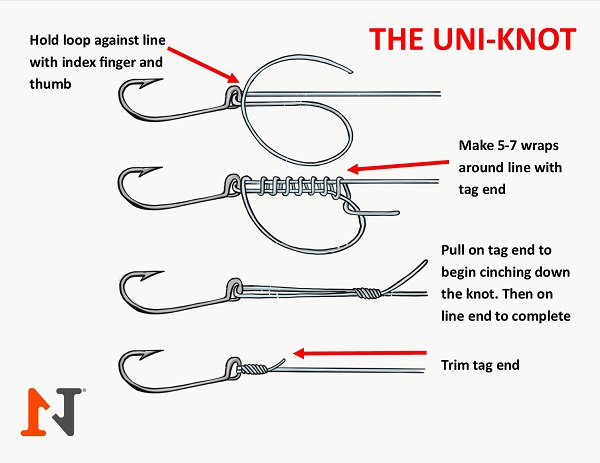
- Uni Knot: This knot is easy to tie and works well for thicker lines.
- Improved Clinch Knot: Good for light lines and provides a secure hold.
- Palomar Knot: Strong and simple, ideal for braided lines.
Tying Strong Knots
Tying a strong knot on your fishing reel is key to a good catch. A secure knot keeps your line tight and prevents losing fish.
Below are three reliable knots that anglers use often. Each has simple steps to follow for a strong hold.
Improved Clinch Knot
The Improved Clinch Knot is popular for tying line to hooks and lures. It holds well under tension and is easy to tie.
- Thread the line through the hook eye.
- Wrap the tag end around the main line five to seven times.
- Pass the tag end through the small loop near the hook eye.
- Then pass it through the big loop you just made.
- Wet the knot and pull both ends to tighten.
Palomar Knot
The Palomar Knot is very strong and simple. It works well with braided and monofilament lines.
Follow these steps:
- Double about six inches of line and pass it through the hook eye.
- Tie a loose overhand knot with the doubled line.
- Pass the hook through the loop of the overhand knot.
- Wet the line and pull both ends to tighten the knot.
Arbor Knot
The Arbor Knot attaches the line to the spool on your reel. It prevents slippage during casting and retrieval.
| Step | Action |
| 1 | Wrap the line around the spool. |
| 2 | Tie an overhand knot around the main line. |
| 3 | Tie a second overhand knot on the tag end. |
| 4 | Pull the main line to slide the first knot tight against the spool. |
| 5 | Pull the tag end to tighten the second knot. |
| 6 | Trim excess line close to the knots. |
Winding The Line Onto The Reel
Winding the fishing line onto the reel is important for a smooth fishing experience. Proper winding helps the line flow easily during casting and retrieving.
Take your time to wind the line carefully. This reduces problems like tangles and line damage later.
Maintaining Tension
Keep steady tension on the line while winding. This stops the line from loosening or slipping off the spool.
You can hold the line between your fingers or use a cloth to grip it gently. Avoid too much pressure that may weaken the line.
Avoiding Twists And Tangles
Twists can cause knots and reduce casting distance. Let the line come off the spool smoothly without twisting.
Check that the line spool spins in the right direction as you wind. Stop if you see loops or knots forming.
- Use a swivel to reduce line twisting
- Feed the line straight onto the reel
- Keep the line tight and even
Filling The Spool Correctly
Fill the spool almost to the edge but leave a small gap. Overfilling can cause tangles and underfilling reduces casting control.
Check the reel’s line capacity mark. Stop winding when the line reaches this level for best performance.
- Fill to about 1/8 inch below the spool rim
- Wind line evenly across the spool
- Avoid loose loops on the spool

Credit: www.youtube.com
Testing The Setup
After tying the fishing line to the reel, it is important to test your setup. Testing ensures the line is secure and the reel works well. This step helps avoid problems during fishing.
Check the knot, line movement, and reel function carefully. Make changes if needed before you start fishing.
Checking Knot Security
Hold the line near the knot and pull it tight. The knot should not slip or come loose. A strong knot keeps the line secure on the reel.
Look for any frayed or damaged parts of the line around the knot. If the knot feels weak, retie it to avoid losing fish later.
Line Movement And Reel Function
Turn the reel handle slowly to check how the line moves. The line should spool evenly on the reel without bunching or slipping.
Listen for any unusual sounds from the reel. Smooth movement means the reel is working well. Rough or sticky movement may cause problems while fishing.
Making Adjustments
If the knot is loose, retie it using a stronger knot. Trim any excess line after tying. This prevents tangles and snags.
If the line does not spool evenly, adjust the reel spool tension. Check the reel’s drag system and fix any issues for better control.
Tips For Line Maintenance
Proper care of your fishing line helps it last longer. It also keeps your reel working well.
Simple maintenance steps can prevent line damage and improve your fishing experience.
Regular Inspection
Check your fishing line often for signs of wear or damage. Look for cracks, frays, or weak spots.
Replace the line if it looks worn. Damaged line can break easily and cause lost fish.
- Run your fingers along the line to feel for rough areas.
- Look closely under good light for cuts or abrasions.
- Check near the reel and the hook for damage.
Replacing Old Line
Remove old line from your reel regularly. Old line loses strength and stretches more.
Use fresh line for better casting and fewer tangles. Make sure to spool it tightly on the reel.
- Cut the old line close to the reel spool.
- Clean the reel before adding new line.
- Attach new line with a secure knot.
Storage Recommendations
Store your fishing line in a cool, dry place. Avoid direct sunlight and heat, which weaken the line.
Keep the line on the reel or in a sealed container to prevent dirt and moisture damage.
- Avoid storing line in very hot or cold areas.
- Use line covers or bags for protection.
- Check stored line before use to ensure it is still strong.

Credit: www.youtube.com
Frequently Asked Questions
How Do I Tie A Fishing Line To A Reel?
To tie a fishing line, thread it through the reel’s spool. Use an Arbor knot to secure it tightly. Pull the knot firmly to prevent slipping. Trim any excess line for a clean finish. This ensures your line stays attached during fishing.
What Is The Best Knot For Fishing Reel Line?
The Arbor knot is the best for securing fishing line on a reel. It’s simple, strong, and reliable. This knot prevents the line from slipping on the spool. Perfect for beginners and experienced anglers alike. It keeps your line secure during casts.
Can I Use Any Fishing Line With My Reel?
Most reels work with monofilament, fluorocarbon, or braided lines. Check your reel’s specifications for recommended line types and weights. Using the right line improves casting and reduces tangles. Always match the line to your fishing style and target species.
How Tight Should The Fishing Line Be On The Reel?
The line should be tight enough to avoid slipping but not too tight. Leave slight tension while winding to maintain control. Proper tension prevents line twists and tangles. This balance ensures smooth casting and reel performance.
Conclusion
Tying a fishing line on a reel is simple with practice. Use the right knot and pull it tight. Check that the line stays secure before fishing. A strong connection helps catch more fish. Keep trying until you feel confident.
Soon, this step will feel easy and quick. Enjoy your time fishing without worry about the line. Small skills make big differences on the water.