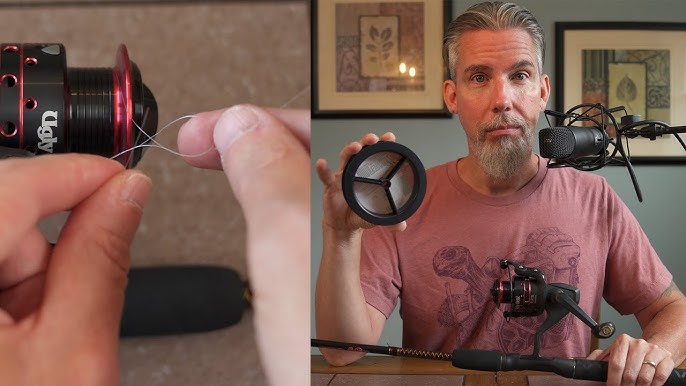
Are you ready to get your fishing gear set up the right way? Knowing how to tie a fishing line onto a reel is one of the most important skills for every angler.
If your line isn’t tied properly, you risk losing fish, gear, and time. But don’t worry—this guide will show you simple, step-by-step methods that anyone can follow. By the end, you’ll feel confident and ready to cast like a pro.
Keep reading to master this essential fishing skill and make every catch count!

Credit: windrider.com
Choosing The Right Fishing Line
Picking the right fishing line is important before tying it to your reel. The right line helps you catch fish and avoid problems.
Consider the type, strength, and thickness of the line. These factors affect your fishing experience.
Types Of Fishing Lines
There are three main types of fishing lines: monofilament, fluorocarbon, and braided. Each type has its uses and benefits.
- Monofilament:Flexible and easy to handle. Good for beginners.
- Fluorocarbon:Hard to see in water. Good for clear water fishing.
- Braided:Very strong and thin. Good for heavy cover and long casts.
Line Strength And Thickness
Line strength is measured in pounds and tells how much weight it can hold. Choose a line strong enough for the fish you want to catch.
Thickness affects how the line moves through water and the reel. Thinner lines cast farther but may be weaker.
| Line Strength (lbs) | Use | Thickness |
|---|---|---|
| 2-6 | Small fish, light tackle | Thin |
| 8-12 | Medium fish, general use | Medium |
| 15-30 | Large fish, heavy cover | Thick |
Preparing The Reel
Tying a fishing line onto a reel starts with preparing the reel properly. This helps the line go on smoothly and prevents problems later.
Cleaning and checking your reel keeps it working well. You should also open the reel spool carefully before attaching the line.
Cleaning And Inspecting The Reel
Start by wiping the reel with a soft cloth to remove dirt and salt. Check for any damage like cracks or rust on the parts.
- Remove dust and grime from the reel body.
- Look for loose screws or parts.
- Make sure the drag system works smoothly.
- Check the handle for easy turning.
- Oil moving parts if needed.
Opening The Reel Spool
To tie the line, you must open the spool where the fishing line sits. Handle the spool gently to avoid damage.
| Step | Action |
|---|---|
| 1 | Locate the spool release knob or button. |
| 2 | Turn or press to unlock the spool. |
| 3 | Lift or slide the spool off the reel body carefully. |
| 4 | Inspect the spool for dirt or damage. |
| 5 | Clean the spool with a cloth if needed. |
Attaching The Line To The Reel
Attaching the fishing line to the reel is an important step. Doing it properly ensures a smooth fishing experience.
Follow the steps carefully to secure your line and get ready for fishing.
Threading The Line Through Guides
Start by threading the line through the guides on your fishing rod. Make sure the line passes through each guide from the tip to the reel.
- Open the bail on the reel.
- Insert the line through the first guide at the tip.
- Continue threading through each guide toward the reel.
- Ensure the line is not twisted.
Tying The Arbor Knot
The Arbor Knot is essential for attaching the line to the reel. It provides a secure hold.
Follow these steps to tie the Arbor Knot:
- Wrap the line around the spool.
- Tie an overhand knot around the standing line.
- Tie a second overhand knot in the tag end.
- Pull the standing line to slide the knot tight against the spool.
- Trim any excess line.

Credit: www.youtube.com
Spooling The Line
Spooling the fishing line onto your reel is an important step for smooth casting and retrieval. Proper spooling helps prevent tangles and line breakage.
In this guide, we focus on two key parts: maintaining line tension and filling the spool properly. These steps make sure your line feeds evenly and stays strong.
Maintaining Line Tension
Keeping the right tension on the line while spooling prevents loose loops that cause tangles. You want the line tight but not stretched too hard.
- Hold the line between your fingers to apply gentle pressure.
- Ask a helper to hold the spool with a pencil or rod through its center.
- Keep the spool turning smoothly while feeding the line.
- Check often that the line stays snug on the reel spool.
Filling The Spool Properly
Filling the spool evenly and to the right level helps your reel work well. Overfilling or underfilling can cause problems when casting.
| Fill Level | Why It Matters |
|---|---|
| About 1/8 inch from the spool edge | Prevents line from slipping off or tangling |
| Too low | Limits casting distance and causes line twist |
| Too high | Line may catch on spool edge and break |
Securing And Trimming The Line
Tying a fishing line onto a reel needs care to avoid slipping. Securing the line tightly keeps it safe while fishing.
Trimming the line neatly after tying helps prevent tangles and keeps the reel clean. Let’s look at how to lock the line and cut excess.
Locking The Line In Place
Hold the line tight and wrap it around the reel spool several times. This stops the line from moving when you cast or reel in.
- Pass the line through the reel’s line guide.
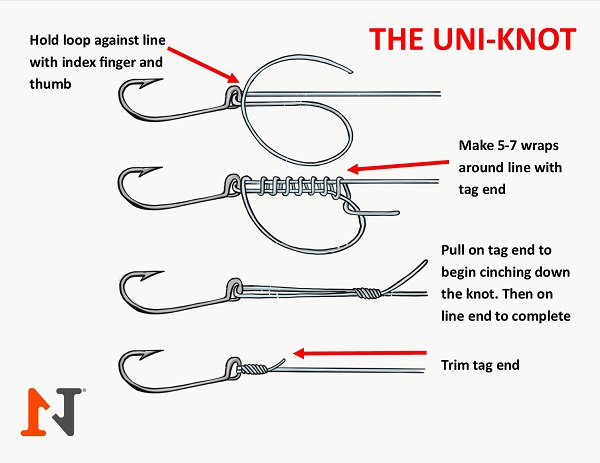
- Wrap the line around the spool 5 to 7 times.
- Pinch the line and tie a secure knot.
- Pull the knot tight against the spool.
- Check the line for any slack.
Cutting Excess Line
Trim the line close to the knot to avoid extra loops. A neat cut helps the line feed smoothly during use.
| Tool | Purpose | Tip |
| Scissors | Cutting line | Use sharp scissors for a clean cut |
| Line Clippers | Trimming knot area | Clip close without cutting the knot |
| Knife | Cutting tough lines | Use carefully to avoid fraying |
Testing The Setup
After tying your fishing line onto the reel, it is important to test the setup. This ensures the line is secure and works well with the reel.
Testing helps avoid problems while fishing. It also makes casting smoother and prevents line tangles.
Checking Line Movement
Start by slowly turning the reel handle. Watch how the line moves off the spool. It should come off evenly without any snags or bunching.
If the line feels tight or does not move smoothly, the setup needs adjustment. Proper line movement helps with casting and retrieving.
Adjusting As Needed
If the line is too loose or too tight, adjust the tension on the reel. You may need to rewind the line to fix uneven spooling.
Make small changes and test again. This will help you find the right balance for smooth fishing.
Tips For Beginners
Tying a fishing line onto a reel can be tricky at first. Learning the right way helps you fish with less trouble.
This guide shares useful tips and common errors to avoid. It also lists tools that make the task easier.
Common Mistakes To Avoid
Many beginners make simple mistakes that cause line tangles or loss of fish. Watch out for these errors.
- Tying the knot too loose, which can cause the line to slip.
- Using the wrong knot type for your reel and line.
- Not wetting the knot before tightening, leading to weak knots.
- Overfilling the spool with line, causing tangles and bird nests.
- Ignoring the line direction when winding, creating twists.
Recommended Tools And Accessories
Having the right tools helps you tie the line quickly and securely. Here are some must-have items.
| Tool | Purpose |
| Line Scissors | Cutting the fishing line cleanly |
| Hook Eye Cleaner | Clearing knots through the hook eye |
| Needle Nose Pliers | Pulling knots tight and adjusting hooks |
| Line Conditioner | Making the line smooth and easy to handle |
| Spool Holder | Keeping the spool steady while tying |
Credit: n1outdoors.com
Frequently Asked Questions
How Do I Start Tying Fishing Line To A Reel?
Begin by threading the line through the reel’s guides. Tie a secure knot, like the arbor knot, around the spool. Pull it tight to ensure the line stays firmly attached during use.
What Is The Best Knot For Attaching Line To Reel?
The arbor knot is ideal for securing line to a reel spool. It’s simple, strong, and prevents slippage. This knot ensures your line stays tight and stable while fishing.
How Much Fishing Line Should I Spool Onto A Reel?
Fill the reel spool until it’s about 1/8 inch below the rim. This balance prevents line from slipping off and avoids overfilling, which can cause tangles and casting problems.
Can I Use Any Fishing Line With Any Reel?
Most reels work with various line types, like monofilament, fluorocarbon, or braided. However, check your reel’s specifications for line capacity and recommended types to ensure optimal performance.
Conclusion
Tying a fishing line onto a reel is simple with practice. Follow the steps carefully to avoid tangles and slips. A secure knot keeps your line strong and ready for fishing. Take your time and check the knot before casting.
Enjoy your fishing trip with confidence and ease. Keep practicing, and it will become second nature soon. This basic skill helps you fish better every time. Happy fishing!