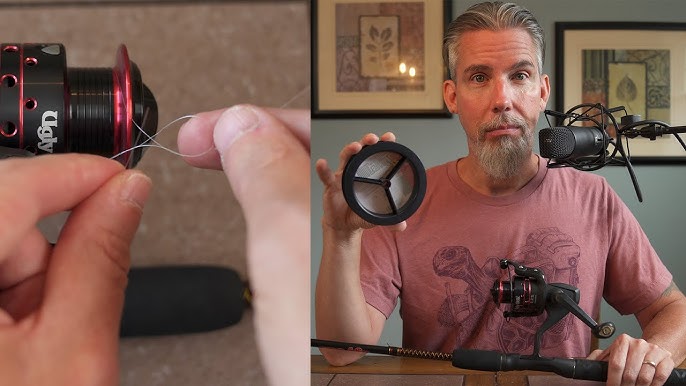
Are you ready to get your fishing gear set up but unsure how to tie your fishing line onto a reel the right way? Mastering this simple step can make all the difference in your fishing experience.
If your line isn’t attached properly, you risk losing fish and wasting time. In this guide, you’ll learn an easy, reliable method to secure your line so you can cast with confidence every time. Keep reading, and you’ll be ready to hit the water with your reel perfectly rigged.
Choosing The Right Fishing Line
Picking the right fishing line is important for your fishing success. The line affects your cast, hook set, and catch.
Different lines work better for different fish and reels. Learn about types, strength, and matching lines to reels.
Types Of Fishing Lines
There are three main types of fishing lines. Each has its own use and strength.
- Monofilament: Easy to handle and stretchable
- Fluorocarbon: Hard to see underwater and sinks fast
- Braid: Very strong and thin, with little stretch
Choose a line type based on your fishing style and water conditions.
Line Strength And Thickness
Line strength is measured in pounds. It shows how much weight the line can hold before breaking.
Thicker lines are usually stronger but harder to cast far. Thinner lines cast better but may break easily.
- Light lines (2-6 lbs) for small fish and clear water
- Medium lines (8-15 lbs) for general fishing
- Heavy lines (20+ lbs) for big fish and tough conditions
Matching Line To Reel
Your reel has a limit for line strength and thickness. Check the reel’s specs before choosing a line.
Use a line that fits well on the reel spool. Too thick or too thin lines can cause problems when casting or reeling.
- Match line strength to the reel’s max capacity
- Choose line thickness that fits the reel spool size
- Consider the fishing type and target fish size
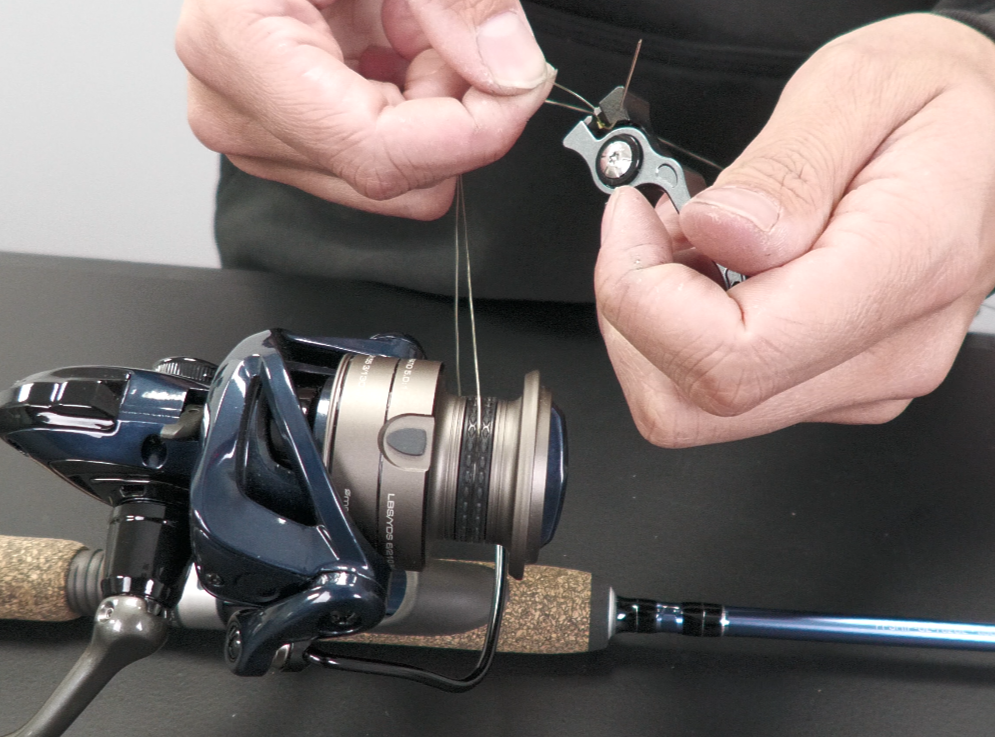
Credit: www.fishusa.com
Preparing The Reel
Preparing your fishing reel is important before tying the fishing line. A clean and well-set reel works better and lasts longer.
This guide covers cleaning the reel, opening the spool, and setting the drag to get started.
Cleaning The Reel
Before tying the line, clean your reel to remove dirt and salt. This helps the reel work smoothly.
Use a soft cloth and warm water to wipe the reel. Avoid harsh chemicals that can damage parts.
- Wipe the handle and body gently
- Use a soft brush for hard-to-reach spots
- Dry the reel completely before use
Opening The Spool
The spool holds the fishing line. Open it carefully to add new line or check the old one.
Turn the spool release knob or press the button, depending on your reel type. Remove the spool gently.
- Locate the spool release mechanism
- Turn or press to unlock the spool
- Lift the spool straight off the reel
Setting The Drag
The drag controls how much resistance the fish feels when pulling the line. Set it correctly to avoid line break.
Turn the drag knob to adjust tension. Test by pulling the line slowly with your hand to feel the resistance.
- Turn drag knob clockwise to tighten
- Turn counterclockwise to loosen
- Set drag so the line pulls out with steady force
Attaching The Line To The Reel
Attaching the fishing line to the reel is the first step in setting up your fishing gear. A secure connection keeps your line from slipping during casts and catches.
Learning the right way to tie the line helps you fish without interruptions. This guide shows how to attach the line properly.
Threading The Line Through Guides
Start by pulling the fishing line from the spool. Pass it through the guides on your fishing rod. These guides help direct the line evenly.
Make sure the line goes through every guide from the rod tip down to the reel. This keeps the line straight and reduces tangles.
Tying The Arbor Knot
The arbor knot connects the line to the reel spool. It is strong and easy to tie. First, wrap the line around the spool.
Then tie an overhand knot around the standing line. Follow with a second overhand knot on the tag end. Pull tight to secure.
- Wrap line around spool
- Tie overhand knot around standing line
- Tie second overhand knot on tag end
- Pull both knots tight against spool
Securing The Knot
After tying the arbor knot, wet the line with water or saliva. This reduces friction and prevents damage.
Pull the line firmly until the knot tightens against the spool. Cut any extra tag end close to the knot.
Check the knot for strength by pulling the line hard. It should hold without slipping or loosening.

Credit: windrider.com
Spooling The Line
Spooling the fishing line onto your reel is an important step. It helps you fish smoothly and avoid problems while casting.
This guide explains how to spool the line properly. Follow these tips to keep your line strong and ready to use.
Maintaining Line Tension
Keeping steady tension on the line during spooling stops it from tangling or loosening. You can hold the line tight with your fingers or use a cloth to grip it.
- Use one hand to turn the reel slowly.
- Hold the line firmly but do not stretch it too much.
- Ask someone to help by holding the line spool if possible.
- Keep tension even to fill the spool neatly.
Filling The Spool Correctly
Fill the reel spool with the right amount of line. Too little or too much line causes problems while fishing.
| Spool Size | Line Capacity | Recommended Fill Level |
|---|---|---|
| Small | 100 yards | 90 yards |
| Medium | 200 yards | 180 yards |
| Large | 300 yards | 270 yards |
Stop filling the spool about 1/8 inch below the spool edge. This prevents line from slipping off or tangling.
Avoiding Line Twist
Line twist causes knots and weakens the line. Avoid twist by following these tips during spooling.
- Make sure the line comes off the spool in the same direction as the reel turns.
- Use swivel connectors to reduce twist when using lures or bait.
- Keep the line tight and guide it evenly onto the spool.
- Check the line often for twists or loops and fix them immediately.
Final Checks
After tying your fishing line onto the reel, take time to do final checks. This ensures your setup is safe and ready. Proper checks prevent problems while fishing.
These final steps help you avoid losing fish or gear. They also make your fishing experience smoother and more enjoyable.
Trimming Excess Line
Cut off the extra line close to the knot. Leave about a quarter inch to stop the knot from slipping. Use sharp scissors or clippers for a clean cut.
- Keep a small tag end to secure the knot
- Avoid leaving long loose ends
- Trim cleanly to prevent snagging
Testing Line Strength
Check the knot and line strength by pulling on the line firmly. The knot should hold tight without slipping. Test several times to be sure.
| Test Type | What to Check | Result Needed |
| Tug Test | Pull line near knot | No slipping or loosening |
| Stretch Test | Stretch line gently | Line stays strong, no break |
| Visual Check | Inspect knot closely | Knot tight and neat |
Preparing For Fishing
Make sure your reel spins smoothly. Adjust the drag to a comfortable setting for your fishing style. Check that your rod and reel are balanced and ready.
- Reel spins without resistance
- Drag is set properly
- Line is secure and trimmed
- Rod and reel feel balanced
- All gear packed and ready

Credit: www.wikihow.com
Frequently Asked Questions
How Do I Tie A Fishing Line To A Reel?
Start by threading the line through the reel’s spool. Tie an arbor knot to secure it. Tighten and trim the excess line. This ensures the line stays firmly attached during casting and retrieval.
What Is The Best Knot For Fishing Reels?
The arbor knot is the best for attaching line to reels. It’s simple, strong, and reliable. This knot prevents slippage and keeps the line secure under tension.
Can I Use Any Fishing Line On A Reel?
Most reels work with monofilament, fluorocarbon, or braided lines. Check your reel’s specifications for maximum line strength. Use the right line type for your fishing style to improve performance.
How Tight Should The Fishing Line Be On The Reel?
The line should be tight enough to avoid slipping but not over-tightened. Proper tension prevents tangles and ensures smooth casting. Adjust the drag system accordingly.
Conclusion
Tying a fishing line onto a reel is simple. Follow the steps carefully. Start with the right knot. Ensure it’s tight and secure. Check for twists in the line. Avoid them for smooth casting. Practice makes perfect. Over time, your skill improves.
Proper technique ensures a successful fishing trip. Keep your gear in top shape. Ready your reel and line before heading out. Enjoy the peace of fishing. Relax and cast with confidence. Happy fishing!