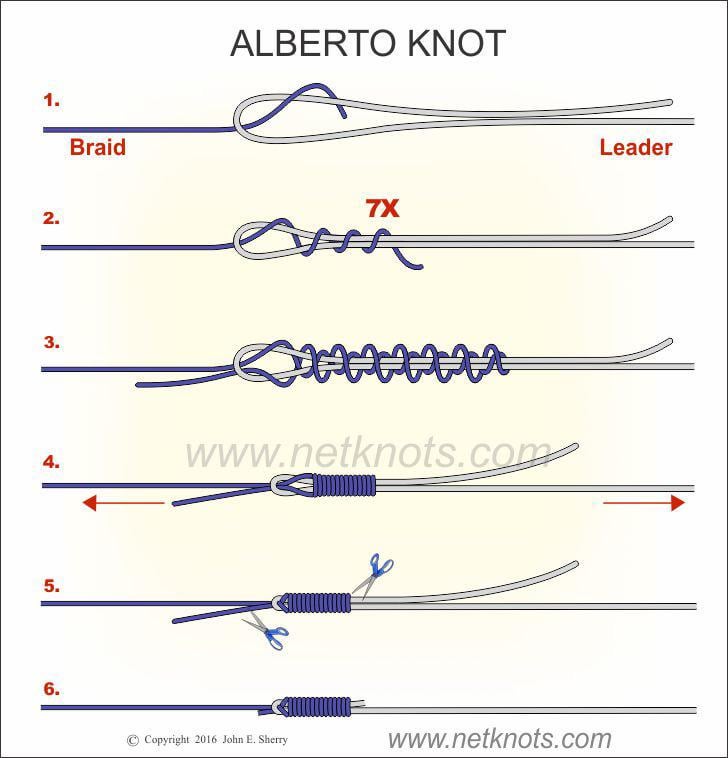
Are you struggling to connect your fishing line to a leader the right way? Knowing how to tie a fishing line to a leader can make all the difference between landing a big catch and losing it at the last moment.
If you want your setup to be strong, reliable, and easy to cast, this skill is a must-have. You’ll learn simple, step-by-step methods that anyone can master quickly. Keep reading, and you’ll soon tie your fishing line like a pro, boosting your confidence and your chances of success on every fishing trip.
Choosing The Right Leader
Choosing the right leader is important for successful fishing. A leader connects your main fishing line to the hook or lure. It helps protect the line from sharp teeth and rough surfaces.
The right leader also affects how natural your bait looks in the water. It should match the fishing conditions and the fish you want to catch.
Types Of Leaders
Leaders come in different materials and styles. Each type has its own use and strength. Here are the common types:
- Monofilament Leaders:These are clear and flexible. They work well for most fishing situations.
- Fluorocarbon Leaders:Harder to see underwater and more resistant to abrasion. Good for clear water.
- Wire Leaders:Made from thin wire strands. They are strong and prevent fish with sharp teeth from biting through.
- Shock Leaders:Thicker leaders that absorb sudden pulls. Useful for casting heavy lures or fighting large fish.
Matching Leader To Fishing Line
Matching your leader to the fishing line keeps your setup balanced. The leader should not be much heavier or lighter than the main line. This helps avoid weak points or visibility issues.
| Main Line Type | Recommended Leader Type | Reason |
| Monofilament | Fluorocarbon or Monofilament | Good flexibility and low visibility in water |
| Fluorocarbon | Fluorocarbon | Matches stretch and sinking rate |
| Braid | Fluorocarbon or Monofilament Shock Leader | Provides stretch and abrasion resistance |
| Wire | Wire Leader | Prevents bite-offs from sharp-toothed fish |
Essential Tools And Materials
Tying a fishing line to a leader needs some basic tools and materials. Having the right items makes the task easier and stronger.
This guide lists what you need to prepare before you start tying your fishing line to a leader.
Fishing Line And Leader
You need both a fishing line and a leader for a strong connection. The fishing line is the main line from your reel.
- Fishing Line:Usually nylon or fluorocarbon, chosen for strength and flexibility.
- Leader:A tougher or thicker line attached to the fishing line to protect against sharp teeth or rough surfaces.
- Length:Leaders are normally 12 to 36 inches long, based on the fish type.
Additional Tools Needed
Besides the lines, you will need a few tools to help make a neat and secure knot.
| Tool | Purpose |
| Scissors or Line Cutter | To cut the fishing line and leader cleanly |
| Needle Nose Pliers | Helps pull tight knots and hold small parts |
| Water or Saliva | Keeps the line wet to reduce friction when tightening knots |
| Measuring Tape | To measure leader length before cutting |
Preparing The Line And Leader
Tying a fishing line to a leader is important for fishing success. The process involves preparing the line and leader properly.
This ensures that the connection is strong and reliable. Let’s explore how to prepare them effectively.
Trimming And Cleaning
Trim the ends of the fishing line and leader before tying. This helps remove any frayed or damaged parts.
Clean both with a damp cloth. This removes dirt and makes the knot secure.
- Use sharp scissors for trimming
- Ensure ends are even for a better knot
- Cleaning prevents slipping
Moistening For Better Knots
Moisten the line and leader before tying the knot. Water reduces friction and helps the knot tighten properly.
This simple step makes the knot stronger. It also prevents line damage when pulling tight.
- Use saliva or water for moistening
- Ensure all parts are wet
- Test the knot strength after tying
Popular Knots For Connecting Line To Leader
Connecting a fishing line to a leader is important for a strong setup. Using the right knot keeps your line from slipping.
Some knots work better for certain types of lines. Let’s look at popular knots used to tie line to leader.
Double Uni Knot
The Double Uni Knot is easy to tie and very strong. It works well with lines of different thicknesses.
It creates a smooth knot that passes through guides easily. This knot is great for braided and monofilament lines.
- Overlap the line and leader ends.
- Make a loop with one end and wrap it around both lines.
- Repeat with the other end.
- Pull both knots together to join the lines.
Albright Knot
The Albright Knot joins heavy leaders to lighter lines. It is strong and compact, ideal for saltwater fishing.
This knot slides through rod guides well and holds tight under pressure. It works best with braided or monofilament lines.
- Form a loop in the leader line.
- Pass the main line through the loop.
- Wrap the main line around the loop and itself several times.
- Pull both lines to tighten the knot.
Blood Knot
The Blood Knot is perfect for connecting similar-sized lines. It keeps the line strong and flexible at the joint.
This knot is popular for fly fishing and tying leaders. It is neat and does not add much bulk to the line.
- Overlap the two line ends.
- Wrap one end around the other 5-7 times.
- Do the same with the other end in reverse.
- Pull both ends to slide the wraps together.
Step-by-step Knot Tying Guide
Tying a fishing line to a leader is key for a strong connection. This guide shows you how to do it right.
Follow each part carefully to make sure your knot holds well during fishing.
Forming The Knot
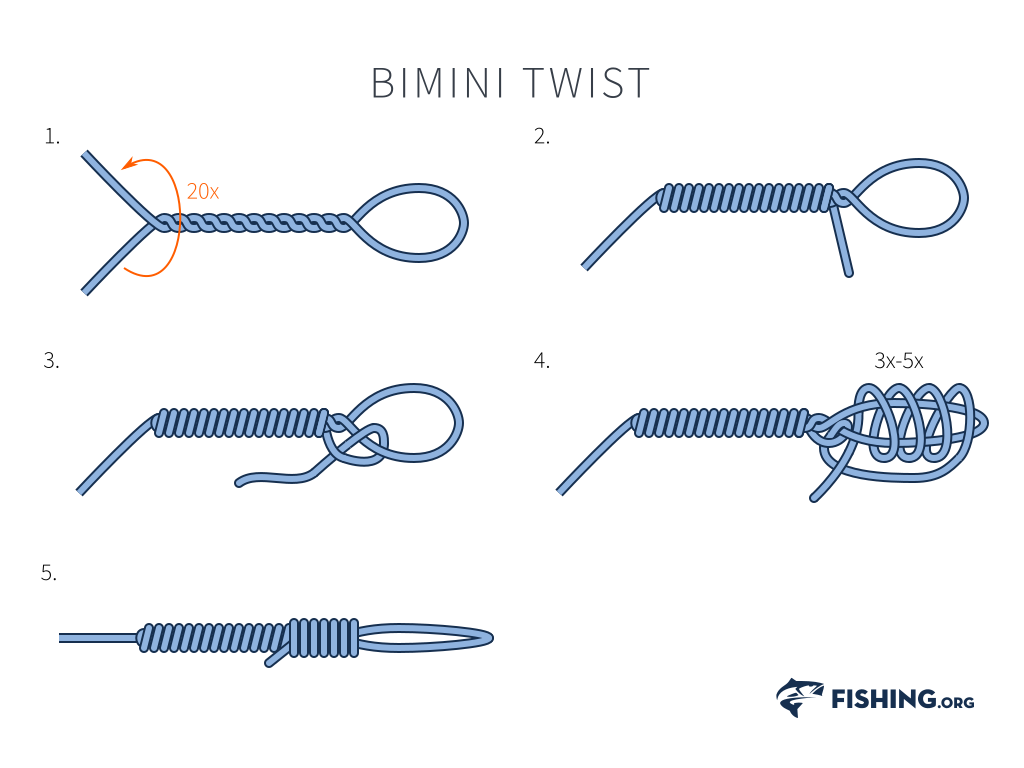
Start by overlapping the end of the fishing line with the leader by about 6 inches. Make a loop by doubling the line back toward itself.
- Pass the tag end through the loop created.
- Wrap the tag end around both lines 5 times.
- Thread the tag end back through the loop.
- Pull the tag end gently to start tightening the knot.
Tightening And Securing
Hold the leader and main line firmly. Pull the standing parts slowly to tighten the knot. Make sure the coils snug up evenly.
| Common Issues | How to Fix |
|---|---|
| Uneven coils | Loosen knot and adjust coils before tightening |
| Slipping knot | Add extra wraps or moisten line before tightening |
| Line twisting | Keep line straight and avoid twisting while tying |
Trimming Excess Line
After the knot is tight, use scissors or clippers to trim the tag end. Leave about 1/8 inch to prevent slipping.
- Cut the tag end cleanly without fraying.
- Check the knot again for tightness.
- Test the knot by pulling gently on the lines.
Credit: medium.com
Tips For Stronger Connections
Tying a fishing line to a leader securely is key to catching fish. A strong connection stops the line from slipping or breaking. Good knots hold better and last longer in water.
Using the right technique and checking your knot can save your catch. This guide covers common errors and how to test your knot strength.
Avoiding Common Mistakes
Many anglers lose fish because of weak knots or poor tying methods. Avoid these common mistakes to improve your connection:
- Not wetting the line before tightening the knot
- Using the wrong knot for the line type
- Failing to trim excess tag ends
- Tying knots with uneven loops or twists
- Pulling the knot too tight too fast
Checking Knot Strength
Always check your knot strength before fishing. A simple test can prevent losing fish and gear.
| Test Method | How to Do It | Result |
| Pull Test | Hold both ends and pull firmly | Knot should hold without slipping |
| Visual Check | Look for tight coils and no twists | Knot looks neat and even |
| Line Flex | Flex line near knot gently | No cracks or weak spots |
| Water Soak | Wet knot and pull again | Knots tighten and stay secure |
When To Replace Your Leader
The leader connects your fishing line to the hook or lure. It must be strong and clear to catch fish well. Over time, leaders can get weak or damaged.
Knowing when to change your leader helps avoid losing fish. It keeps your fishing line reliable and ready.
Signs Of Wear And Tear
Look closely at your leader before each use. Damage shows up in small ways but can cause big problems.
Here are common signs that tell you to replace your leader:
- Frayed or worn spots on the leader
- Discoloration or cloudiness in clear leaders
- Small cuts or nicks along the length
- Soft or weak areas that feel thin
- Twists or kinks that do not straighten out
Maintenance Practices
Taking care of your leader helps it last longer. Clean and store it properly after each trip.
Follow these steps to keep your leader in good shape:
- Rinse your leader with fresh water after fishing
- Dry it fully before storing to prevent damage
- Store in a cool, dry place away from sunlight
- Check for damage regularly and replace if needed
- Use proper knots to avoid weakening the leader

Credit: www.reddit.com
Credit: medium.com
Frequently Asked Questions
What Is The Best Knot To Tie A Fishing Line To A Leader?
The best knot to tie a fishing line to a leader is the Double Uni Knot. It is strong, reliable, and easy to tie, making it ideal for joining different line types or sizes.
How Do I Prevent Line Slippage When Connecting To A Leader?
To prevent line slippage, ensure tight and evenly wrapped knots. Wet the line before tightening to reduce friction and secure the knot firmly without over-tightening.
Can I Use Any Fishing Line To Tie To A Leader?
You can use monofilament, fluorocarbon, or braided fishing lines with leaders. Choose compatible materials and suitable knots to maintain strength and durability when connecting them.
How Often Should I Replace My Leader Line?
Replace your leader line after every few fishing trips or if it shows signs of damage or wear. Regular replacement maintains knot strength and prevents line breakage.
Conclusion
Tying a fishing line to a leader is simple with practice. Use the right knot for a strong, secure connection. Check the knot before casting to avoid losing fish. Take your time and be patient. Clear knots help you fish better and enjoy your time on water.
Keep practicing, and soon it will feel natural. Fishing becomes more fun when you trust your gear. Try these steps next time you prepare your fishing line. Success starts with good preparation and careful tying.