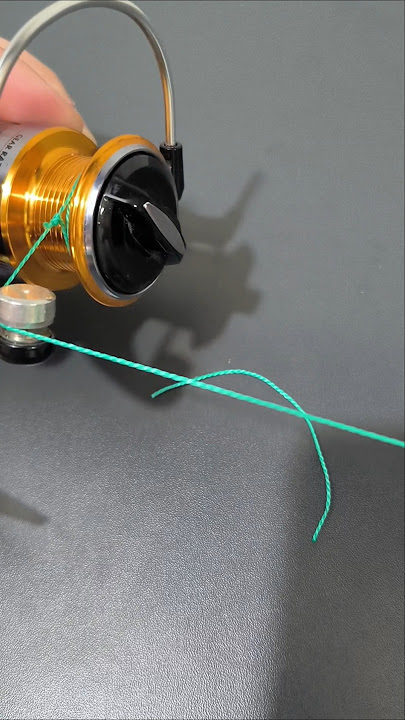
Are you ready to make your next fishing trip a success? One of the most important skills you need is knowing how to tie a fishing line to a spinning reel properly.
If this step isn’t done right, you risk losing your catch or even damaging your gear. Don’t worry—this guide will walk you through simple, clear steps to get your line secure and ready for action. Keep reading, and you’ll be casting like a pro in no time!
Choosing The Right Line
Choosing the right fishing line is important for a good catch. The line affects how you cast, feel bites, and fight fish.
Picking the best line depends on your fishing style and the reel you use. Learn about types, strength, and matching lines to reels.
Types Of Fishing Lines
There are three common types of fishing lines: monofilament, fluorocarbon, and braided. Each has different features.
Monofilament is stretchy and easy to handle. Fluorocarbon is nearly invisible underwater. Braided line is very strong and thin.
- Monofilament:Good for beginners, flexible, and cheaper
- Fluorocarbon:Hard to see, good for clear water
- Braided:Strong and thin, good for heavy fish
Line Strength And Thickness
Line strength is measured in pounds (lb). It shows how much weight the line can hold before breaking.
Thicker lines are stronger but harder to cast far. Thinner lines cast better but break easier.
- Use stronger line for big fish
- Choose thinner line for light lures and long casts
- Match line strength to the size of fish you want
Matching Line To Reel
Spinning reels need lines that spool well and do not tangle easily. Some lines work better on spinning reels.
Monofilament and braided lines are good for spinning reels. Fluorocarbon is harder to spool but good as a leader.
- Check your reel’s line capacity and weight limits
- Choose line thickness that fits your reel spool
- Use braided line for long casts and strength
- Use monofilament for easy handling and stretch
Preparing The Spinning Reel
Before tying your fishing line to the spinning reel, you must prepare the reel properly. This helps the line attach securely and makes casting easier.
Focus first on opening the bail and positioning the reel for the best grip and control.
Opening The Bail
The bail is the metal arm that guides the line onto the spool. Opening it allows you to attach the line easily.
- Locate the bail arm on your spinning reel.
- Flip it up gently until it locks in the open position.
- Keep the bail open while attaching the line to avoid tangling.
- Do not force the bail; it should move smoothly.
Positioning The Reel
Placing the reel correctly on your fishing rod helps you tie the line and cast better.
| Position | Reason |
| Secure reel foot in reel seat | Prevents reel from moving during use |
| Tighten reel seat firmly | Keeps reel stable when casting and retrieving |
| Hold rod and reel comfortably | Improves control and reduces fatigue |
Attaching The Line
Attaching the fishing line to a spinning reel is important before you start fishing. It keeps the line secure and ready for casting.
This guide shows how to thread the line, tie the arbor knot, and secure it well on your reel.
Threading The Line Through Guides
Start by pulling the line from the spool. Pass the line through each guide on your fishing rod, starting from the tip.
Make sure the line runs smoothly through every guide to avoid tangles and improve casting distance.
Tying The Arbor Knot
The arbor knot attaches the fishing line to the reel spool. It is strong and easy to tie.
Wrap the line around the reel spool. Tie a simple overhand knot around the main line, then tie another overhand knot at the tag end.
- Wrap line around spool
- Tie overhand knot around main line
- Tie overhand knot at tag end
- Pull both knots tight
Securing The Knot
After tying the knots, pull the tag end to tighten the knots against the spool.
Trim any extra line close to the knot. Turn the reel handle slowly to wind the line evenly on the spool.

Credit: www.youtube.com
Spooling The Reel
Spooling the reel is essential for a successful fishing trip. Proper spooling ensures smooth casting and prevents tangles.
Follow these steps to spool your reel correctly. This will help you enjoy a day of fishing without line troubles.
Maintaining Line Tension
Keep the line tight while spooling. This helps prevent loose coils that can cause knots. Hold the line between your fingers as it winds onto the reel.
Avoid letting the line go slack. Constant tension ensures the line lays evenly on the spool. This reduces the risk of tangles later.
- Keep the line tight at all times
- Use your fingers to guide the line
- Check for even distribution
Filling The Spool Correctly
Fill the spool to the right level. Too much line can cause it to spill over. Too little line can affect casting distance.
Leave a small gap between the line and the spool’s edge. This helps prevent line overflow during casting.
| Spool Size | Recommended Fill Level |
| Small | 1/8 inch from edge |
| Medium | 1/4 inch from edge |
| Large | 1/2 inch from edge |
Checking Your Setup
Before fishing, check your spinning reel setup. A secure line and no twists keep your fishing smooth.
This guide covers testing line security and avoiding line twist for better results.
Testing Line Security
Make sure your fishing line is tied tightly to the reel. A loose line can slip and cause lost fish.
- Pull the line gently to check for slippage.
- Look for any gaps between the line and reel spool.
- Retie if the line moves or feels loose.
- Use knots known for holding well on spinning reels.
- Trim extra line close to the knot for a neat finish.
Avoiding Line Twist
Line twist causes tangles and weakens your cast. Take steps to keep your line straight and smooth.
| Cause | How to Avoid |
| Overfilling spool | Fill spool to correct level, not over full |
| Incorrect knot tying | Use knots like the improved clinch knot |
| Spinning lure action | Use swivel to reduce twist |
| Line winding direction | Match line winding to reel spool direction |

Credit: n1outdoors.com
Common Mistakes To Avoid
Tying a fishing line to a spinning reel seems simple. But small errors can cause big problems while fishing.
This guide explains common mistakes to avoid to keep your line secure and ready for use.
Not Wetting The Line Before Tightening
Many anglers tighten the knot without wetting the line first. Dry knots can weaken due to friction.
Wet the line with water or saliva to reduce friction. This helps the knot tighten smoothly and stay strong.
Using The Wrong Knot For The Reel
Some knots are not suitable for spinning reels. Using a weak knot can cause the line to slip or break.
Choose knots like the Improved Clinch Knot or Palomar Knot that work well with spinning reels.
Failing To Trim The Tag End Properly
Leaving a long tag end can cause tangles or get caught in the reel. Cutting it too short risks knot failure.
Trim the tag end to about 1/8 inch. This length prevents tangles but keeps the knot secure.
Not Checking The Knot’s Security
After tying, some skip testing the knot’s strength. A weak knot may fail when you catch a fish.
Pull on the line firmly to check the knot. If it slips or loosens, retie it before fishing.
Wrapping The Line Incorrectly Around The Spool
Wrapping the line wrong causes twists and tangles. This makes casting difficult and can weaken the line.
Make sure to wrap the line in the direction the reel spins. This prevents twists and ensures smooth casting.

Credit: windrider.com
Frequently Asked Questions
How Do I Tie A Fishing Line To A Spinning Reel?
To tie a fishing line to a spinning reel, thread the line through the reel’s guides. Use a strong knot like the Arbor knot to secure it tightly. Trim excess line and ensure the knot is firm for reliable casting.
What Knot Is Best For Spinning Reels?
The Arbor knot is best for attaching fishing line to spinning reels. It is simple, strong, and reliable. This knot prevents slipping and maintains line strength, making it ideal for various fishing conditions.
Can I Use Braided Line On A Spinning Reel?
Yes, you can use braided line on a spinning reel. Braided lines offer excellent strength and sensitivity. Make sure to tie the line securely using a suitable knot like the Palomar for best results.
How Tight Should The Fishing Line Be On The Reel?
The fishing line should be tight but not overly stretched on the reel. Proper tension prevents tangles and ensures smooth casting. Adjust the drag according to your target fish species for optimal performance.
Conclusion
Tying a fishing line to a spinning reel is simple with practice. Use the right knot for strong, secure holds. Check the line for any weak spots before casting. Take time to tighten knots properly to avoid slips. Keep your reel clean and well-maintained for best results.
With each cast, confidence will grow. Enjoy your fishing trips with better gear setup. Small steps lead to big improvements on the water. Keep practicing, and fishing becomes more fun every time.