Tying your fishing line to the reel might seem simple, but doing it the right way can make all the difference between a great catch and a frustrating day by the water. If your line slips or tangles, you could lose fish, time, and patience.
You want a strong, secure connection that holds up under pressure every time. In this guide, you’ll learn clear, step-by-step methods to tie your fishing line to your reel quickly and confidently. By the end, you’ll be ready to cast with ease and focus on what really matters—catching fish.
Keep reading to master this essential fishing skill.
Credit: www.epicflyrods.com
Choosing The Right Fishing Line
Choosing the right fishing line is important for a good fishing experience. The line must match the type of fish and the fishing style.
Different lines have different strengths, stretches, and visibility in water. Knowing these helps you pick the best one for your reel.
Types Of Fishing Lines
There are three main types of fishing lines: monofilament, fluorocarbon, and braided. Each has unique features and uses.
- Monofilament:Stretchy and easy to handle. Good for beginners and general use.
- Fluorocarbon:Almost invisible underwater. Great for clear water fishing.
- Braided:Very strong and thin. Best for heavy cover and long casting.
Factors To Consider
Choose a fishing line by checking these key factors: strength, stretch, visibility, and abrasion resistance.
| Factor | Description | Why It Matters |
| Strength | How much weight the line can hold before breaking | Needed to catch bigger fish without snapping |
| Stretch | How much the line can stretch under tension | Helps absorb fish strikes and reduces line breaks |
| Visibility | How visible the line is in water | Less visible lines catch more fish in clear water |
| Abrasion Resistance | Ability to resist damage from rocks and debris | Prevents line from fraying and breaking during use |
Credit: n1outdoors.com
Preparing Your Reel And Line
Before tying a fishing line to your reel, preparation is important. It helps your fishing setup work smoothly.
Clean and measure your reel and line carefully. This makes sure your fishing line stays strong and lasts long.
Cleaning The Reel
Cleaning your reel removes dirt and salt that can cause damage. Use fresh water and a soft cloth to wipe it down.
Check for any old line or debris stuck in the reel parts. Clean inside the spool and around the handle carefully.
- Rinse the reel with fresh water
- Use a soft cloth to dry it
- Remove any old fishing line
- Clean inside the spool area
- Check the handle and gears for dirt
Measuring The Line
Measure the fishing line to match your reel’s capacity. This prevents overfilling or running out of line.
Cut enough line to fill the reel but leave some space for smooth casting. Check your reel’s manual for line length limits.
- Know your reel’s maximum line length
- Measure the line before cutting
- Leave about 10% space on the spool
- Use a line that fits your fishing needs
Tying The Arbor Knot
Tying the arbor knot is a simple way to attach your fishing line to the reel spool. This knot holds the line firmly without slipping.
This knot is useful for all types of fishing reels. It helps keep your line secure during casting and reeling.
Step-by-step Instructions
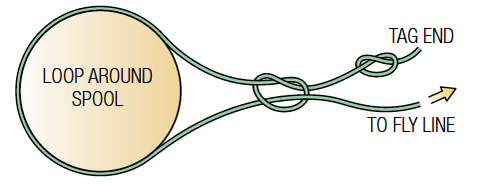
Start by wrapping the line around the reel spool. Make sure the line lies flat against the spool.
Tie an overhand knot with the tag end around the main line. Pull it tight against the spool.
- Wrap the line around the spool.
- Make an overhand knot with the tag end.
- Pull the knot tight to secure it.
- Make a second overhand knot on the tag end.
- Trim the excess line close to the knot.
The second knot stops the first from slipping. This keeps your line strong and secure on the reel.
Common Mistakes To Avoid
Do not tie the knot too far from the spool. This can cause the line to slip or tangle.
Avoid using too much line for the knot. Excess line can get caught or cause knots to fail.
- Not pulling the knot tight enough
- Leaving a long tag end after trimming
- Tying the knot away from the spool
- Using a damaged or frayed line
Spooling The Line Onto The Reel
Spooling the fishing line onto the reel is a key step before fishing. It helps you cast smoothly and prevents line problems.
Proper spooling keeps the line tight and ready for use. This guide covers how to keep tension and avoid line twists.
Ensuring Proper Tension
Keeping the right tension while spooling stops the line from tangling or slipping. Too loose or too tight can cause problems later.
- Attach the line to the reel spool securely.
- Hold the line between your fingers to keep it tight.
- Turn the reel handle slowly to wind the line.
- Maintain steady tension by applying light pressure with your fingers.
- Check the line is winding evenly across the spool.
Avoiding Line Twists
Line twists cause knots and tangles that reduce casting distance. Avoid twists by following these tips.
| Cause | Prevention Tip |
|---|---|
| Spooling with loose tension | Keep firm, even tension on the line |
| Reeling the line backwards | Always reel in the same direction |
| Using a swivel incorrectly | Attach swivels properly to allow line rotation |
| Line twisting before spooling | Let the line hang freely before attaching |
Testing The Line And Knot
After tying your fishing line to the reel, it is important to test the connection. This ensures the line holds strong and will not break during use.
Testing the line and knot helps prevent losing fish and avoids damage to your gear. Take time to check your setup carefully.
Checking For Knot Strength
Pull the line firmly to check the knot. The knot should stay tight and not slip or loosen under pressure.
Test the knot several times by pulling and releasing. If it loosens or slips, retie the knot to secure it better.
- Hold the knot close to the reel
- Pull the line with steady force
- Look for any movement or loosening
- Retie the knot if needed
Inspecting For Tangling
Check the line for any twists or loops that cause tangling. Tangled line can lead to casting problems and snags.
Run the line through your fingers to feel for knots or twists. Straighten the line before you start fishing.
- Look for loops near the reel spool
- Untwist any loops or coils
- Keep the line smooth and straight
- Rewind the line if tangles appear
Credit: monsterbass.com
Maintaining Your Fishing Line
Keeping your fishing line in good shape helps you catch more fish. Proper care stops the line from breaking or tangling.
Learn easy tips to store and check your line. These habits make your fishing gear last longer.
Storing The Line Correctly
Store your fishing line away from direct sunlight. Heat and light can weaken the line and cause damage.
- Keep line in a cool, dry place
- Avoid storing line near chemicals or sharp objects
- Use a sealed container or spool cover to prevent dust and dirt
- Loosen the line slightly on the spool to reduce tension
- Replace old spools that look worn or cracked
Routine Inspections
Check your fishing line regularly for signs of wear or damage. Inspecting helps prevent line failure while fishing.
| Inspection Point | What to Look For | Action to Take |
| Line Surface | Frays, nicks, or cuts | Cut and replace damaged sections |
| Knots | Slippage or loosening | Retie knots securely |
| Line Stretch | Loss of strength or elasticity | Consider changing the line |
| Spool Tension | Too tight or too loose | Adjust tension for smooth casting |
Frequently Asked Questions
How Do I Attach Fishing Line To A Reel?
Start by threading the line through the reel’s spool hole. Tie a secure knot, like an arbor knot. Tighten it firmly to prevent slipping. Trim excess line. This ensures your line stays attached and reels smoothly while fishing.
What Is The Best Knot For Tying Line To Reel?
The arbor knot is best for tying a fishing line to a reel. It’s simple, strong, and reliable. It prevents the line from slipping off the spool. Perfect for both beginners and experienced anglers.
How Much Fishing Line Should I Spool On The Reel?
Fill the reel spool about 1/8 inch from the edge. This prevents overfilling, which can cause tangles. Underfilling may reduce casting distance. Proper spooling ensures smooth casting and retrieval.
Can I Use Any Fishing Line With My Reel?
Most reels work with monofilament, fluorocarbon, or braided lines. Check your reel’s specifications for recommended line types and strengths. Using the right line improves performance and prevents damage.
Conclusion
Tying a fishing line to your reel is simple and important. A strong knot keeps your line secure and helps catch fish. Practice the steps slowly to avoid mistakes. Use the right knot for your fishing style. Keep your line tight and trim any extra ends.
This skill improves your fishing experience and saves time. Try it a few times before heading out. Soon, it will feel natural and easy. Happy fishing!