Are you struggling with tying your fishing line to the reel the right way? It might seem simple, but a poor knot can cost you your catch and waste your time.
Knowing how to tie your fishing line securely is one of the most important skills every angler needs. In this guide, you’ll learn easy, step-by-step methods that anyone can follow to make sure your line stays strong and reliable. Keep reading, and you’ll be ready to reel in your next big catch without any hassle.

Credit: www.reddit.com
Choosing The Right Line
Choosing the right fishing line is important for a good fishing experience. The line connects your rod and reel to the hook and bait.
Picking the correct line makes casting easier and helps catch fish better. Different lines work for different types of fishing.
Types Of Fishing Lines
There are three main types of fishing lines: monofilament, fluorocarbon, and braided. Each has its own strength and use.
- Monofilament:Soft and easy to handle. Good for beginners.
- Fluorocarbon:Almost invisible underwater. Best for clear water fishing.
- Braided:Very strong and thin. Good for heavy cover and long casting.
Matching Line To Reel
Not all lines fit every reel. Check your reel’s size and capacity before buying line.
| Reel Type | Line Type | Recommended Strength |
|---|---|---|
| Spinning Reel | Monofilament, Fluorocarbon | 6-12 lbs |
| Baitcasting Reel | Braided, Monofilament | 10-20 lbs |
| Spincast Reel | Monofilament | 8-15 lbs |
Preparing The Reel
Before tying a fishing line to your reel, you need to prepare the reel properly. This makes sure the line stays secure and works well while fishing.
Two important steps in preparing the reel are cleaning the spool and opening the bail. These help the line attach smoothly and prevent problems later.
Cleaning The Spool
The spool holds your fishing line, so it must be clean before you start. Dirt or old line can cause the new line to slip or tangle.
Use a soft cloth to wipe the spool. Remove any dirt, dust, or leftover line pieces. A clean spool helps the line wrap evenly.
- Remove old fishing line from the spool
- Wipe the spool surface with a dry cloth
- Check for any damage or rust
- Fix small rust spots if needed
Opening The Bail
The bail is the metal arm that guides the line onto the spool. Opening it lets you attach the line to the reel easily.
Flip the bail up to open it. This stops the spool from turning and lets you tie the line securely. Keep it open until the line is tied.
- Locate the bail arm on the reel
- Lift it gently to open
- Keep the bail open while tying the line
- Close the bail after tying and before casting
Attaching The Line
Attaching the fishing line to the reel is the first step in setting up your fishing gear. A secure attachment helps prevent the line from slipping during casting.
Using the right knot ensures your line stays tight and strong while fishing. This guide focuses on tying the line to the reel correctly.
Finding The Knot Point
First, locate the spool center on your reel. This is where the fishing line will wrap around.
Look for the small hole or notch on the spool edge. This spot helps secure the knot and keeps the line from slipping.
Tying The Arbor Knot
The arbor knot is simple and strong for attaching line to the reel spool. It holds the line tight during casting and retrieving.
Start by passing the line through the spool hole. Then tie a basic overhand knot close to the spool.
- Pass the line through the spool hole.
- Tie an overhand knot around the main line.
- Pull the knot tight against the spool.
- Wrap the tag end around the main line.
- Tie a second overhand knot on the tag end.
- Moisten the knots and pull tight firmly.
- Trim the extra tag end close to the knot.
Spooling The Line
When you are ready to tie a fishing line to the reel, spooling is crucial. Properly spooling ensures smooth casting and prevents tangles.
Follow these steps to spool your fishing line correctly. This will help you enjoy a trouble-free fishing experience.
Maintaining Tension
Keeping tension on the line is important when spooling. It prevents loose loops that can cause knots.
Ask someone to hold the line spool with a pencil through it. This keeps the line steady and adds tension.
- Hold the line tight between your fingers
- Keep the line taut while winding
- Avoid letting the line go slack
Filling The Spool
Filling the spool correctly is essential for good casting. Do not overfill or underfill the spool.
Stop winding when the line is about 1/8 inch below the rim of the spool. This helps prevent tangles and ensures smooth casting.
| Spool Size | Line Capacity |
| Small | 100 yards |
| Medium | 200 yards |
| Large | 300 yards |
Checking The Setup
Before you start fishing, it is important to check your line setup on the reel. A proper setup helps your fishing go smoothly. It also prevents problems like line twists or breaks.
Take time to look over your reel and line. Make sure the line is tied well and the length is right. This will help you catch fish without trouble.
Testing The Knot
After tying the fishing line to the reel, test the knot to ensure it is secure. A weak knot can slip or break easily. This could cause you to lose fish or gear.
Pull the line with steady force to check the knot’s strength. If it holds tight, your knot is safe. If it slips or loosens, retie the knot carefully.
- Pull the line firmly but not too hard
- Check that the knot stays tight without slipping
- Look for any weak spots or loose ends
- Retie if the knot feels weak or loose
Adjusting Line Length
Set the fishing line length correctly on your reel. Too much line can cause tangles and knots. Too little line limits your casting distance and control.
Wind the line evenly onto the reel. Leave a little space between the line and the reel edge. This helps the line come off smoothly when casting.
- Make sure the line is not wound too tight or too loose
- Keep about 1/8 inch of space from the reel edge
- Check line length often during fishing
- Adjust if you notice tangles or poor casting
Credit: www.epicflyrods.com
Common Mistakes To Avoid
Tying a fishing line to the reel seems easy but can cause problems if done wrong.
Some mistakes reduce casting distance or cause line breakage. Avoid these to fish better.
Overfilling The Spool
Putting too much line on the reel spool can cause tangles and reduce casting efficiency.
- Overfilled spools increase line friction during casting.
- Line may spill over the edges and cause snarls.
- Too much line can lead to uneven winding and damage.
- Leaving some space on the spool improves performance.
Loose Knots
Tying a loose knot lets the line slip off the reel. This causes line loss and wasted time.
| Knot Problem | Effect | How to Fix |
|---|---|---|
| Loose knot | Line slips from reel | Tighten knot firmly before trimming |
| Uneven knot | Knot weakens and breaks | Make sure wraps are neat and snug |
| Wrong knot type | Knot fails under tension | Use recommended knots for fishing line |

Credit: n1outdoors.com
Frequently Asked Questions
How Do I Start Tying A Fishing Line To The Reel?
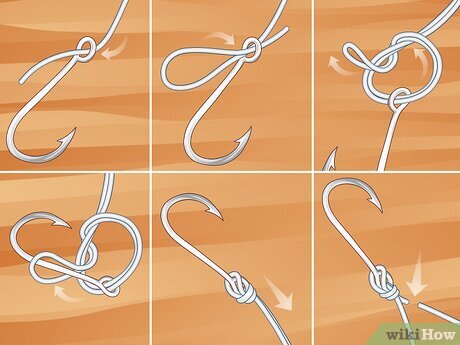
Begin by threading the line through the reel’s spool hole. Wrap it around the spool tightly. Secure it with an improved clinch knot for a strong hold.
What Knot Is Best For Attaching Line To Reel?
The improved clinch knot is the most reliable. It offers strength and holds well under tension. This knot is easy to tie and widely recommended by anglers.
Can I Use Any Fishing Line With My Reel?
Most reels work with monofilament, fluorocarbon, or braided lines. Check your reel’s specifications for line weight and type compatibility. Using the right line ensures smooth casting and durability.
How Much Line Should I Spool On The Reel?
Fill the spool about 1/8 inch below the rim. This prevents line overflows and tangles. Proper spooling improves casting distance and prevents line damage.
Conclusion
Tying a fishing line to the reel is simple with practice. Use the right knot to keep the line secure. Take your time and follow each step carefully. A strong connection helps catch more fish and avoids line loss. Keep your gear ready and check the knot before fishing.
Try it a few times to build confidence. Enjoy your fishing trips with a properly tied line.