Are you tired of losing fish because your lure keeps slipping off? Knowing how to tie a fishing lure knot the right way can make all the difference between a great catch and an empty hook.
You’ll learn simple, step-by-step techniques to secure your lure firmly every time. Mastering these knots will boost your confidence on the water and help you reel in more fish. Keep reading, and you’ll never have to worry about your lure coming loose again.
Choosing The Right Knot
Tying the correct knot is key for fishing success. The right knot keeps your lure secure and strong.
Different knots work better with different lines and lures. Choosing the right knot makes fishing easier.
Popular Knots For Fishing Lures
The improved clinch knot is a favorite for many anglers. It holds well and is simple to tie.
The Palomar knot is strong and works great with braided lines. It is quick to tie and reliable.
- Improved Clinch Knot: easy and strong for most lines
- Palomar Knot: best for braided lines and strength
- Loop Knot: allows lure to move naturally in water
- Uni Knot: versatile and good for many situations
Factors Affecting Knot Strength
Knot strength depends on the type of fishing line. Some lines hold knots better than others.
The way you tighten the knot also affects its strength. Tighten slowly and evenly to avoid slipping.
- Line type: monofilament, fluorocarbon, or braided
- Knot style: some knots hold better on certain lines
- Tightening method: smooth and firm tightening is best
- Wet knots: moisten line before tightening to protect it
Preparing Your Line And Lure
Tying a fishing lure knot starts with getting your line and lure ready. Good preparation makes the knot strong and reliable.
Pay close attention to your fishing line and lure before you tie the knot. This helps avoid problems while fishing.
Trimming And Checking The Line
Check your fishing line for any weak spots or frays. A damaged line can break easily when you catch a fish.
Trim the end of the line cleanly before tying the knot. A neat end helps the knot hold better and prevents slipping.
- Look closely for cuts, knots, or abrasions on the line
- Use scissors or clippers to cut a smooth, straight end
- Remove any dirt or debris from the line tip
- Make sure the line is dry and not tangled
Selecting The Appropriate Lure
Choose a lure that fits the type of fish you want to catch. The right lure improves your chances of success.
Consider the size, weight, and design of the lure. These factors affect how the lure moves in water and attracts fish.
- Pick a lure that matches the local fish species
- Use lighter lures for small fish and heavier ones for big fish
- Choose colors that look natural in your fishing area
- Check that the lure’s hooks are sharp and strong
Step-by-step Knot Tying
Tying a fishing lure knot properly keeps your lure secure. This guide shows easy steps to tie a strong knot.
Follow these simple instructions to ensure your fishing line stays attached to your lure.
Threading The Line Through The Eye
Start by passing the fishing line through the eye of the lure. Pull enough line to work with comfortably.
Make sure the line is straight and not twisted as you thread it through the eye.
Making The Initial Loop
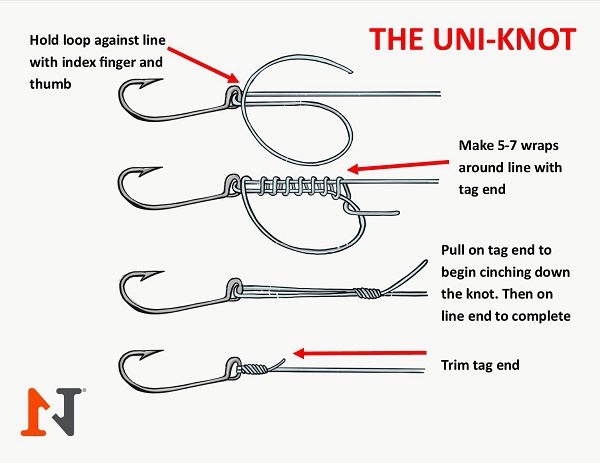
Create a small loop by doubling the line back alongside itself. This loop will help form the knot.
Hold the loop close to the lure’s eye to keep control while tying.
Wrapping The Line
Wrap the free end of the line around the doubled line. Do this 5 to 7 times for a strong knot.
- Keep wraps tight and neat
- Wrap away from the lure’s eye
- Use your fingers to guide the line
Securing The Knot
Pass the free end of the line through the small loop you made first. This locks the wraps in place.
Make sure the line goes through the loop smoothly without twisting.
Tightening And Trimming
Pull the main line and the free end to tighten the knot. Do this slowly to keep the wraps tight.
Once tight, trim the excess free end close to the knot. This keeps the knot neat and prevents snags.
Credit: medium.com
Testing Knot Strength
Testing the strength of your fishing lure knot is important for a good catch. A strong knot keeps the lure secure and prevents losing fish.
After tying the knot, you should check how well it holds under pressure. This step saves you from surprises while fishing.
Pulling Techniques
Use slow and steady pulls to test your knot. This method helps you see if the knot tightens properly and stays firm.
- Hold the lure firmly in one hand.
- Pull the fishing line gently with the other hand.
- Increase the force gradually until you feel resistance.
- Watch the knot closely for any slipping or loosening.
- Stop pulling if the knot moves or the line breaks.
Common Knot Failures
Knot failures happen for several reasons. Knowing these helps you avoid weak knots and lost fish.
| Failure Type | Cause | Effect |
| Slipping | Loose knot or wrong knot type | Lure detaches easily |
| Line Break | Over-tightening or damaged line | Line snaps under pressure |
| Loop Collapse | Incorrect knot formation | Knot loses strength |
Tips For Durable Knots
Tying a strong fishing lure knot is important for a good catch. A durable knot holds tight and lasts longer.
Using the right techniques helps keep your knots from slipping or breaking in water.
Using Proper Line Types
Choose the correct fishing line for your lure and knot type. Different lines work better with certain knots.
Monofilament, fluorocarbon, and braided lines each have unique properties. Use the one that fits your fishing style.
- Monofilament lines stretch and are easy to tie
- Fluorocarbon lines are strong and nearly invisible
- Braided lines are very strong but slippery
- Match the knot to the line for best results
Maintaining Knot Integrity
Keep your knots clean and tight to avoid failure. Wet the line before tightening the knot.
Trim tag ends close to the knot to prevent snagging. Check knots regularly for wear or damage.
- Wet the line to reduce friction
- Pull knots tight with steady pressure
- Cut tag ends short but leave a small tail
- Inspect knots before each fishing trip

Credit: www.wikihow.com

Credit: www.ohero.com
Frequently Asked Questions
How Do You Tie A Fishing Lure Knot?
To tie a fishing lure knot, start with a clean line. Thread the line through the lure eye. Create a loop and wrap the line around itself five times. Pass the end through the loop. Tighten the knot by pulling both ends.
Trim excess line for a neat finish.
What Is The Best Knot For Lures?
The Palomar knot is often considered the best for lures. It is strong, reliable, and easy to tie. The knot maintains line strength and works well with braided or monofilament lines. This knot is ideal for beginners and experienced anglers alike.
Can I Use Any Line For Lure Knots?
Not all fishing lines are suitable for lure knots. Monofilament, fluorocarbon, and braided lines are commonly used. Each has unique properties, like stretch or strength. Choose the line based on your fishing conditions and the fish you target. This ensures effective knot performance.
Why Does My Lure Knot Keep Slipping?
A slipping lure knot usually indicates improper tying. Ensure you wrap the line tightly and correctly. Wet the line before tightening to reduce friction. Check for any damage to the line. Regularly inspect and practice tying to improve your knot-tying skills and prevent slipping.
Conclusion
Tying a fishing lure knot takes practice but is worth the effort. Strong knots keep your lure secure and help catch more fish. Use the steps shared to tie knots with confidence. Keep your lines tight and check knots often for safety.
Enjoy your fishing trips with better skills and less frustration. Small improvements make a big difference on the water. Try different knots to find what works best for you. Keep learning and fishing will become even more fun.