Are you tired of your fishing setup falling apart just when you’re about to catch a big one? Knowing how to tie a hook and weight on your fishing line the right way can make all the difference between a successful catch and a frustrating day by the water.
In this guide, you’ll learn simple, step-by-step methods that even beginners can master quickly. By the time you finish reading, you’ll have the confidence to set up your line like a pro and increase your chances of landing that prized fish.
Ready to improve your fishing skills? Let’s dive in!

Credit: www.reddit.com
Choosing The Right Hook And Weight
Choosing the correct hook and weight is key to successful fishing. The right gear helps bait stay in place and sink properly.
This guide explains types of hooks, how to pick the weight, and how to match both to fishing conditions.
Types Of Fishing Hooks
Fishing hooks come in many shapes and sizes. Each type suits different fish and bait.
- J-Hooks: Common, good for many fish types.
- Circle Hooks: Hook fish in the corner of the mouth.
- Treble Hooks: Three points, used for lures.
- Siwash Hooks: Long shank, used with spinners.
- Octopus Hooks: Short shank, good for live bait.
Selecting The Appropriate Weight
Weights help your bait sink to the right depth. Use light weights for shallow water and heavy weights for deep water.
| Weight Type | Use |
| Split Shot | Small, for light sink |
| Egg Sinkers | Smooth sinking in currents |
| Pyramid Sinkers | Hold bait in sandy or muddy bottoms |
| Bank Sinkers | Heavy, for strong currents |
Matching Hook And Weight To Fishing Conditions
Match hook size and weight to water depth, current, and fish size. Use heavier weights in strong currents.
- Small hooks with light weights for panfish in calm water.
- Medium hooks and medium weights for bass in lakes.
- Large hooks and heavy weights for catfish in rivers.
- Use weights that let bait move naturally without dragging.
Preparing Your Fishing Line
Preparing your fishing line is an important step before tying a hook and weight. It helps ensure a strong, smooth setup. Taking time to prepare the line can improve your fishing experience.
This guide covers cutting the line to length, checking its strength, and removing twists. Follow these tips to get your line ready.
Cutting The Line To Length
Cutting the fishing line to the right length is key. Too short limits your casting range. Too long can cause tangles and knots.
- Measure the distance you want to cast.
- Add extra line for tying knots and attaching gear.
- Use sharp scissors or a line cutter for a clean cut.
Checking Line Strength
Checking the line strength helps avoid breaks while fishing. Different fish need different strengths.
| Line Type | Recommended Strength (lbs) |
| Light Line | 4–8 |
| Medium Line | 10–20 |
| Heavy Line | 25–50 |
Test the line by gently pulling it. If it stretches or breaks easily, choose a stronger line.
Removing Line Twists
Line twists cause tangles and weak spots. Removing them keeps your setup smooth and strong.
- Let the line hang freely and spin it slowly.
- Use a swivel between the line and hook to reduce twisting.
- Run your fingers along the line to feel for twists or loops.
- Re-spool if you notice many twists or knots.
Attaching The Hook To The Line
Fishing requires proper technique to ensure success. Attaching the hook correctly is crucial. It helps secure your bait and increases your chances of catching fish.
Learning to tie a hook and weight on fishing line is a valuable skill. It involves specific knot techniques that hold under pressure. Let’s explore some common methods.
Common Knot Techniques
Several knot techniques can be used to attach hooks. Each has its own benefits and is suited for different conditions. Here are a few popular ones:
- Improved Clinch Knot
- Palomar Knot
- Uni Knot
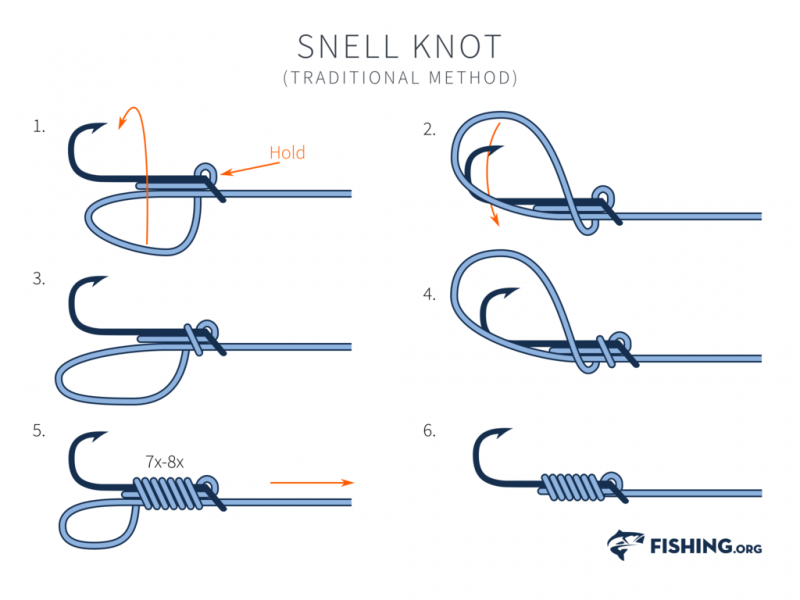
Step-by-step Knot Tying
Follow these steps to tie an Improved Clinch Knot. This knot is reliable and easy to learn.
- Thread the line through the hook’s eye.
- Wrap the line around itself five times.
- Pass the end through the loop near the hook.
- Pull the end through the big loop you just made.
- Tighten the knot by pulling on the line and the hook.
Securing The Hook
After tying the knot, check its security. This ensures it won’t slip during fishing. A strong knot keeps your hook in place.
With practice, these techniques become second nature. A well-tied knot gives confidence and improves your fishing experience.
Credit: medium.com
Adding The Weight To The Line
Adding a weight to your fishing line helps your bait sink faster. It keeps your hook in the right spot in the water.
There are different ways to add weights. You can choose sliding or fixed weights based on your fishing style.
Sliding Vs Fixed Weights
Sliding weights can move freely on the line. This lets fish take the bait without feeling the weight.
Fixed weights stay in one place. They give more control over where the bait goes in the water.
- Sliding weights slide between two knots or beads
- Fixed weights are tied or crimped to a spot on the line
- Sliding weights are good for sensitive bites
- Fixed weights help with precise casting
Positioning The Weight
Place the weight depending on the depth you want to fish. Closer to the hook for bottom fishing.
For surface or mid-water fishing, put the weight further up the line. This helps the bait float naturally.
- Near the hook for deep water or bottom fishing
- Farther from the hook for floating baits
- Adjust the distance to control bait movement
Securing The Weight
Tie a strong knot to keep fixed weights in place. Use knots like the Palomar or improved clinch knot.
For sliding weights, add a small stopper knot or bead above the weight. This stops it from sliding too far.
- Tie knots tightly to prevent slipping
- Use beads to protect knots from weight damage
- Check knots often to avoid losing weights
Tips For A Strong And Reliable Setup
Tying a hook and weight on your fishing line correctly helps catch more fish. A strong setup keeps your gear secure and prevents losing fish.
Use the right knots and check your line often. This guide shows how to test knots, avoid line damage, and place weights well.
Testing Knot Strength
After tying your hook and weight, test the knot to make sure it holds tight. A weak knot can break easily.
- Pull the line slowly to check for slippage.
- Look for any looseness or gaps in the knot.
- Retie if the knot slips or feels weak.
- Practice tying knots to improve strength.
Avoiding Line Damage
Damaged fishing line breaks more often. Protect your line during knot tying and use the right tools.
| Cause of Damage | How to Prevent |
|---|---|
| Sharp hooks | Handle hooks carefully; avoid rubbing line on hooks |
| Tight knots | Moisten line before tightening knots |
| Rough surfaces | Keep line away from rocks or sharp edges |
| Old or worn line | Replace line regularly to avoid weak spots |
Adjusting Weight Placement
The weight position affects bait movement and line tension. Place weights to improve casting and fish bites.
- Put weights 12 to 18 inches above the hook for natural bait movement.
- Adjust weight distance if you need to cast farther.
- Use lighter weights in shallow water to avoid scaring fish.
- Heavier weights help in fast currents but may reduce sensitivity.

Credit: jimswansonmanofthewoods.wordpress.com
Troubleshooting Common Issues
Tying a hook and weight on a fishing line can be tricky. Many anglers face problems like loose knots, tangled lines, and slipping weights. Fixing these issues helps catch more fish and prevents gear loss.
This guide covers common problems and easy ways to solve them. Follow these tips to improve your fishing setup and enjoy better results.
Loose Knots
Loose knots cause your hook or weight to fall off. This happens when the knot is not tight or tied incorrectly.
- Wet the line before tightening the knot to reduce friction.
- Pull the knot slowly and firmly to make it tight.
- Use simple knots like the improved clinch knot or Palomar knot.
- Trim extra tag ends close to the knot to avoid snagging.
Line Tangling
Line tangling happens when the fishing line twists or loops around itself. It makes casting hard and may cause lost catches.
| Cause | Fix |
|---|---|
| Overwinding reel | Reel line slowly and evenly |
| Wrong knot type | Use knots that reduce line twist |
| Loose line on spool | Keep line tight when spooling |
| Using too light or old line | Check line condition and replace if needed |
Weight Slipping
Weights can slip if they are not secured properly on the line. This affects casting distance and bait presentation.
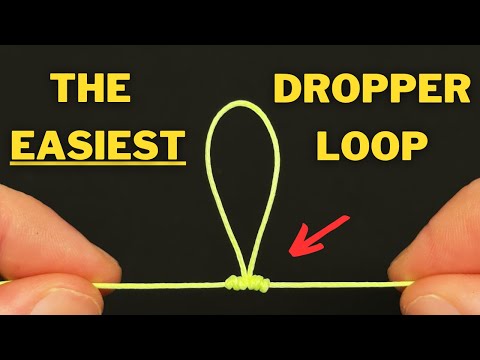
- Use a proper knot like the dropper loop to hold the weight.
- Check the weight’s hole size matches the line thickness.
- Add a small stopper knot above the weight for extra hold.
- Inspect knots regularly and retie if needed.
Frequently Asked Questions
How Do You Tie A Hook To A Fishing Line?
To tie a hook, thread the line through the hook eye. Make a loop and wrap the tag end around the line five times. Pull the tag end through the loop and tighten. This creates a strong, secure knot for fishing.
What Is The Best Knot For Attaching Weights?
The improved clinch knot is ideal for attaching weights. It is simple, reliable, and holds well under pressure. Thread the line through the weight eye, wrap around five times, then pass the tag end through the loop before tightening.
How Tight Should The Knot Be When Fishing?
The knot should be tight but not overly strained. Pull firmly to secure the knot without damaging the line. A properly tightened knot ensures strength and prevents slipping during fishing.
Can I Tie A Hook And Weight On The Same Line?
Yes, tie the hook first, then attach the weight below it. This setup balances the bait and improves casting distance. Make sure both knots are secure to avoid losing tackle.
Conclusion
Tying a hook and weight on your fishing line is simple. Practice the steps until you feel confident. A strong knot keeps your catch secure. Choose the right weight for better casting and balance. This skill improves your fishing experience.
Keep your line neat and knots tight. Try different knots to find what suits you best. Enjoy more successful fishing trips with this basic skill. Fishing becomes easier and more fun with practice. Keep learning and experimenting for better results.