
If you enjoy crafting, knowing how to tie a knot in fishing line can open up a world of creative possibilities. Whether you’re making jewelry, decorations, or even DIY gifts, a strong and reliable knot is key to keeping your project intact.
You might think tying knots is tricky or time-consuming, but once you learn the simple techniques, you’ll save time and frustration. In this guide, you’ll discover easy steps to master fishing line knots that will make your crafts look professional and last longer.
Ready to take your crafting skills up a notch? Keep reading and unlock the secret to perfect knots every time.
Choosing The Right Fishing Line
Choosing the right fishing line is important for making crafts. Different lines have different features. Picking the best one helps your craft hold well.
We will look at types of fishing lines, their strength and thickness, and how to select the best line for your craft projects.
Types Of Fishing Lines
Fishing lines come in several types. Each type has its own use and feel. Some are thin and clear, others are strong and thick. Choose the type that fits your craft needs.
- Monofilament: A single strand, flexible and cheap.
- Fluorocarbon: Clear, strong, and less visible.
- Braid: Made of many fibers, very strong and thin.
- Wire: Metal line, used for heavy-duty crafts.
Line Strength And Thickness
Strength is how much weight a line can hold. Thickness is the line’s width. Stronger lines are thicker but less flexible. Thinner lines are easier to tie but may break more.
| Line Type | Strength (lbs) | Thickness (mm) |
| Monofilament | 4-30 | 0.10-0.40 |
| Fluorocarbon | 6-40 | 0.12-0.45 |
| Braid | 10-80 | 0.06-0.30 |
| Wire | 20-100+ | 0.15-0.50 |
Selecting Line For Crafts
Pick a line that fits your craft’s size and strength needs. Thin lines work well for delicate crafts. Strong lines suit heavy or outdoor projects.
Tips for selecting fishing line for crafts:
- Use monofilament for easy tying and good flexibility.
- Choose fluorocarbon if you want clear, invisible lines.
- Braid lines hold more weight with less stretch.
- Wire lines are best for sturdy and strong designs.
- Match line strength to the weight your craft must hold.
- Consider thickness for how neat your knots look.
Essential Tools For Knot Tying
Tying knots in fishing line for crafts needs some simple tools. These tools make the process easier and neat.
Using the right tools helps you tie strong, clean knots for your projects.
Scissors And Clippers
Scissors and clippers cut fishing lines cleanly. This prevents fraying and weak knots.
Sharp scissors give smooth cuts. Clippers work well for thicker lines or braided cords.
- Use small, sharp scissors for thin lines
- Choose strong clippers for heavy lines
- Keep blades clean and sharp
Tweezers And Needle Nose Pliers
Tweezers help hold small knots tightly. They give control when pulling lines through loops.
Needle nose pliers grip the line firmly. They help tighten knots without slipping.
- Tweezers are good for delicate work
- Pliers add strength for tough lines
- Use tools to avoid damaging the line
Magnifying Glass And Work Surface
A magnifying glass shows fine details of the knot. It helps when working with thin lines.
A clean, flat work surface keeps tools and line steady. This makes knot tying easier and faster.
- Magnify small loops and twists clearly
- Use a non-slip mat for steady work
- Good lighting improves visibility
Basic Knot Types For Crafts
Tying knots in fishing line is useful for many craft projects. Knowing simple knots helps create strong and neat designs. This guide covers three basic knots to try.
Each knot has a special use and can hold your craft securely. Practice these knots for better results in your projects.
Overhand Knot
The overhand knot is the simplest knot to tie. It forms a small loop and keeps the line from slipping through holes. Use it as a stopper or to add weight to your craft.
- Make a loop with the line.
- Pass the end through the loop.
- Pull tight to secure the knot.
Square Knot
The square knot joins two lines of equal thickness. It lies flat and is easy to untie. This knot is good for attaching parts in crafts.
| Action | How to Tie |
|---|---|
| First Cross | Cross right line over left and tie a simple knot. |
| Second Cross | Cross left line over right and tie again. |
| Finish | Pull both ends to tighten the knot evenly. |
Surgeon’s Knot
The surgeon’s knot is like the square knot but adds an extra twist. This makes it stronger and less likely to slip. It works well for tying slippery fishing line in crafts.
- Start like a square knot by crossing lines.
- Pass the ends through the first loop twice.
- Complete the knot with a second crossing and pull tight.

Credit: www.wikihow.com
Step-by-step Knot Tying Techniques
Tying knots in fishing line is useful for many craft projects. It helps secure beads, hooks, and other items firmly.
This guide shows clear steps to tie strong knots with fishing line. Follow each part carefully to get good results.
Preparing The Line
Start by cutting a clean piece of fishing line. Make sure the end is smooth to avoid fraying.
Hold the line firmly and choose the right length for your craft. Longer lines give more room to work.
- Cut the line with sharp scissors
- Check the line for any damage
- Measure the length needed for your project
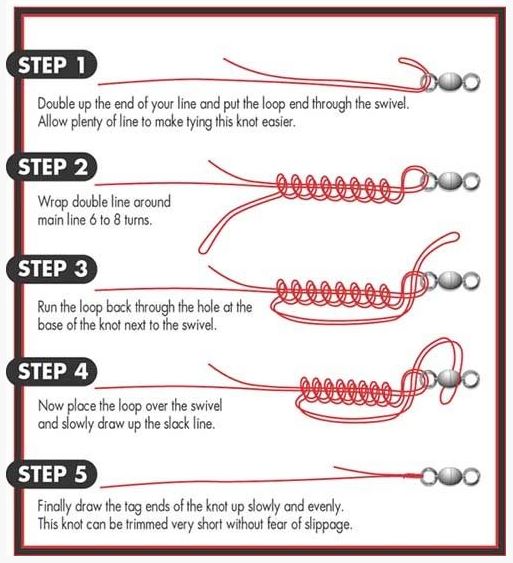
Forming The Knot
Create a loop at the end of the line. This loop will be the base of your knot.
Wrap the free end around the main line several times. The number of wraps depends on the knot style you want.
- Make a small loop near the end
- Wrap the free end around the main line 4-6 times
- Pass the free end back through the loop
Tightening And Securing
Hold the knot and pull both ends slowly. This action tightens the knot firmly without slipping.
Wet the knot with water before pulling. This reduces friction and helps the knot tighten smoothly.
- Moisten the knot with water or saliva
- Pull the main line and free end evenly
- Check the knot for tightness and security
Tips For Strong And Neat Knots
Tying a strong knot in fishing line is important for crafts. A neat knot holds well and looks clean.
Use simple steps to make your knots both tight and tidy. This helps your craft last longer.
Moistening The Knot
Moistening the knot before tightening helps reduce friction. It stops the line from weakening or breaking.
Use water or saliva to wet the knot gently. This allows the knot to tighten smoothly and hold better.
Avoiding Slippage
Slippage makes the knot loose and weak. Keep the line tight while tying to prevent this problem.
- Hold both ends firmly
- Wrap the line properly around itself
- Pull slowly and evenly to tighten
- Use extra wraps for slippery lines
Trimming Excess Line
Cutting off extra line makes the knot look neat. Leave a small tag to avoid the knot slipping.
Use sharp scissors or clippers for a clean cut. Trim close but not too close to the knot.

Credit: thebearessentials.com
Creative Uses Of Knots In Crafts
Tying knots in fishing line adds strength and style to many crafts. You can make unique items by learning simple knot techniques. This skill helps in jewelry, decoration, and useful projects.
Fishing line is clear and strong, making it perfect for crafts that need invisible support. Let’s explore how knots can enhance your creative work.
Jewelry Making
Knots help connect beads and charms securely. They add design elements to bracelets and necklaces. Using knots prevents beads from slipping and keeps your pieces durable.
- Use a simple overhand knot to secure beads in place.
- Create sliding knots for adjustable bracelet sizes.
- Try the surgeon’s knot for extra strong connections.
- Combine knots with charms for unique styles.
Decorative Items
Knots add texture and patterns to home decorations. Use fishing line knots to hang ornaments or make wall art. The line’s transparency keeps focus on the design.
| Knot Type | Use | Effect |
| Square Knot | Hanging decorations | Strong hold and neat look |
| Bowline Knot | Loop for hanging | Secure loop that won’t slip |
| Figure Eight Knot | Stopper knot | Prevents line from slipping |
Functional Craft Projects
Knots make crafts functional and long-lasting. Use them to join parts or create handles. Knowing the right knot helps your projects hold together well.
- Tie a double fisherman’s knot to join two lines tightly.
- Use a clove hitch knot to fix lines to poles or sticks.
- Try a slip knot for adjustable loops in bags or holders.
- Practice tension knots to keep parts firm and stable.
Troubleshooting Common Knot Issues
Tying knots in fishing line for crafts can be tricky. Problems like knots coming loose or line damage happen often.
Knowing how to fix these issues helps make your crafts stronger and neater.
Knots Coming Loose
Knots can slip or open if not tied tightly. This is common with slick or thin lines.
Make sure to wet the line before tightening the knot. Pull the knot slowly and firmly to secure it.
- Use double or triple knots for extra hold
- Choose knots designed for your line type
- Check the knot before starting your project
Line Damage And Fraying
Sharp knots or tight pulling can damage your fishing line. Frayed lines break easily and look messy.
Inspect your line for damage before tying. Trim any rough or worn parts to avoid weak knots.
- Avoid over-tightening the knot
- Use smooth knots that spread pressure evenly
- Replace line if it shows signs of wear
Adjusting Knot Size
Knot size matters for craft projects. Large knots may look bulky, while small knots might be weak.
Adjust the number of wraps or loops in your knot to change its size. Practice to find the right balance.
- More wraps create bigger, stronger knots
- Fewer wraps make smaller, neater knots
- Test different sizes on scrap line before final use
Credit: www.beadinggem.com
Frequently Asked Questions
What Type Of Fishing Line Is Best For Crafts?
Monofilament fishing line is ideal for crafts. It’s flexible, clear, and easy to knot, making it perfect for various projects.
How Do You Tie A Strong Knot In Fishing Line?
Use the improved clinch knot for strength. Pass the line through the eye, wrap five times, and tighten securely.
Can Fishing Line Knots Be Used For Jewelry Making?
Yes, fishing line knots are great for jewelry. They provide durability and a clean, nearly invisible finish for necklaces and bracelets.
How To Prevent Fishing Line Knots From Slipping?
Wet the line before tightening knots. This reduces friction and ensures the knot holds firm without weakening the line.
Conclusion
Tying a knot in fishing line for crafts is simple with practice. Choose the right knot for your project. Take your time and follow each step carefully. Strong knots keep your crafts secure and lasting. Try different knots to find what works best.
Soon, you will create neat and sturdy crafts easily. Keep practicing and enjoy your creative projects more.