You’ve got your fishing gear ready, but do you know how to tie a knot with fishing line that won’t slip or break? The right knot can make all the difference between landing a big catch and losing it at the last moment.
Whether you’re a beginner or looking to sharpen your skills, mastering this simple yet essential technique will boost your confidence and improve your fishing experience. Keep reading, and you’ll discover easy steps to tie strong, reliable knots every time you head out to fish.
Choosing The Right Knot
Fishing line knots hold your gear together. Picking the right knot keeps your line strong and secure. Different knots fit different needs and line types.
Understanding which knot to use helps you catch more fish and avoid losing your tackle.
Knots For Beginners
Simple knots work well for beginners. They are easy to tie and reliable for most fishing tasks. Learning these knots builds your confidence.
- Improved Clinch Knot: Easy to tie and holds well.
- Palomar Knot: Strong and simple to make.
- Loop Knot: Allows bait to move naturally.
Knots For Strength
Strong knots resist breaking under pressure. Use these knots when targeting big fish or heavy lines. They keep your gear safe during tough fights.
| Knot | Strength | Use |
| Uni Knot | High | Tying hooks and lures |
| Double Surgeon’s Knot | Very High | Joining two lines |
| Albright Knot | High | Connecting different line types |
Knots For Different Fishing Lines
Different lines need different knots. Monofilament, fluorocarbon, and braided lines each behave differently. Choose knots that work best for your line type.
Line Type and Knot Suggestions:
- Monofilament:Use Improved Clinch or Palomar Knots.
- Fluorocarbon:Try Uni Knot or Double Uni Knot for strength.
- Braided Line:Use Palomar or Double Surgeon’s Knot for best hold.
Credit: medium.com
Preparing Your Fishing Line
Tying a knot with fishing line is a basic skill for anglers. Proper preparation ensures your knot is strong and reliable.
Before you start, make sure your fishing line is ready. This means cutting it properly, moistening it, and checking it for damage.
Cutting The Line
Use sharp scissors to cut the fishing line. A clean cut prevents fraying and makes knot tying easier.
Avoid using dull tools as they can damage the line. A smooth cut helps in creating a strong knot.
Moistening The Line
Moisten the line before tying the knot. This reduces friction and makes the knot tighter.
Use water or saliva for moistening. It helps in smoothly pulling the knot tight without breaking the line.
Checking For Damage
Inspect the line for any damage. Look for frays, nicks, or weak spots.
If you find any damage, cut off the affected section. A strong line ensures your knot holds under tension.
- Look for visible nicks or frays
- Feel the line for weak spots
- Replace damaged sections immediately
Step-by-step Knot Tying
Tying a knot with fishing line is a simple skill that helps keep your catch secure. This guide shows you clear steps for a strong knot.
Follow these easy instructions to tie your knot correctly every time you fish.
Basic Knot Tying Technique
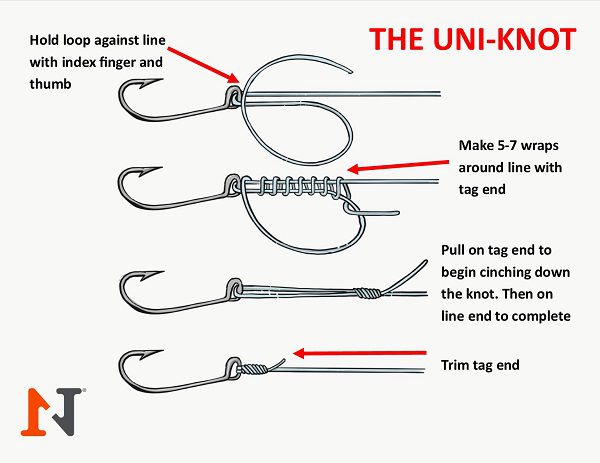
Start by threading the fishing line through the hook eye. Double the line back to make a loop. Wrap the tag end around the standing line several times.
- Pass the tag end through the loop near the eye.
- Make five to seven tight wraps around the standing line.
- Thread the tag end through the big loop you created.
- Pull the tag end to tighten the wraps snugly.
Securing The Knot
After wrapping, pull the standing line and tag end slowly. This action locks the knot in place. Keep the knot wet to avoid friction damage.
- Hold the wraps firmly while pulling.
- Make sure the knot slides smoothly and tightens evenly.
- Wet the line with water or saliva before final tightening.
- Check that the knot looks neat and compact.
Trimming Excess Line
Cut off the extra tag end close to the knot. Leave a small tail to prevent slipping. Use sharp scissors for a clean cut.
| Tool | Purpose | Tip |
| Sharp scissors | Trim excess line | Cut close but leave 3mm tail |
| Line cutter | Quick cutting | Hold knot steady while cutting |
| Knife | Precision cutting | Use carefully to avoid damage |
Common Knots For Fishing
Tying the right knot with fishing line is important for catching fish. A good knot holds the line tight and does not slip. Many anglers use simple knots that work well in most situations.
Here are three common knots that every fisherman should know. Each knot has its own use and strength. Learning these knots will help you fish with confidence.
Improved Clinch Knot
The Improved Clinch Knot is popular for tying the fishing line to a hook or lure. It is strong and easy to tie. This knot works well with most types of fishing lines.
- Thread the line through the eye of the hook.
- Wrap the tag end around the standing line 5 to 7 times.
- Pass the tag end through the small loop near the eye.
- Then pass the tag end through the big loop just created.
- Wet the knot and pull both ends to tighten.
Palomar Knot
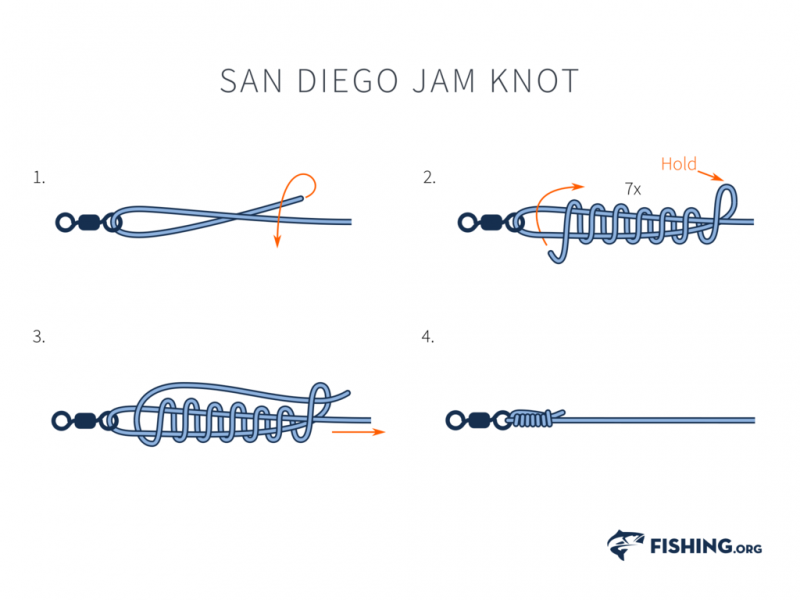
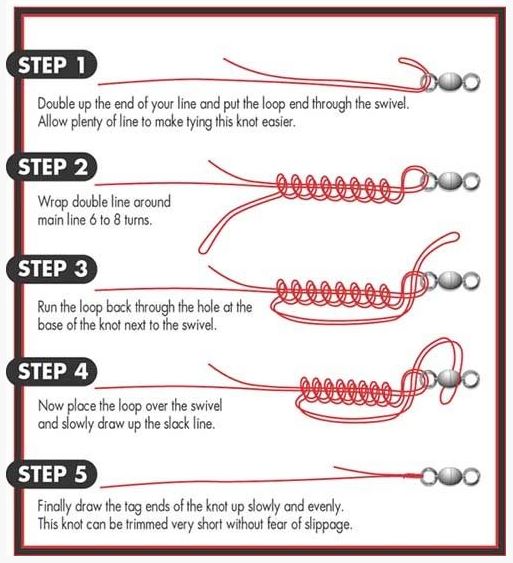
The Palomar Knot is known for its strength and simplicity. It is good for braided and monofilament lines. This knot keeps the line strong and does not slip easily.
- Double about 6 inches of line and pass it through the hook eye.
- Tie a loose overhand knot with the doubled line.
- Pass the hook through the loop of the overhand knot.
- Pull on both the tag end and standing line to tighten.
- Trim the tag end close to the knot.
Uni Knot
The Uni Knot is very versatile. It works well for attaching the line to hooks, lures, or swivels. It is also easy to adjust before tightening.
| Step | Action |
|---|---|
| 1 | Pass the line through the hook eye and double back parallel. |
| 2 | Make a loop by laying the tag end over the doubled line. |
| 3 | Wrap the tag end around both lines 5 times. |
| 4 | Pull the tag end to tighten the coils around the doubled line. |
| 5 | Slide the knot down to the eye and pull the standing line to secure. |
Tips For Stronger Holds
Tying a strong knot with fishing line keeps your catch secure. Small mistakes can cause the knot to fail.
Use these tips to make your knots hold better and last longer.
Proper Tension
Apply the right tension when tying your knot. Too tight can weaken the line. Too loose can cause slipping.
- Pull the knot firmly but gently
- Keep the line straight to avoid twists
- Moisten the knot before tightening
- Let the knot settle before full tension
Avoiding Slippage
Slippage happens when the knot does not hold the line tightly. Use knot types designed for fishing lines.
| Knot Type | Best For |
| Palomar Knot | Strong, works on braided and monofilament |
| Improved Clinch Knot | Popular, easy to tie |
| Uni Knot | Versatile, good for hooks and swivels |
| Blood Knot | Joining two lines |
Regular Knot Inspection
Check your knots often while fishing. Water and movement can weaken knots over time.
- Look for frayed or damaged line near the knot
- Retie knots if you see any signs of wear
- Test knots by pulling firmly before casting
Credit: www.beadinggem.com
Troubleshooting Knot Issues
Tying knots with fishing line can be tricky at times. Some common problems include knots slipping or the line breaking.
Understanding how to fix these issues helps keep your fishing line strong and secure. This guide covers ways to solve these knot troubles.
Fixing Slipped Knots
Knots slip when they are not tied tightly or the line is too smooth. To fix this, make sure to wet the line before tightening the knot. Pull the knot slowly and firmly to set it.
- Use more wraps in the knot for better grip
- Check that the knot is snug against the eye of the hook
- Trim the tag end close to the knot
- Test the knot by pulling hard before fishing
Dealing With Line Breakage
Line breaks happen because of weak spots or sharp edges. Avoid damage by inspecting your line often. Replace the line if it shows signs of wear.
| Cause | Fix |
| Sharp hook eye | File smooth or use protective tubing |
| Abrasion from rocks | Keep line away from rough surfaces |
| Old or sun-damaged line | Replace line regularly |
| Incorrect knot tying | Retie knots properly and test |
Re-tying Knots Efficiently
When a knot fails, re-tying quickly saves time. Follow a simple process to avoid frustration and keep fishing.
- Cut off the damaged part of the line
- Wet the line before tying the new knot
- Make sure the knot is tight and neat
- Trim the tag end close to the knot
- Pull hard on the knot to test strength

Credit: www.wikihow.com
Frequently Asked Questions
What Is The Best Knot For Fishing Line?
The improved clinch knot is the best for fishing line. It is strong, easy to tie, and reliable for most fishing situations. This knot secures the hook or lure firmly without slipping, making it popular among anglers.
How Do I Tie A Fishing Line Knot Quickly?
To tie a fishing line knot quickly, use the Palomar knot. Double the line, pass it through the eye, tie a simple overhand knot, then pull the loop over the hook. It is fast, strong, and easy to learn.
Can I Use The Same Knot For All Fishing Lines?
No, knot choice depends on line type and strength. Monofilament, fluorocarbon, and braided lines each require specific knots for best results. Always choose a knot that matches your line material and fishing needs to ensure maximum hold and durability.
How Tight Should I Pull The Fishing Knot?
Pull the fishing knot firmly but not excessively. Too much force can weaken the line or cause it to break. Tighten until the knot is secure and snug against the hook eye or lure, ensuring it won’t slip during casting or fighting fish.
Conclusion
Tying a knot with fishing line takes practice and patience. Use the right knot for your fishing needs. Keep the line tight and neat for a strong hold. Test your knot before casting to avoid losing fish. Simple steps make fishing more enjoyable and successful.
Remember, good knots help catch more fish safely. Keep practicing, and your skills will improve over time. Fishing becomes easier when you trust your knots. Try different knots and find the best one for you. Enjoy your time on the water with confidence.