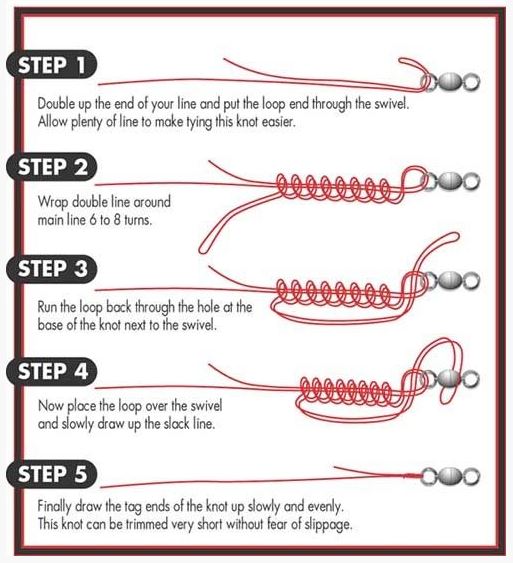
If you want to catch more fish, knowing how to tie a strong knot with your fishing line is a must. A well-tied knot keeps your bait secure and prevents you from losing your catch.
But if you’ve ever struggled with tangled lines or knots that slip, you’re not alone. This guide will show you simple, reliable ways to tie fishing knots that anyone can learn. Keep reading, and you’ll soon have the confidence to tie knots that hold tight every time you cast your line.

Credit: www.youtube.com
Choosing The Right Fishing Line
Choosing the right fishing line is important for tying a strong knot. The fishing line must fit your fishing style and the fish you want to catch.
Different lines have different strengths and uses. Knowing these helps you pick the best one for your needs.
Types Of Fishing Lines
There are three main types of fishing lines: monofilament, fluorocarbon, and braided. Each type works best in different situations.
- Monofilament:Soft and stretchable, good for beginners.
- Fluorocarbon:Harder to see underwater and sinks faster.
- Braided:Very strong and thin, with little stretch.
Line Strength And Flexibility
Line strength is the amount of weight the line can hold before breaking. Flexibility is how much the line can bend or stretch.
Stronger lines hold bigger fish but can be thicker. More flexible lines help tie better knots and absorb shocks.
| Line Type | Strength | Flexibility |
|---|---|---|
| Monofilament | Medium | High |
| Fluorocarbon | High | Medium |
| Braided | Very High | Low |
Matching Line To Fishing Conditions
Choose a fishing line that suits the water type and fish species. Clear water calls for invisible lines like fluorocarbon.
In rough water, use strong braided lines. For light fishing in calm water, monofilament works well.
- Use fluorocarbon for clear water and wary fish
- Use braided line in heavy cover or strong currents
- Use monofilament for general fishing and easy knot tying
Essential Knot Types For Fishing
Tying a strong knot is important for fishing. It keeps the line secure and helps catch fish.
There are several knots you should know. Each knot works best in different fishing situations.
Improved Clinch Knot
The Improved Clinch Knot is popular for tying hooks to the line. It is easy and holds well.
To tie it, pass the line through the hook eye. Wrap the tag end around the main line five times. Then, pass the tag end through the loop near the eye. Pull tight to secure.
- Strong and reliable
- Works best with monofilament line
- Simple to tie quickly
Palomar Knot
The Palomar Knot is very strong and easy to tie. It works well with braided and monofilament lines.
Double the line and pass it through the hook eye. Tie a loose overhand knot with the doubled line. Pass the hook through the loop. Pull both ends to tighten the knot.
- High strength for heavy fish
- Minimal line weakening
- Good for hooks, lures, and swivels
Uni Knot
The Uni Knot is versatile and easy to adjust. It works well for attaching line to hooks or joining two lines.
Pass the line through the eye and make a loop. Wrap the tag end around the main line five to six times. Pull the tag end to tighten the coils. Slide the knot down and pull tight.
- Useful for many fishing setups
- Strong and easy to tie
- Good knot for beginners
Loop Knot
The Loop Knot creates a fixed loop at the end of the line. It allows lures to move freely and look natural.
Make an overhand knot with the line. Pass the tag end through the hook eye. Then, pass the tag end back through the overhand knot. Pull tight to form a loop.
- Keeps lure movement free
- Good for live bait or large lures
- Simple and effective knot
Step-by-step Knot Tying Techniques
Tying a knot with fishing line is easy if you follow the steps carefully. A strong knot keeps your hook and bait secure.
This guide shows you how to tie a knot with fishing line in simple steps. You will learn to prepare, form, tighten, and trim the knot.
Preparing The Line
Start by cutting a clean piece of fishing line. Make sure the line is smooth and free of knots or damage.
Wet the line with water or saliva before tying. This helps reduce friction and keeps the line strong.
Forming The Knot
Pass the end of the line through the eye of the hook or lure. Pull enough line through to make loops.
Wrap the loose end around the main line several times. Usually, five to seven wraps work well.
- Pass the end back through the loop near the eye
- Make sure the wraps lie neatly side by side
- Hold the wraps tight while moving to the next step
Securing And Tightening
Pull the loose end slowly to tighten the wraps. Keep the knot centered near the hook eye.
Hold the main line and the hook firmly. Pull the main line to secure the knot completely.
- Do not pull too fast to avoid weakening the line
- Check if the knot looks tight and firm
- If loose, repeat the wrapping and tightening
Trimming The Excess
Use sharp scissors or clippers to trim the loose end of the line. Leave about a quarter inch to prevent slipping.
Make sure the trimmed end does not stick out too much. This keeps your knot neat and less likely to catch weeds.
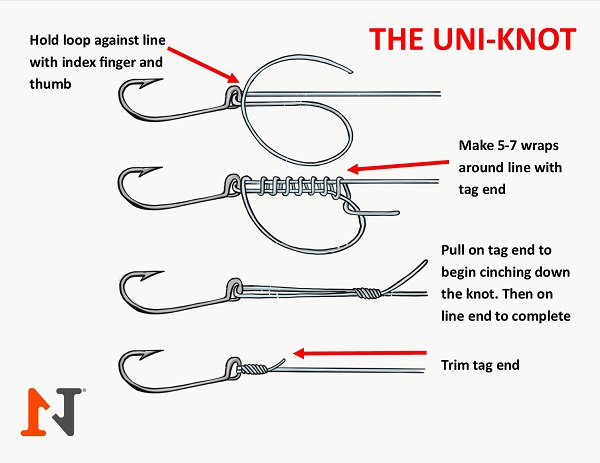
Credit: n1outdoors.com
Tips For Stronger And Reliable Knots
Tying knots with fishing line takes practice and care. Strong knots keep your catch secure. Reliable knots prevent line breaks and lost fish.
Use these tips to make your knots stronger and more dependable. Each step helps your fishing line hold better under tension.
Wet The Line Before Tightening
Always moisten the fishing line before you pull the knot tight. Wetting reduces friction and heat. This stops the line from weakening or breaking.
Avoid Over-tightening
Pull the knot firm but not too hard. Over-tightening can damage the line. It also makes the knot less flexible and easy to slip.
- Tighten the knot until it feels snug.
- Stop if the line starts to stretch or look thin.
- Test the knot by pulling gently several times.
Check Knots Regularly
Check your knots often during fishing. Knots can loosen from use or bumps. Look for any signs of wear or slip.
| What to Check | Why | Action |
| Knot tightness | Loose knots can fail | Retighten or retie |
| Line fraying | Weak spots break easily | Cut damaged section |
| Slip or movement | Knots may slide along line | Use a different knot if needed |
Practice For Consistency
Practice tying your knots often to build skill. Consistent knots hold better and are easier to tie quickly.
Try these tips to improve your knot tying:
- Use the same knot type each time.
- Practice tying with different line thicknesses.
- Check knots under water to see how they hold.
- Practice in different conditions like wind or cold.
Common Knot Mistakes To Avoid
Tying a strong knot with fishing line is important for a successful fishing trip. Many anglers make simple mistakes that weaken their knots.
Knowing these common mistakes helps you tie better knots that hold tight and do not break easily.
Using Incorrect Knot For Line Type
Different fishing lines need different knots. Using the wrong knot can make your line weak or slip.
For example, braided line needs knots that grip well. Monofilament lines work better with knots that tighten evenly.
- Use Palomar knot for braided lines
- Use Improved Clinch knot for monofilament
- Avoid slip knots on slippery lines
Insufficient Wraps Or Turns
Not wrapping the line enough times weakens the knot’s grip. The knot can slip or come undone under pressure.
Count your wraps carefully. More wraps usually mean a stronger knot, especially on thin or slick lines.
- Use 5-7 wraps for monofilament lines
- Use 7-10 wraps for braided lines
- Too few wraps cause slipping
Not Moistening The Line
Tying knots with dry line causes friction and heat. This can weaken or damage the line at the knot.
Always wet the line with water or saliva before tightening the knot. This helps the knot slide smoothly and hold better.
- Wet line before pulling tight
- Prevents line damage from heat
- Ensures knot tightens properly
Ignoring Knot Wear And Tear
Knots can weaken over time due to wear and tear. Old knots might break unexpectedly when under stress.
Check your knots regularly and retie them if you see fraying or damage. Using fresh knots keeps your line strong.
- Inspect knots before every fishing trip
- Retie knots if line looks worn
- Replace old or damaged fishing line
Tools And Accessories For Knot Tying
Tying a strong knot with fishing line needs the right tools. These tools make the process easier and more precise.
Using the best accessories helps create secure knots that hold well during fishing. This guide covers essential tools.
Knot Tying Tools
Knot tying tools help manage the fishing line while making knots. They keep the line steady and prevent slipping.
Many anglers use knot tying tools to hold the line tight. This ensures the knot forms correctly and stays strong.
Line Threaders
Line threaders help pass the fishing line through small eyelets and hooks. They are especially useful with thin lines.
These tools make threading easier and save time. They reduce frustration when the line is hard to see or handle.
- Simple wire loop to guide the line
- Plastic or metal materials
- Helps thread hooks, lures, and flies
Scissors And Clippers
Scissors and clippers cut fishing line cleanly after tying knots. A good cut prevents fraying and weak spots.
Using sharp scissors or clippers makes the knot look neat. It also helps the line fit better on reels and guides.
- Small, sharp scissors for precise cutting
- Line clippers designed for fishing lines
- Portable and easy to carry in tackle boxes
Testing Knot Strength Before Fishing
Tying a strong knot with fishing line is important. A weak knot can break easily and cause loss of fish.
Testing your knot before fishing helps ensure it holds well under pressure. Try these simple checks.
Manual Pull Test
After tying the knot, pull the line hard with your hands. This shows if the knot will hold tight.
Pull until you feel resistance, but do not break the line. If the knot slips, re-tie it.
- Hold the line near the knot with both hands
- Pull slowly and firmly
- Check if knot moves or loosens
- If loose, untie and try again
Water Resistance Check
Fishing lines get wet during use. Wet knots can behave differently than dry ones.
Soak the knot in water before testing it again. This helps you see how it will perform on the water.
- Dip the knot in water for a few seconds
- Pull the wet knot to test its hold
- Look for slipping or weakening
- Repeat soaking and testing if needed
Re-tying When Necessary
If the knot slips or feels weak, it needs to be re-tied. A good knot will not move under tension.
Always check your knots before fishing. Re-tying saves you from losing fish and gear.
- Untie the weak knot carefully
- Use the same knot or try a different one
- Tighten the knot firmly
- Test again before fishing

Credit: www.wikihow.com
Frequently Asked Questions
What Is The Easiest Knot To Tie With Fishing Line?
The improved clinch knot is the easiest and most reliable knot to tie with fishing line. It provides a strong hold and is simple to learn, making it perfect for beginners and experienced anglers alike.
How Do I Prevent Fishing Line From Slipping In Knots?
To prevent slipping, moisten the fishing line before tightening the knot. Pull the knot slowly and evenly to secure it tightly. Using the right knot for your line type also helps maintain a strong hold.
Which Knot Is Best For Braided Fishing Line?
The Palomar knot is the best choice for braided fishing line. It maintains high strength and is easy to tie. This knot resists slipping and works well with slippery, thin braided lines.
Can I Use The Same Knot For All Fishing Lines?
No, different fishing lines need specific knots. Monofilament, fluorocarbon, and braided lines vary in texture and strength. Choose knots that match your line type for optimal performance and knot security.
Conclusion
Learning to tie fishing knots is essential for every angler. With practice, it becomes second nature. Start with simple knots and gradually try more complex ones. This skill ensures your line stays secure. It also increases your chances of a successful catch.
Remember, patience and practice make perfect. Keep your knot-tying skills sharp. Regularly check your knots for strength. This will prevent losing fish or gear. Enjoy your time on the water with confidence. Happy fishing!