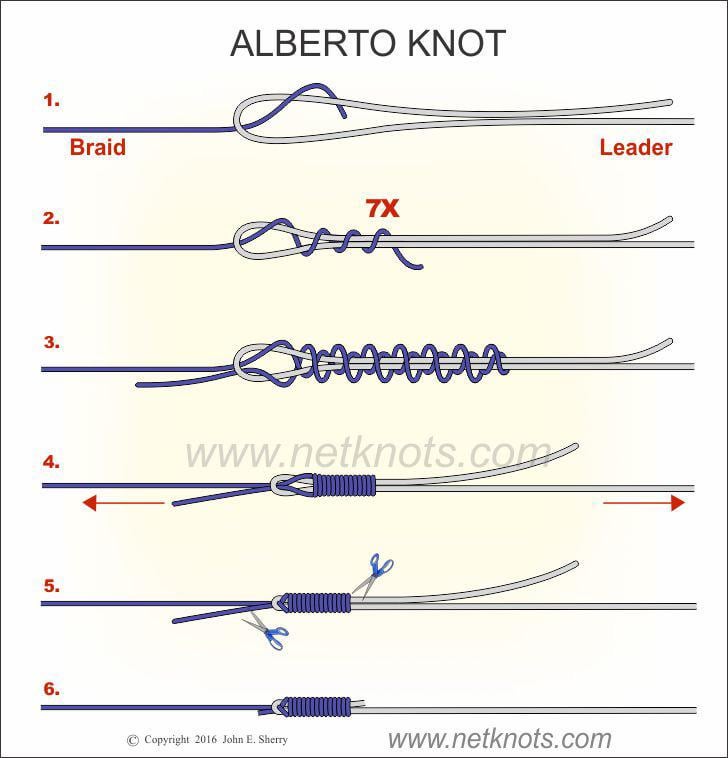
When you’re out fishing, the right knot can make all the difference between a big catch and a lost opportunity. Knowing how to tie a leader on your fishing line is one skill every angler needs.
It keeps your line strong, prevents breaks, and helps you land more fish. If you’ve ever struggled with knots that slip or come undone, this guide is exactly what you need. Keep reading, and you’ll learn simple, step-by-step methods to tie a leader that holds tight every time.
Your fishing game is about to get a serious upgrade.

Credit: www.reddit.com
Choosing The Right Leader
Choosing the correct leader for your fishing line is important. The leader connects your main line to the hook or lure. It protects your line and helps catch fish more efficiently.
Different fishing situations need different leaders. Knowing the right material, length, and strength makes a big difference in your success.
Types Of Leader Materials
Leaders come in several materials. Each has its own strength, stretch, and visibility in water. Choose based on the fish you want and water conditions.
- Monofilament:Clear and stretchy, good for general use.
- Fluorocarbon:Nearly invisible underwater and sinks fast.
- Wire:Very strong, used for sharp-toothed fish.
Selecting Leader Length And Strength
Leader length and strength depend on fishing style and target species. Longer leaders help avoid spooking fish. Strength should match the size of fish you expect.
| Leader Length | Use Case | Strength (Pounds) |
|---|---|---|
| 6 to 12 inches | Clear water, cautious fish | 8 to 15 |
| 12 to 24 inches | General freshwater fishing | 10 to 20 |
| 24 to 36 inches | Saltwater, heavy cover | 20 to 40 |
Preparing The Fishing Line
Preparing your fishing line before tying a leader is important. It helps you avoid problems on the water.
Cleaning and checking your line ensures it is strong and ready for fishing.
Trimming And Cleaning
Remove old knots or damaged parts from your fishing line by trimming. Cleaning the line keeps it free from dirt and salt.
- Use sharp scissors or a line cutter
- Cut off any frayed or weak sections
- Rinse the line with fresh water if it was used in saltwater
- Wipe the line dry with a clean cloth
Checking Line Condition
Inspect your fishing line for damage before tying a leader. Look for small cuts, abrasions, or stiffness.
| Sign of Damage | Effect on Fishing |
|---|---|
| Frayed spots | Line breaks easily |
| Discoloration | Weakened line strength |
| Stiff or brittle sections | Less flexible, may snap |
| Knots or twists | Can cause tangles or breaks |
Popular Knots For Leader Attachment
Attaching a leader to your fishing line is important for strong, reliable fishing. The right knot makes sure your leader stays secure during casting and fighting fish.
Here are some popular knots used by anglers to tie leaders to their main lines. Each knot has its own strengths and works well with different line types.
Improved Clinch Knot
The Improved Clinch Knot is a simple and strong knot. It is good for attaching leaders to monofilament or fluorocarbon lines. Many anglers use it for small to medium fish.
To tie it, pass the line through the leader eye, wrap the tag end around the line five to seven times, then pass the tag end through the loop near the eye. Moisten and tighten the knot.
Albright Knot
The Albright Knot joins two lines of different diameters or materials. It works well for connecting braided lines to monofilament leaders.
- Make a loop in the thicker line.
- Pass the thinner line through the loop and wrap it around both lines.
- Wrap about 10 times, then pass the end back through the loop.
- Wet the knot and pull both ends tight.
Uni Knot
The Uni Knot is versatile and easy to tie. It can attach leaders or join two lines. It works well with most types of fishing lines.
| Step | Action |
| 1 | Pass the tag end through the eye of the leader. |
| 2 | Make a loop by doubling back the tag end. |
| 3 | Wrap the tag end around the doubled line five times. |
| 4 | Pull the tag end to tighten the coils. |
| 5 | Slide the knot to the eye and pull tight. |
Double Uni Knot
The Double Uni Knot is great for tying two lines of similar or different thicknesses. It is strong and reliable for leader attachment.
To tie the Double Uni Knot:
- Overlap the ends of both lines.
- Make a Uni Knot with one tag end around the other line.
- Repeat with the second tag end.
- Pull both standing lines to slide the knots together.
- Trim the tag ends close to the knots.

Credit: www.reddit.com
Step-by-step Knot Tying Guide
Tying a leader to your fishing line is important for a strong connection. Use the right knot to keep your line secure.
This guide shows simple steps for popular knots. Each knot works well for different fishing needs.
Tying The Improved Clinch Knot
The Improved Clinch Knot is easy and strong. It works well for tying the leader to the main line.
- Pass the line through the eye of the hook or swivel.
- Wrap the tag end around the standing line 5 to 7 times.
- Thread the tag end through the small loop near the eye.
- Then pass it through the big loop created.
- Wet the knot and pull the tag end and standing line tight.
- Trim the tag end close to the knot.
Tying The Albright Knot
The Albright Knot joins two lines of different thickness. It is good for attaching a leader to braided line.
- Form a loop with the thicker line.
- Pass the thinner line through the loop from below.
- Wrap the thinner line around both parts of the loop 10 times.
- Pass the thinner line back through the loop the same way it came in.
- Moisten the knot and pull both ends tight.
- Cut the tag ends close to the knot.
Tying The Uni Knot
The Uni Knot is versatile and easy to tie. It works for tying a leader or hook to the line.
- Pass the line through the hook eye and double back alongside the standing line.
- Make a loop by laying the tag end over the doubled line.
- Wrap the tag end around the doubled line and through the loop 5 times.
- Moisten the knot and pull the tag end to tighten the coils.
- Slide the knot down to the eye and pull the standing line tight.
- Trim the tag end close to the knot.
Tying The Double Uni Knot
The Double Uni Knot joins two lines of similar or different sizes. It is strong and reliable.
- Overlap the two line ends.
- Make a loop with the first line over the second line.
- Wrap the tag end around both lines 5 times and pass it through the loop.
- Tighten the first knot by pulling the tag end.
- Repeat the same steps with the second line.
- Pull both standing lines to slide the two knots together.
- Trim the tag ends close to the knots.
Tips For Stronger Knots
Tying a leader on your fishing line needs care to keep the knot strong. A good knot holds tight and does not slip.
Use these tips to make your knots last longer and improve your fishing experience.
Wet The Line Before Tightening
Wet the fishing line with water or saliva before pulling the knot tight. This helps reduce friction and prevents the line from weakening or breaking.
Trim Excess Tag Ends
Cut off the extra tag ends close to the knot. Leaving long tag ends can cause the knot to catch on weeds or gear and come loose.
- Use sharp scissors or clippers
- Leave about 1-2 millimeters of tag end
- Check the knot after trimming to ensure it stays tight
Test Knot Strength
After tying, pull the knot firmly to test if it holds well. A strong knot will not slip or break under pressure.
| Test Method | Purpose |
| Pull Line Hard | Check knot tightness |
| Inspect Knot | Look for damage or slippage |
| Re-tie if Needed | Ensure knot strength |
Common Mistakes To Avoid
Tying a leader on your fishing line needs care. Many anglers make simple errors that weaken their setup.
Knowing what to avoid helps keep your knots strong and your catch secure. Here are common mistakes to watch for.
Overtightening And Line Damage
Pulling the knot too tight can harm the fishing line. This damage makes the line weak and easy to break.
- Do not pull knots with too much force.
- Use steady, even pressure to tighten.
- Check the line for cracks or thin spots after tying.
- Trim excess tag ends carefully to avoid cuts.
Using The Wrong Knot For Line Types
Different fishing lines need different knots. Using the wrong knot can cause slipping or breakage.
| Line Type | Best Knot | Reason |
| Monofilament | Improved Clinch Knot | Good grip and easy to tie |
| Fluorocarbon | Palomar Knot | Strong and maintains line strength |
| Braid | Double Uni Knot | Prevents slipping on slippery braid |
Neglecting Knot Inspection
Not checking your knots after tying is risky. A knot can look fine but still fail under pressure.
- Look for tight coils with no gaps.
- Feel for smooth, even tension along the knot.
- Test by pulling gently before casting.
- Retie knots if you see frays or loose ends.
Maintaining Your Leader And Knots
Keeping your fishing leader and knots in good shape is key for a successful fishing trip. Strong knots and a healthy leader help prevent losing fish and gear.
Regular care makes sure your line stays reliable and safe. Check knots and leaders often to avoid surprises while fishing.
Regular Knot Checks
Knots can loosen or wear out after use. Check them before every fishing session. Look for any signs of slipping or damage.
Tighten knots that feel loose. Replace any knots that show fraying or weakness. This keeps your connection strong and safe.
- Inspect knots for frays and cuts
- Test knot strength by pulling gently
- Retie knots if they feel loose
- Use quality knots like Palomar or Improved Clinch
Replacing Damaged Leaders
Leaders wear out from fish bites, sun, and water. Check your leader often for nicks, cracks, or stiffness. Replace it if damaged.
A fresh leader improves casting and fish hooking. Keep spare leaders ready to swap when needed. This avoids line breaks and lost fish.
- Look for discoloration or stiffness
- Replace leaders with visible cuts or cracks
- Match leader strength to your fishing needs
- Store leaders in a dry, cool place
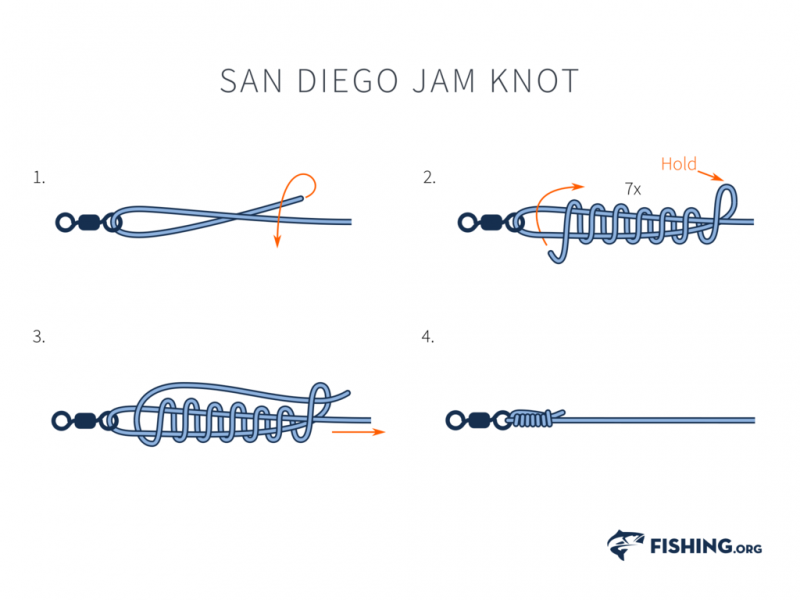
Credit: medium.com
Frequently Asked Questions
How Do You Tie A Leader To A Fishing Line?
To tie a leader to a fishing line, start with a double uni knot. First, overlap both lines. Then, create two loops and wrap each line around the other. Finally, pull tight to secure the connection. This knot ensures a strong and reliable link for fishing.
What Is The Best Knot For Tying Leaders?
The double uni knot is ideal for tying leaders. It’s known for its strength and reliability. This knot works well with different line types and is easy to learn. Anglers prefer it for its ability to maintain line integrity during fishing.
Why Use A Leader On A Fishing Line?
A leader provides abrasion resistance and reduces line visibility. It helps prevent fish from noticing the main line. Leaders also protect against sharp objects underwater. Using a leader enhances your chances of a successful catch by improving presentation and durability.
How Long Should A Fishing Leader Be?
The ideal leader length ranges from 1 to 3 feet. Consider water clarity and target species when deciding. Shorter leaders work in murky waters, while longer ones suit clear conditions. Adjust the length based on your fishing environment for the best results.
Conclusion
Tying a leader on fishing line takes practice but is simple. Use the right knot and keep the line tight. Check your work to avoid slipping or breaking. Strong leaders help catch bigger fish with less trouble. Try different knots to find what works best for you.
With patience, your fishing skills will improve quickly. Keep practicing, and enjoy your time on the water. Fishing becomes more fun when your gear works well. Small steps lead to better catches and more fun days.