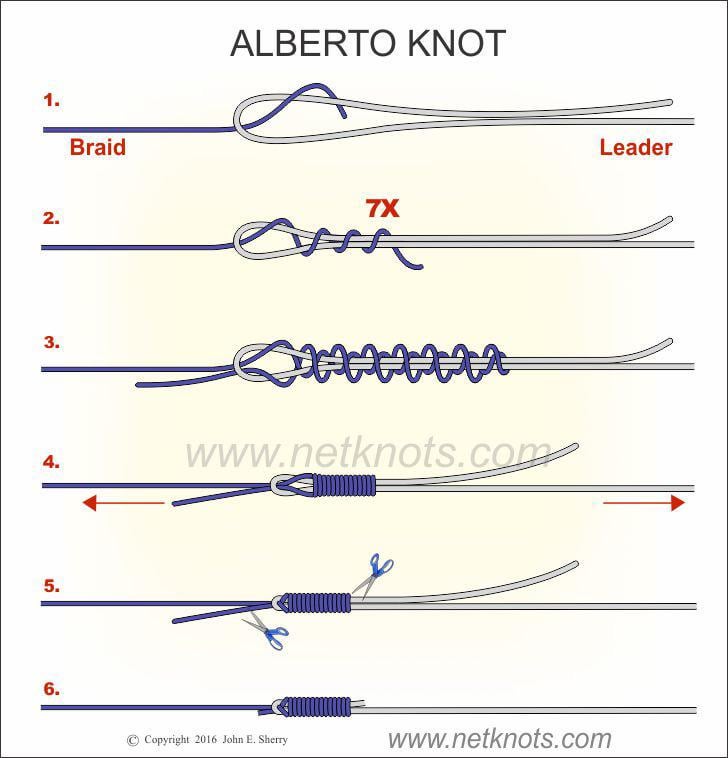
If you’re using braided fishing line, you already know it’s strong and sensitive. But tying a leader to it can be tricky if you don’t know the right method.
Getting this knot wrong might cost you a big catch or even your gear. You’ll learn simple, step-by-step ways to tie a leader that won’t slip or weaken your line. Keep reading, and you’ll soon master a skill that makes your fishing trips more successful and less frustrating.

Credit: www.reddit.com
Choosing The Right Leader And Line
Choosing the right leader and line is important for fishing success. It affects how strong and invisible your setup is in the water.
This guide helps you pick the right braided fishing line and leader for your needs. Learn about types of braided line, leader materials, and matching strengths.
Types Of Braided Fishing Line
Braided lines come in different types based on thickness, strength, and color. Each type works well for certain fishing situations.
- Standard braid: Thin and strong, good for casting long distances.
- Coated braid: Has a smooth coating to reduce friction and wear.
- Colored braid: Available in bright or camo colors for visibility or stealth.
- High-density braid: Extra strong for heavy fish and rough conditions.
Selecting Leader Material
Leaders connect your braided line to the hook or lure. The right material reduces line visibility and resists fish teeth or sharp objects.
| Material | Best Use |
| Fluorocarbon | Clear water, low visibility |
| Monofilament | General use, flexible and stretchable |
| Wire | Tooth-heavy fish like pike or musky |
| Fusion | Strong and abrasion resistant |
Matching Leader Strength To Line
Match the leader strength close to your braided line’s test strength. This balance helps avoid line breaks and keeps your setup strong.
- If your braid is 30 lb test, use a leader around 20 to 30 lb test.
- Use a slightly lighter leader to allow natural bait movement.
- For heavy cover or big fish, match or exceed braid strength.
- Always check knots and connections for security.
Essential Tools And Materials
To tie a leader to braided fishing line, you need the right tools. This makes the process easier and ensures a strong connection.
Gathering the right materials is the first step. Let’s explore the essential tools and accessories you will need.
Scissors And Clippers
Sharp scissors or clippers are vital. They help cut the braided line cleanly without fraying.
- Choose stainless steel scissors to prevent rust.
- Consider using nail clippers as an alternative.
- Ensure they are sharp for smooth cuts.
Fishing Knot Tying Tools
Knot tying tools simplify the process. They hold the line securely while you tie knots.
Additional Accessories
Additional accessories can enhance your fishing experience. They help in organizing and managing your fishing line.
| Accessory | Purpose |
| Line spooler | Organizes line neatly |
| Hook holder | Keeps hooks accessible |
| Line conditioner | Reduces tangles |
Preparing The Braided Line And Leader
Attaching a leader to braided fishing line requires careful preparation. Proper preparation helps create a strong and reliable knot.
This guide covers how to cut, moisten, and remove memory from your lines before tying.
Cutting Clean Ends
Always cut the braided line and leader ends cleanly. Use sharp scissors or a line cutter. Avoid frayed or uneven ends to prevent knot failure.
- Use sharp scissors or line cutters
- Cut straight across the line
- Trim any frayed fibers gently
- Check the cut ends before tying
Moistening Lines For Knotting
Moisten the lines before tightening the knot. Water or saliva works well. This reduces friction and helps the knot tighten smoothly.
| Moistening Method | Benefits |
|---|---|
| Water | Easy to apply, reduces friction |
| Saliva | Natural lubricant, readily available |
| Commercial knot lubricant | Specially designed for fishing lines |
Removing Line Memory
Braided line often has memory, causing it to hold coils. Removing this memory makes knotting easier and stronger.
- Pull a long length of line tight
- Run the line through your fingers several times
- Let the line rest straight before tying
- Avoid sharp bends or twists
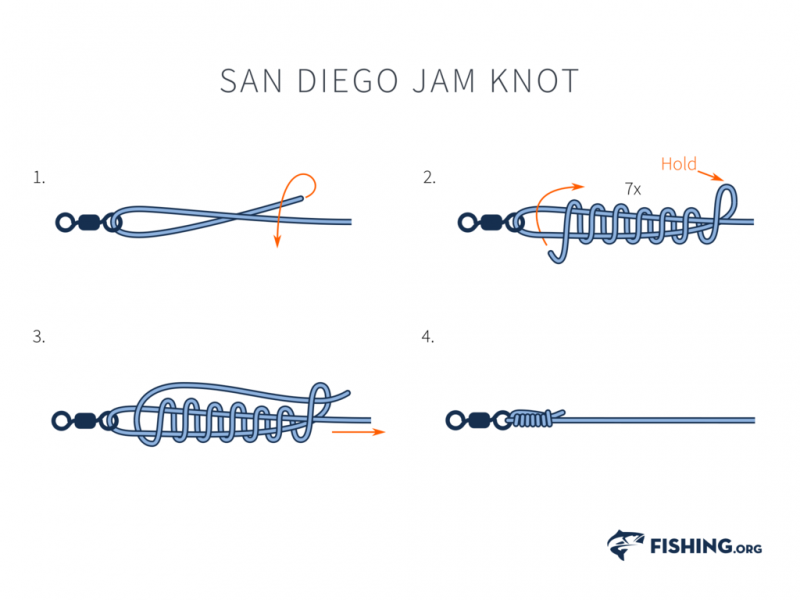
Credit: medium.com
Best Knots For Braided Line To Leader
Tying a leader to braided fishing line requires strong and reliable knots. Braided lines are thin and slippery. This makes some knots harder to tie and hold.
Choosing the right knot keeps your line strong and prevents breakage. Here are three best knots to connect braided line to a leader.
Double Uni Knot
The Double Uni Knot is easy to tie and works well with braided lines. It creates a strong connection without slipping.
- Overlap the ends of the braided line and leader by 6 inches.
- Make a loop with the braided line and wrap the tag end around both lines 5 times.
- Pull the tag end through the loop and tighten.
- Repeat the same steps with the leader line.
- Pull both standing lines to slide the knots together.
Albright Knot
The Albright Knot is popular for joining lines of different types or diameters. It is strong and compact, ideal for braided to monofilament leaders.
This knot can be tricky to tie at first but holds well when done correctly.
| Step | Description |
|---|---|
| 1 | Make a loop in the leader line. |
| 2 | Pass the braided line through the loop. |
| 3 | Wrap the braided line around both strands of the leader 10 times. |
| 4 | Pass the braided line back through the loop in the opposite direction. |
| 5 | Moisten and pull both lines to tighten the knot. |
Fg Knot
The FG Knot is very strong and slim. It is perfect for braided line to fluorocarbon leader. This knot slips less and fits through guides easily.
Tying the FG Knot requires practice and patience. It uses wraps instead of loops.
- Pinch the leader line and wrap the braided line tightly around it.
- Make about 20 wraps for a secure hold.
- Use wax or saliva to reduce friction while wrapping.
- Pull the braided line firmly to tighten the wraps.
- Finish with half hitches to secure the tag ends.
Step-by-step Knot Tying Guide
Tying a leader to braided fishing line needs strong and reliable knots. Use the right knot to keep your line secure. Here is a simple guide for three popular knots.
Follow these steps to tie knots that hold well and help you catch more fish. Each knot works best in different situations.
Tying The Double Uni Knot
The Double Uni Knot joins two lines of different thicknesses. It works well for braided line to leader connections.
Here is how to tie the Double Uni Knot:
- Overlap the ends of braided line and leader by 6 inches.
- Make a loop with the braided line around the leader.
- Wrap the braided line around both lines 5 times.
- Pass the braided line end through the loop and pull tight.
- Repeat the same steps with the leader end.
- Pull both standing lines to slide the knots together.
- Trim the tag ends close to the knots.
Tying The Albright Knot
The Albright Knot is strong and slim. It is good for joining braided line to a monofilament or fluorocarbon leader.
Follow these steps to tie the Albright Knot:
- Form a loop at the leader end.
- Pass the braided line through the loop from the bottom.
- Wrap the braided line tightly around both strands of the loop 10 times.
- Pass the braided line back through the loop in the opposite direction.
- Moisten the knot and pull both ends slowly to tighten.
- Trim the tag ends neatly.
Tying The Fg Knot
The FG Knot is very strong and slim. It is ideal for braided line to fluorocarbon leader connections.
This knot requires some practice but works great for serious fishing.
- Hold the leader and wrap it tightly around the braided line 12 to 15 times.
- Pull the leader tight to make the wraps grip the braid firmly.
- Make a half hitch knot with the tag end of the leader around the braided line.
- Tighten the half hitch knot firmly.
- Finish by tying a few overhand knots with the tag end.
- Trim the tag ends very close to the knot.

Credit: www.reddit.com
Tips For Strong And Reliable Knots
Tying a leader to braided fishing line requires care. Strong knots keep your gear safe and help catch fish.
Use the right techniques to make knots that hold well under tension and do not slip.
Proper Tension Techniques
Keep steady tension while tying your knot. Pull tight but avoid damaging the line.
Slow and even tension helps the knot tighten correctly. This makes the knot strong and less likely to fail.
Avoiding Slippage
Braided line can slip if knots are not tied right. Use extra wraps to prevent slippage.
- Make several tight turns when wrapping the line
- Use knots known for gripping braided lines, such as the FG knot or Double Uni
- Check knot tightness before fishing
- Wet the line before pulling the knot tight to reduce friction damage
Trimming And Securing Ends
Trim tag ends close to the knot to avoid snagging. Leave a small tail for security.
| Trimming Tips | Reason |
|---|---|
| Cut ends 1-2 mm from knot | Prevents loose ends from catching on weeds |
| Use sharp scissors or nail clippers | Clean cuts avoid fraying |
| Apply a drop of clear nail polish or glue | Secures knot and tag ends |
Testing Knot Strength
Testing the strength of your knot is key to safe fishing. A strong knot holds your leader and line tightly.
Here are simple ways to check if your knot will hold up under pressure.
Manual Pull Test
After tying the knot, pull on the leader and braided line by hand. Pull steadily and feel for any slipping or loosening.
If the knot slips or feels weak, retie it. A good knot should hold firm and not slide.
Water Resistance Check
Water can affect knot strength by making the line slick. Test your knot by soaking it in water for several minutes.
- Tie the knot securely.
- Place it in a bowl of water for 5 minutes.
- Remove and pull to test tension.
- Check if the knot slips or loosens.
- Retie if the knot weakens after wetting.
Field Testing Tips
| Test Method | What to Look For | Action if Failed |
|---|---|---|
| Manual Pull | No slipping or loosening | Retie knot tightly |
| Water Resistance | Knot holds after soaking | Use water-resistant knot or re-tie |
| Real Fish Pull | No breakage under strain | Practice knot or try a different style |
Common Mistakes To Avoid
Tying a leader to braided fishing line can be tricky. Many anglers make simple mistakes that weaken the connection.
These errors can cause lost fish or broken lines. Avoid these common problems to keep your setup strong.
Incorrect Knot Selection
Using the wrong knot can make your line slip or break easily. Not all knots work well with braided line.
Knots like the Palomar or Double Uni are better choices. Avoid simple knots like the clinch knot for braided leaders.
- Choose knots designed for braided lines
- Test knots before fishing
- Replace knots if they show wear
Improper Line Preparation
Failing to prepare the line can cause knots to slip or catch dirt. Always clean and trim the line ends before tying.
Make sure the braided line is smooth and free of frays. Wet the line before tightening knots to avoid damage.
- Trim frayed ends cleanly
- Wet the line before tightening knots
- Keep the line clean and dry before tying
Ignoring Knot Maintenance
Knots weaken over time, especially after heavy use. Ignoring knot checks can lead to unexpected breaks.
Regularly inspect your knots for damage or slippage. Retie knots if you notice any weakness or wear.
- Check knots before each fishing trip
- Retie knots after catching large fish
- Replace knots showing wear or damage
Maintaining Your Leader And Line
Keeping your leader and braided fishing line in good shape helps you fish better. It stops breaks and keeps your knots strong.
Regular care of your fishing gear saves money and frustration on the water.
Regular Inspection
Check your leader and braided line before and after each trip. Look for worn spots, frays, or damage. Even small cuts can cause line failure.
- Run your fingers along the line to feel for rough areas.
- Inspect knots to make sure they are tight and intact.
- Look for discoloration or stiffness, signs of wear or sun damage.
Cleaning Techniques
Keep your leader and braided line clean to extend their life. Dirt and salt can weaken the line over time.
- Rinse your line with fresh water after every use.
- Use a mild soap solution if the line is very dirty.
- Dry the line completely before storing it to prevent mold and mildew.
Replacing Worn Sections
Replace any part of the leader or braided line that shows damage. Using damaged line can lead to lost fish and gear.
| Damage Type | Action |
| Frayed or cut line | Cut out and replace that section |
| Stiff or discolored line | Replace entire leader or line segment |
| Loose knots | Retie knots or replace leader |
Frequently Asked Questions
What Is The Best Knot To Tie A Leader To Braided Line?
The FG knot is the best for tying a leader to braided line. It offers high strength and low slippage, making it reliable for fishing.
How Do I Prevent Braided Line From Slipping?
Use knots like the FG or Double Uni knot. These knots grip well and reduce slippage on slippery braided lines.
Can I Use Monofilament Leader With Braided Line?
Yes, monofilament leaders work well with braided lines. They add abrasion resistance and improve invisibility in water.
How Long Should A Leader Be For Braided Line?
A leader length of 2 to 4 feet is ideal. It provides good shock absorption and better bait presentation.
Conclusion
Tying a leader to braided fishing line is simple with the right steps. Use strong knots like the FG or Albright knot for best results. Practice tying these knots a few times before fishing. A secure connection helps prevent losing fish.
Take your time and check the knot’s tightness. This skill improves your fishing experience and confidence on the water. Keep your gear ready and enjoy every fishing trip.