Are you tired of your fishing line slipping or breaking when you need it most? Knowing how to tie a strong, reliable loop on your fishing line can change the way you fish.
It’s a simple skill that can make your tackle more effective and your catch more successful. In this guide, you’ll learn easy step-by-step methods to create loops that hold tight and give your bait the right movement. Keep reading, and you’ll master a technique that every angler wishes they knew sooner.
Credit: n1outdoors.com
Choosing The Right Loop Knot
Tying a loop knot on your fishing line helps keep your bait or lure free to move. It improves the natural action of the bait. Different loop knots work better for different types of fishing.
Choosing the right loop knot depends on your fishing needs and the type of line you use. Knowing popular loop knots and when to use them can make your fishing more effective.
Popular Loop Knots For Fishing
There are several loop knots anglers often use. Each knot offers a secure loop but differs in strength and ease of tying. Here are some common loop knots:
- Perfection Loop:Easy to tie and strong. Good for light to medium lines.
- Non-Slip Loop:Holds well under pressure. Great for heavy lines and large lures.
- Knotless Knot:Ideal for tying leaders. It creates a smooth loop without knots.
- Bimini Twist:Creates a strong double line loop. Used in big game fishing.
Selecting Knot Based On Fishing Style
Your fishing style affects which loop knot to choose. Different methods need different knot features like strength, loop size, and ease of tying.
| Fishing Style | Best Loop Knot | Reason |
| Freshwater Casting | Perfection Loop | Simple and strong for light tackle |
| Saltwater Trolling | Non-Slip Loop | Holds large lures under heavy strain |
| Fly Fishing | Knotless Knot | Creates smooth loops for leader attachment |
| Big Game Fishing | Bimini Twist | Provides extra strength for heavy fish |
Credit: www.beadinggem.com
Preparing Your Fishing Line
Preparing your fishing line is important for tying a strong loop. It helps ensure your knot holds well and lasts longer.
Before tying, focus on choosing the right length and checking the line’s condition. These steps improve your fishing experience.
Selecting The Proper Line Length
Use the right length of fishing line to make the loop easy to tie and strong. Too short or too long line can cause problems.
- Measure about 12 to 18 inches of line for the loop.
- Allow extra length if you plan to add more knots.
- Cut the line cleanly with sharp scissors to avoid frays.
- Keep the line manageable to prevent tangling.
Ensuring Line Cleanliness And Strength
A clean and strong line is less likely to break or slip when you tie the loop. Check your line carefully before starting.
| Check | Action | Reason |
| Dirt or Debris | Wipe line with a clean cloth | Prevents weak spots |
| Frays or Nicks | Cut off damaged section | Maintains line strength |
| Wet or Slippery Line | Dry line fully | Improves knot security |
| Old or Brittle Line | Replace with new line | Avoids breakage |
Step-by-step Loop Knot Techniques
Loop knots are essential for fishing. They help secure hooks and lures. Learning to tie them is easy and useful.
This guide will cover three common loop knots. You will learn how to create the Overhand Loop, the Perfection Loop, and the Dropper Loop.
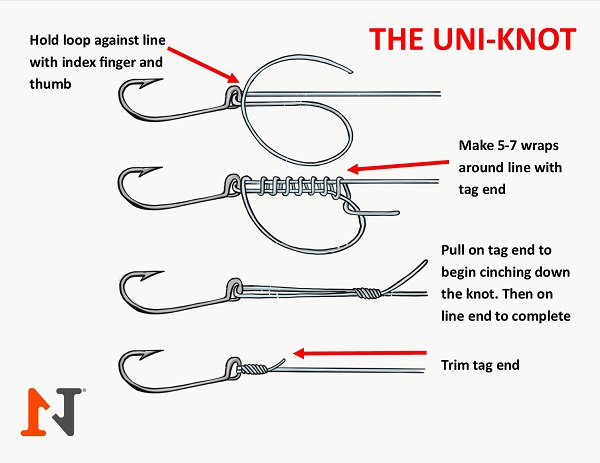
Creating The Overhand Loop
The Overhand Loop is simple and quick. It is great for beginners. This knot is useful for creating a fixed loop at the end of a line.
- Double the line to form a loop.
- Pass the end of the loop through the main loop.
- Pull tight to secure the knot.
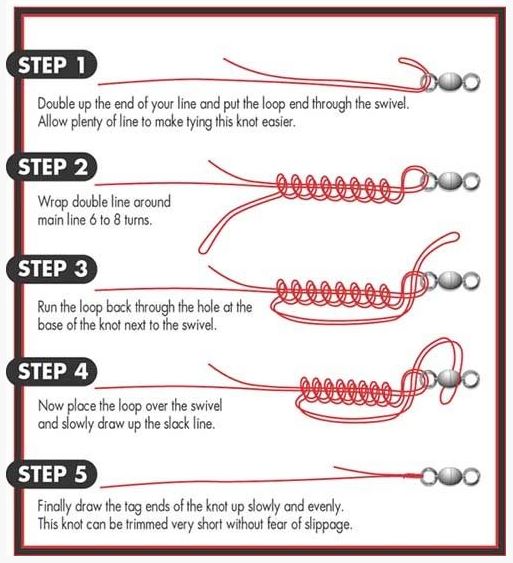
Tying The Perfection Loop
The Perfection Loop is strong and neat. It is ideal for connecting leaders to the main line. This knot is popular among experienced anglers.
- Create a small loop at the end of the line.
- Make a second loop in front of the first.
- Pass the end through the second loop.
- Hold the line and pull the second loop through the first.
- Tighten the knot by pulling both ends.
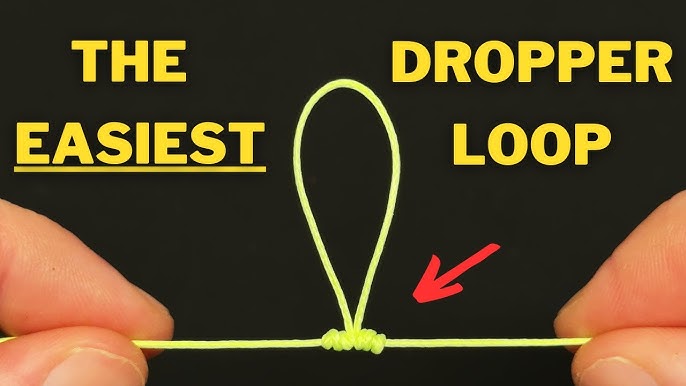
Forming The Dropper Loop
The Dropper Loop is useful for making multiple hooks on a line. It helps when fishing for different species at various depths.
- Form a loop in the line where you want the dropper.
- Twist the loop several times.
- Pass the loop through the middle of the twists.
- Pull both ends to tighten the knot.
Tips For Tightening And Securing Knots
Tying a strong loop knot is important for fishing success. Tightening and securing the knot well helps prevent it from slipping or breaking.
Use simple techniques to keep the knot tight and test its strength before casting your line.
Maintaining Tension While Tightening
Keep steady tension on the line when tightening the knot. This prevents the loops from loosening or overlapping incorrectly.
- Hold the tag end and main line firmly but gently.
- Pull both ends slowly to avoid sudden slips.
- Moisten the knot with water or saliva to reduce friction.
- Tighten the knot against a hard surface if possible.
- Check that the knot tightens evenly without bunching.
Testing Knot Strength Before Casting
Test your knot to make sure it holds strong. This step helps avoid losing fish or gear during casting.
| Test Method | How to Perform | What to Look For |
| Pull Test | Pull the line hard in opposite directions. | Knot should not slip or loosen. |
| Visual Check | Look for gaps or twisted loops in the knot. | No gaps or overlapping loops. |
| Water Test | Wet the knot and retighten. | Knot tightens smoothly without slipping. |
Common Mistakes To Avoid
Tying a loop on a fishing line seems easy but can cause problems if done wrong. Small errors can weaken the line or cause it to slip.
Knowing what to avoid helps keep your loop strong and reliable. This guide covers common mistakes to watch out for.
Incorrect Loop Size
Making the loop too big or too small can cause problems. A loop that is too large may catch on weeds or rocks.
A loop that is too small may not allow enough movement for the bait or lure. Both cases reduce your fishing success.
- Large loops increase snag risk
- Small loops restrict bait action
- Proper loop size improves hook movement
Poor Line Handling
Handling the line roughly can weaken it. Twisting or pulling too hard can cause damage or knots to slip.
Keeping the line straight and gentle while tying helps keep its strength. Wetting the line can also reduce friction.
- Avoid twisting the line during tying
- Pull the knot slowly to tighten
- Wet the line before tightening the knot

Credit: www.wikihow.com
Enhancing Knot Durability
Tying a loop on a fishing line is important for strong connections. A durable knot keeps the loop from slipping or breaking.
Using the right techniques can make your knot last longer. Small tips help the knot hold well under pressure.
Using Lubricants For Smooth Tightening
Adding a lubricant helps the knot tighten smoothly. This reduces friction and prevents the line from weakening.
Common lubricants include water, saliva, or fishing grease. Apply a small amount before pulling the knot tight.
- Lubricants stop heat from friction
- They protect the fishing line fibers
- Lubricated knots tighten more evenly
Regular Knot Inspection And Maintenance
Check your knots often to keep them strong. Look for signs of wear, like fraying or slipping.
Replace or retie knots if they look weak. Regular care helps avoid losing fish or gear.
- Inspect knots before every fishing trip
- Retie knots after heavy use or strain
- Keep your line clean and dry when storing
Frequently Asked Questions
How Do I Tie A Loop On Fishing Line?
To tie a loop, form a small overhand knot first. Pass the tag end through the eye or lure. Tighten the knot firmly to create a secure loop for better lure movement.
What Is The Best Loop Knot For Fishing?
The perfection loop knot is best for creating strong, reliable loops. It maintains line strength and allows natural lure action in water. This knot is easy to tie and works well with all line types.
Can I Tie A Loop On Braided Fishing Line?
Yes, braided line works well with loop knots. Use a double or perfection loop knot for best results. These knots hold securely without slipping on slick braided lines.
Why Use A Loop Knot Instead Of A Regular Knot?
Loop knots provide more lure or bait movement in water. They reduce line twist and improve action. This results in more natural presentation and increased chances of catching fish.
Conclusion
Tying a loop on your fishing line makes a big difference. It helps your bait move more naturally in the water. Practice a few times to get it right. Keep your knots tight and neat for best results. This simple skill can improve your fishing success.
Try it on your next trip and see how it works. Small steps like this build good fishing habits. Enjoy your time by the water and catch more fish!