Are you ready to catch more fish on your next trip? Knowing how to tie a lure on a fishing line the right way can make all the difference between a successful day on the water and coming home empty-handed.
If your knot slips or your lure doesn’t sit right, you might miss that perfect bite. But don’t worry—this simple skill is easier to master than you think. Keep reading, and you’ll learn step-by-step how to secure your lure so it stays strong and looks natural in the water.
Get ready to boost your fishing game with a knot that works every time!
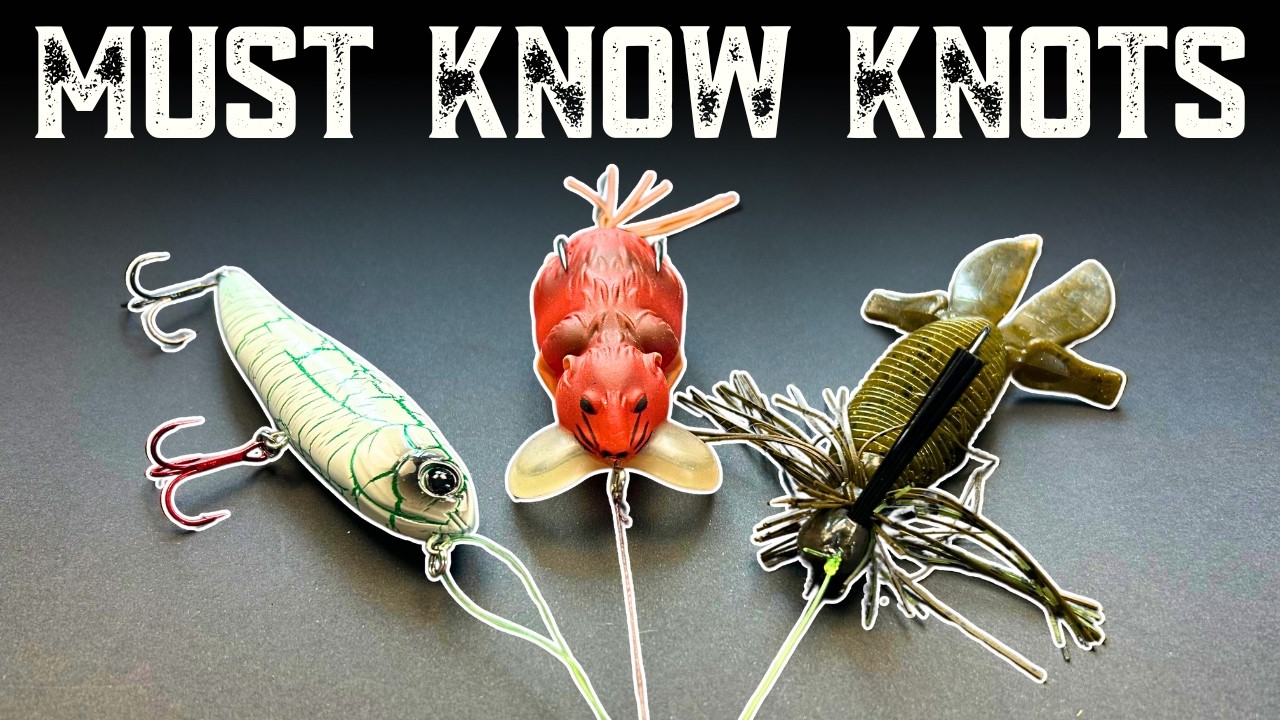
Credit: www.youtube.com
Choosing The Right Knot
Tying a lure on a fishing line needs a strong knot. The right knot keeps the lure secure and helps catch fish.
Different knots work best with different lines and lures. Choose a knot that is easy to tie and holds well.
Popular Knot Types
Some knots are popular because they are easy and reliable. The improved clinch knot is common for many anglers.
The Palomar knot is strong and simple. It works well with braided lines and is quick to tie.
- Improved Clinch Knot: great for monofilament lines
- Palomar Knot: strong with braided lines
- Loop Knot: allows lure to move freely
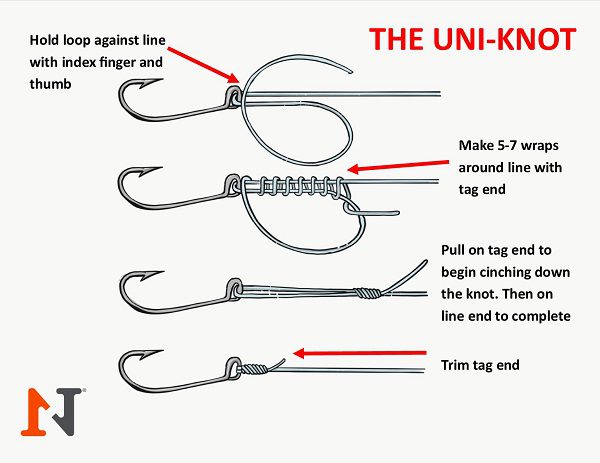
- Uni Knot: versatile and easy to tie
Knot Strength And Reliability
A good knot must hold tight under pressure. It should not slip or break easily during fishing.
Test your knot before casting. Wet the knot to reduce friction and tighten it firmly for best results.
| Knot Type | Strength (%) | Best Use |
|---|---|---|
| Improved Clinch Knot | 85-90% | General fishing with monofilament |
| Palomar Knot | 95% | Strong hold on braided lines |
| Loop Knot | 80-85% | Lures needing free movement |
| Uni Knot | 90% | Versatile for many lines |
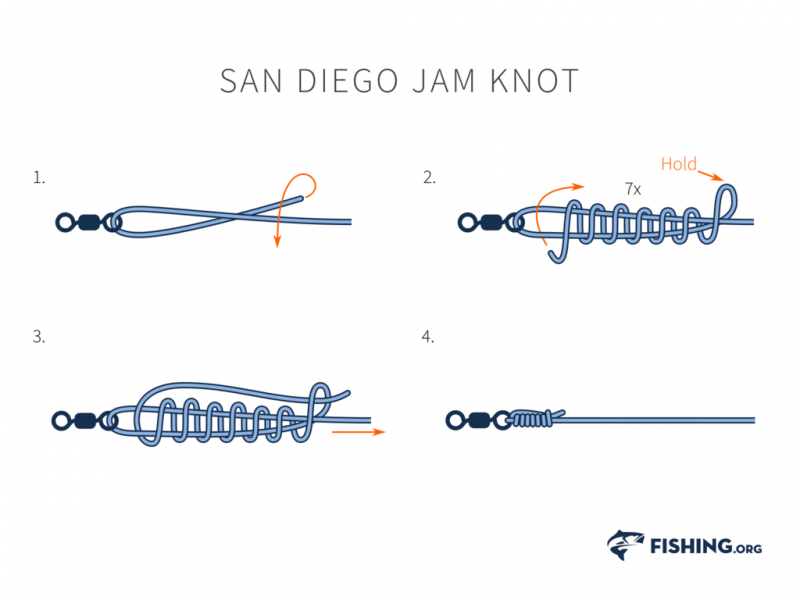
Credit: medium.com
Preparing The Fishing Line
Getting your fishing line ready is important before tying a lure. It helps the lure stay secure and work well.
Proper preparation avoids problems like knots slipping or line breaking. Two key steps are trimming and cleaning, and moistening the line.
Trimming And Cleaning
Cut off any old or damaged parts of the fishing line. This makes sure the line is strong and smooth.
Remove dirt, dust, or salt from the line by wiping it gently. Clean line holds knots better and lasts longer.
- Use scissors or a line cutter for trimming
- Check for frays or weak spots
- Wipe line with a clean cloth or paper towel
- Remove any debris or salt buildup
Moistening The Line
Wet the fishing line slightly before tying the knot. This reduces friction and helps the knot tighten smoothly.
Use water or saliva to moisten the line. Avoid using too much liquid to keep the knot secure.
- Dip the line tip in water or lick it gently
- Keep the line damp, not soaking wet
- Make knots slowly to allow proper tightening
Step-by-step Knot Tying
Tying a lure on a fishing line is essential for fishing. A strong knot ensures your lure stays attached securely.
This guide will walk you through the simple steps to tie a reliable knot for your fishing adventures.
Threading The Line Through The Lure
Begin by threading the line through the eye of the lure. Make sure the line is straight and free of tangles.
Forming The Knot Loop
Form a loop with the line, creating a circle. Hold the loop with your thumb and forefinger.
Securing The Knot
Pass the end of the line through the loop you just made. Pull it through until the knot begins to form.
- Wrap the end around the main line twice.
- Pass the end back through the loop again.
- Hold the knot in place with one hand.
Tightening And Trimming
Pull both ends of the line to tighten the knot. Ensure it is secure and does not slip.
Trim the excess line close to the knot, leaving a small tail.
| Action | Result |
| Tighten knot | Secure connection |
| Trim excess | Neat finish |
Tips For Stronger Knots
Tying a lure on a fishing line needs strong knots. Strong knots keep your lure secure while fishing.
Use simple techniques to avoid problems like line twist and weak knots. These tips help you catch more fish.
Avoiding Line Twist
Line twist can weaken your knot and cause tangles. Prevent it by following these steps before tying your lure.
- Use a swivel to reduce line twist
- Let the lure sink straight down, not sideways
- Keep the line tight while tying the knot
- Test the lure by spinning it in water before casting
- Replace old or damaged line regularly
Checking Knot Integrity
Check your knot after tying to make sure it holds well. A weak knot can break and lose your lure.
| Check Point | What to Do |
| Line Tightness | Pull the knot firmly and see if it slips |
| Knot Appearance | Look for neat wraps and no loose ends |
| Line Condition | Inspect for frays or damage near the knot |
| Water Test | Wet the knot before tightening to avoid friction burns |
| Final Pull | Give one last strong pull before casting |
Common Mistakes To Avoid
Tying a lure on a fishing line seems easy, but mistakes can ruin your catch. Avoid errors to keep your lure secure and improve fishing success.
Two common mistakes are loose knots and picking the wrong knot type. Both can cause your lure to fall off or not work properly.
Loose Knots
Loose knots do not hold the lure tightly. This can cause the lure to slip or fall off while fishing.
Always pull the knot tight and wet the line before tightening. This helps the knot slide into place smoothly and hold better.
- Do not leave slack in the knot
- Make sure the knot is snug against the lure eye
- Wet the line to reduce friction when tightening
Incorrect Knot Choice
Using the wrong knot for your fishing line or lure can weaken the connection. Some knots work better with certain lines and lures.
Choose a knot that fits your line type and lure size. For example, use a Palomar knot for braided lines and a Clinch knot for monofilament lines.
- Match the knot to the fishing line material
- Consider the lure size and weight
- Test your knot strength before fishing

Credit: www.youtube.com
Maintaining Your Fishing Line
Keeping your fishing line in good shape helps you catch fish better. Regular care stops breaks and knots that can ruin your fishing.
Simple checks and quick fixes can make your line last longer and work well every time you fish.
Regular Inspection
Look over your fishing line before and after each trip. Check for any signs of damage or wear. Small problems can get worse if you ignore them.
- Look for frays or cuts along the line.
- Feel for weak spots by gently running your fingers along the line.
- Check if the line feels rough or has any discoloration.
- Make sure knots are tight and not slipping.
- Inspect the area near the lure and hooks for extra stress.
Replacing Worn Sections
Cut out any damaged parts of your fishing line. Replace them with new sections to keep the line strong and reliable.
| Signs of Worn Line | Action to Take |
|---|---|
| Frayed or broken strands | Cut out and tie a new section using a strong knot |
| Line feels rough or stiff | Replace the worn part to avoid breaks |
| Discoloration or fading | Change the section to maintain line strength |
| Knots slipping or loosening | Retie knots or replace the section if needed |
Frequently Asked Questions
How Do I Tie A Lure To A Fishing Line?
To tie a lure, use a strong knot like the improved clinch knot. Thread the line through the lure eye, wrap it around 5-7 times, then pass the tag end through the loop and tighten. This ensures a secure, reliable connection.
What Is The Best Knot For Fishing Lures?
The improved clinch knot is widely recommended for fishing lures. It is strong, simple to tie, and holds well under tension. This knot prevents slippage and keeps the lure firmly attached, improving your chances of landing a catch.
Can I Use Any Fishing Line To Tie A Lure?
You can tie lures with different fishing lines like monofilament, fluorocarbon, or braided line. Choose a line based on your fishing environment and target species. Each line type requires slight knot-tying adjustments for optimal strength and lure presentation.
How Tight Should I Tie A Fishing Lure Knot?
Tie your fishing lure knot firmly but not overly tight to avoid line damage. Pull the knot snug to remove slack, ensuring it’s secure. A properly tightened knot prevents slipping and enhances lure action in the water.
Conclusion
Tying a lure on a fishing line is easy with practice. Use the right knot for a strong hold. Make sure the knot is tight and neat. Check your work before casting your line. This simple skill improves your fishing success.
Keep practicing to gain confidence and speed. Enjoy your time fishing with better results. Small steps lead to big catches. Try different knots to see what works best. Fishing becomes more fun when you know your gear.