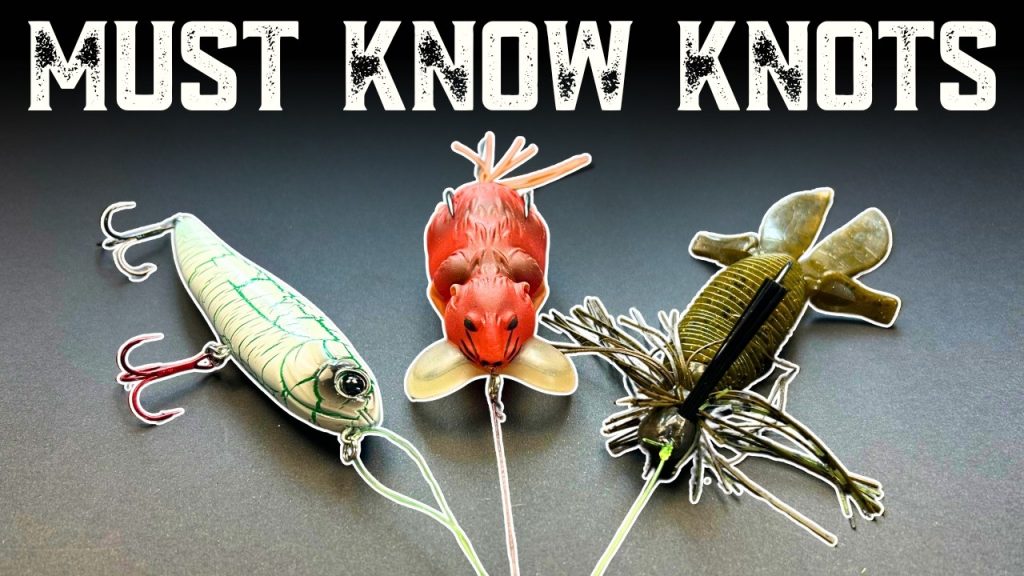
Are you tired of losing fish because your lure isn’t tied right? Knowing how to tie a lure on your fishing pole can make all the difference between a great catch and an empty hook.
It’s a simple skill that boosts your confidence and improves your success on the water. In this guide, you’ll discover easy steps to tie your lure quickly and securely. Keep reading, and you’ll be ready to fish like a pro in no time.
Choosing The Right Knot
Tying a lure properly is key for fishing success. The right knot holds the lure firmly on the line.
Choosing the best knot depends on the type of lure and fishing line you use. A good knot keeps your gear safe.
Popular Knot Types
Some knots are used more often because they work well with many lures and lines. Learning these knots helps you fish better.
- Improved Clinch Knot: Easy to tie and strong for small lures.
- Palomar Knot: Very strong and simple for braided lines.
- Loop Knot: Gives the lure free movement in water.
- Uni Knot: Versatile and works with many types of lines.
Knot Strength And Reliability
Strong knots keep the lure on the line when a fish bites. Weak knots can break and lose the fish.
Test knots before fishing to make sure they hold well. Wet the knot before tightening to avoid damage.
- Strong knots resist slipping under tension.
- Reliable knots hold tight even after repeated casting.
- Knots should keep line strength above 90% of original.
Matching Knot To Lure And Line
Different lures and lines need different knots. Match the knot to the lure’s size and the line type.
Use loop knots for lures that need to move freely. Use strong knots for heavy lures and thick lines.
| Lure Type | Line Type | Best Knot |
|---|---|---|
| Small spinner | Monofilament | Improved Clinch Knot |
| Jig or soft plastic | Fluorocarbon | Palomar Knot |
| Topwater | Braided line | Loop Knot |
| Crankbait | Monofilament or Fluorocarbon | Uni Knot |
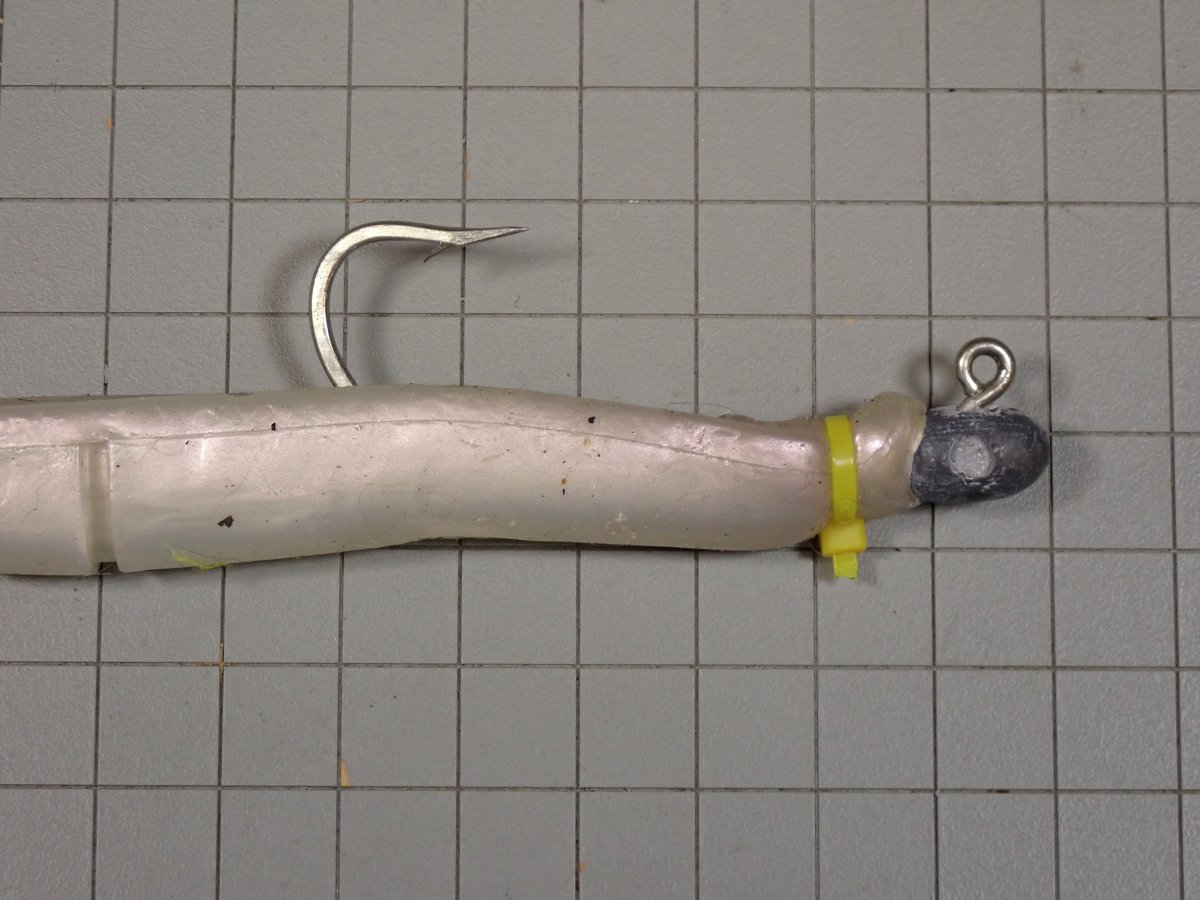
Credit: www.thefisherman.com
Preparing Your Line
Preparing your fishing line is important before tying a lure. It helps ensure a strong and secure knot. This process makes fishing easier and more effective.
Follow these simple steps to get your line ready. They will help prevent problems like tangles or weak knots.
Trimming The Line
Start by trimming the end of your fishing line. A clean cut removes any frayed or damaged fibers. Use sharp scissors or a line clipper for a neat edge.
Moistening The Line
Moistening the line before tying helps reduce friction. This prevents the line from weakening or breaking. Use water or saliva to wet the line gently.
Avoiding Twists And Tangles
- Keep the line straight and tight.
- Avoid spinning the lure during tying.
- Check the line for twists before starting.
- Use your fingers to guide the line smoothly.
- Secure the lure carefully to prevent loops.
Step-by-step Knot Tying
Tying a lure on a fishing pole is an important skill for every angler. A strong knot keeps your lure secure and helps catch more fish.
This guide shows simple steps to tie a reliable knot. Follow each part carefully for the best results.
Attaching The Lure
Start by holding the lure and the fishing line close together. Make sure the line is free of twists and tangles before you begin.
Place the end of the line through the lure’s eye, which is the small hole at the top of the lure.
Forming The Loop
Create a small loop by bending the line back toward itself. This loop will be the base for your knot.
Make sure the loop is not too large, about 4 to 6 inches works well for tying.
Wrapping The Line
Wrap the loose end of the line around the main line and through the loop. Do this five to seven times for a strong hold.
- Keep the wraps tight and neat
- Use your fingers to hold the wraps in place
- Check that the wraps do not overlap
Securing The Knot
Pull the loose end gently to slide the wraps down to the lure’s eye. This tightens the knot and secures it in place.
Hold the main line and the loose end firmly to keep the knot from loosening.
Final Tightening
Wet the knot with water or saliva to reduce friction. Pull both the main line and the loose end hard to tighten the knot fully.
Trim any extra line close to the knot to prevent it from catching on weeds or debris.
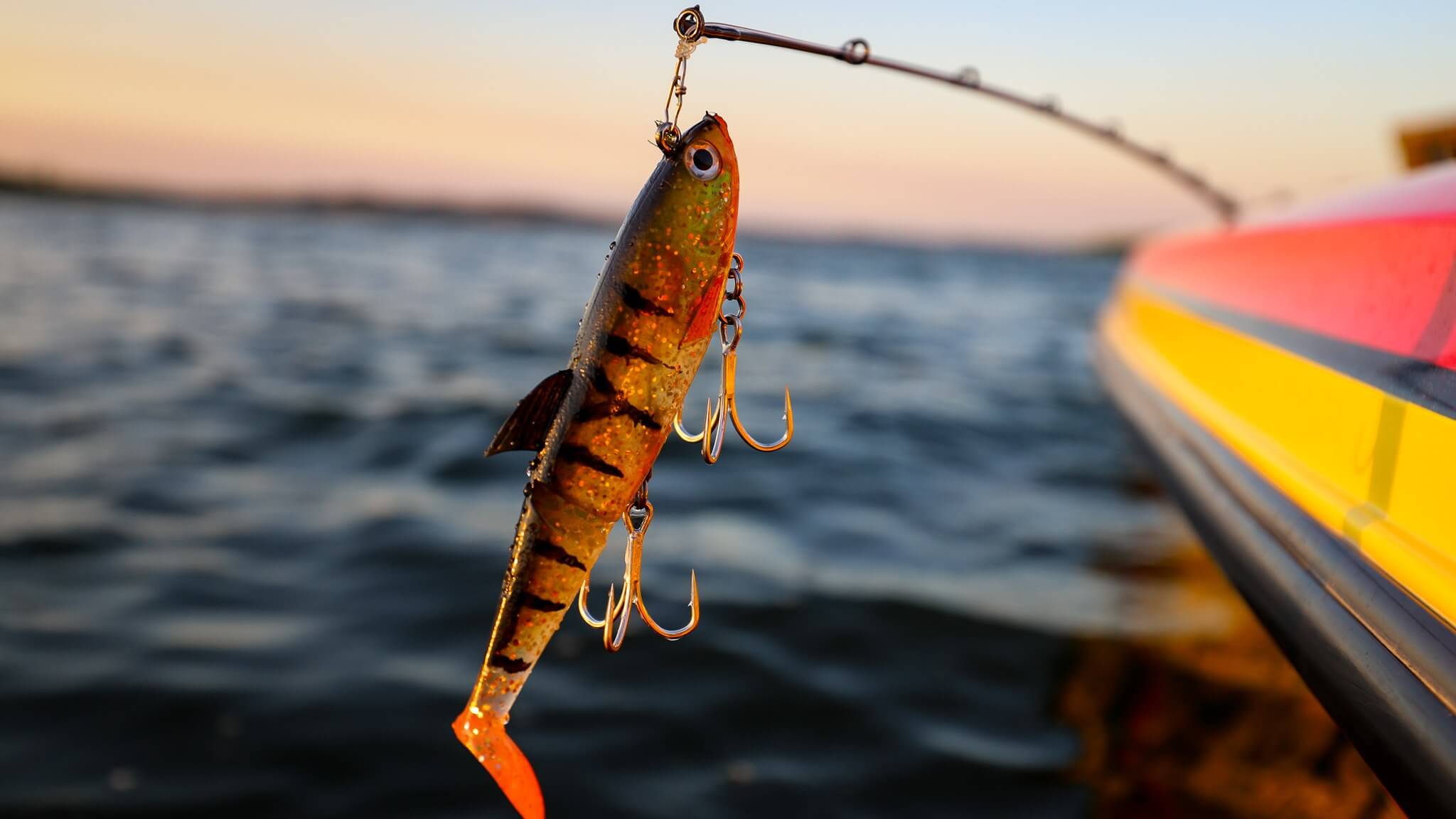
Credit: www.oceanbluefishing.com
Common Mistakes To Avoid
Tying a lure on a fishing pole may seem easy, but small errors cause big problems.
Knowing what to avoid helps keep your knot strong and your fishing line safe.
Loose Knots
A knot that is not tight can slip or come undone while fishing. Make sure to pull the knot firmly to secure it.
Incorrect Wraps
Wrapping the line the wrong way can weaken the knot. The wraps should be neat and follow the correct pattern.
- Wrap the line evenly around the hook eye
- Count the number of wraps needed for your knot type
- Ensure each wrap lies flat without crossing over
Overlapping Line
Overlapping line can create weak spots that break easily. Keep each wrap side by side and avoid overlaps.
| Problem | Effect |
|---|---|
| Overlapping wraps | Weak knot strength |
| Uneven tension | Line slips under pressure |
| Twisted line | Snags and breaks |
Skipping Moistening
Failing to moisten the line before tightening causes friction. This can cut the line or weaken the knot.
Testing Knot Strength
Tying a lure securely is key for a successful fishing trip. Testing knot strength helps avoid losing fish or gear.
Use simple tests to check if your knot can hold under pressure before casting your line.
Pull Test Techniques
The pull test shows if your knot will hold tight. You pull the line hard to check its strength.
- Hold the lure and pull the line with steady force.
- Check if the knot slips or tightens further.
- Repeat the pull test several times to be sure.
- A strong knot will not move or weaken.
Signs Of Weakness
Look closely for signs your knot may fail during fishing.
- The knot loosens or shifts under tension.
- Line fibers near the knot fray or break.
- The knot feels uneven or bulky.
- Water or dirt gets trapped inside the knot.
When To Retie
| Condition | Action Needed |
|---|---|
| Knot slips during pull test | Retie before fishing |
| Frayed or damaged line near knot | Cut and retie |
| Knot looks bulky or uneven | Retie for smoothness |
| After catching a large fish | Retie to ensure strength |
| After long storage or exposure | Retie to confirm reliability |
Tips For Maintaining Your Knots
Keeping your fishing knots strong is important. Good knots hold your lure and help catch fish.
This guide shows how to keep knots reliable by checking, replacing, and storing them well.
Regular Inspection
Look at your knots before every fishing trip. Check for any signs of wear or damage.
- Look for frayed or thin spots in the line near the knot.
- Make sure the knot is tight and not slipping.
- Test the knot by pulling gently to see if it holds firm.
- Inspect the lure and swivel connections too.
Replacing Old Knots
Old knots weaken over time and can break easily. Replace knots that seem worn out.
Cut the old knot and retie a new one using a strong knot like the improved clinch or Palomar knot.
| Knot Type | Strength | Ease to Tie |
|---|---|---|
| Improved Clinch | High | Easy |
| Palomar | Very High | Medium |
| Loop Knot | Medium | Medium |
Storage And Handling
Keep your fishing pole and line in good shape when not in use. This helps knots last longer.
- Store poles in a dry place away from direct sunlight.
- Loosen the line tension to avoid stress on knots.
- Use a rod holder or rack to prevent bends or damage.
- Keep lures and lines separate to avoid tangling.

Credit: www.youtube.com
Frequently Asked Questions
How Do You Tie A Lure On A Fishing Pole?
To tie a lure, use a strong knot like the improved clinch knot. Thread the line through the lure’s eye. Twist the line around itself five times, then pass it back through the loop near the eye. Tighten the knot by pulling both ends.
Trim any excess line for a clean finish.
What Is The Best Knot For Fishing Lures?
The improved clinch knot is often recommended for fishing lures. It’s reliable and easy to tie. This knot is strong and prevents your lure from slipping off. Many anglers use it for its simplicity and effectiveness. Practice will make it quicker and easier to tie.
Why Does My Lure Keep Slipping Off?
Your lure might slip off due to an improperly tied knot. Ensure your knot is tight and secure. Use a reliable knot like the improved clinch knot. Double-check your knots before casting. Regularly inspect your knots and retie them if necessary to prevent losing your lure.
Can I Use Any Line For Tying Lures?
Different lines work better for different situations. Monofilament, fluorocarbon, and braided lines are common choices. Monofilament is versatile, while fluorocarbon is nearly invisible underwater. Braided line offers strength but may require a leader. Choose the line type based on water conditions and target species.
Conclusion
Tying a lure on a fishing pole is simple with practice. Choose a strong knot and tighten it well. Check the knot before casting your line. A secure lure improves your chances of catching fish. Keep practicing to tie knots faster and better.
Enjoy your time fishing with confidence and skill. Each try makes you a better angler. Now, grab your fishing pole and start fishing!