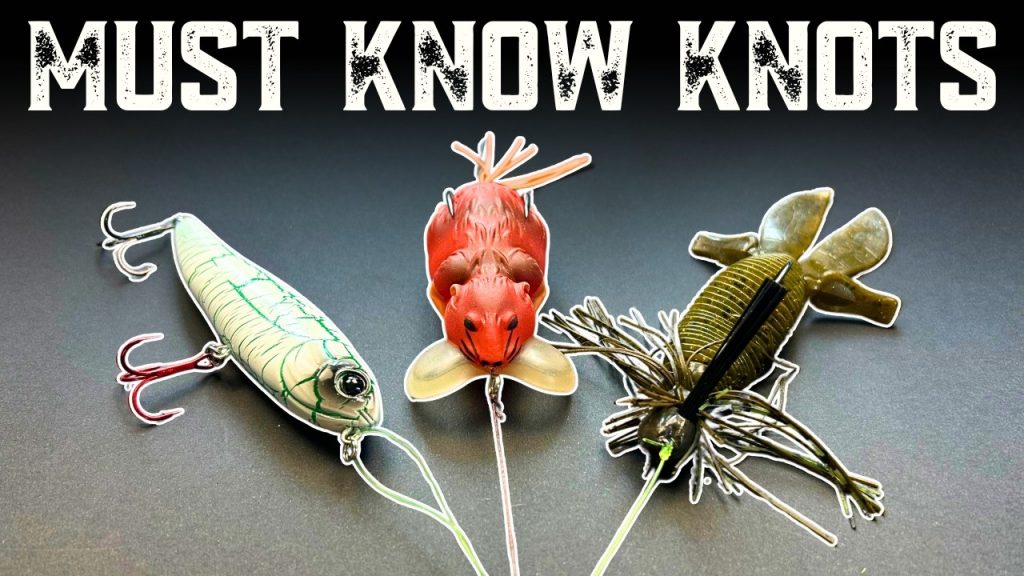
If you love fishing, knowing how to tie a lure on your fishing pole is a skill you can’t afford to miss. A strong, secure knot can make the difference between landing a big catch or losing it at the last second.
But if you’ve ever struggled with tangled lines or weak knots, you’re not alone. This guide will show you simple, step-by-step methods to tie your lure quickly and confidently. By the end, you’ll feel ready to cast out with more control and catch more fish.
Keep reading to master this essential fishing skill.
Choosing The Right Knot
Tying a lure securely to your fishing pole is key for a good catch. The right knot keeps your lure in place and prevents line breakage.
Picking the best knot depends on the lure you use and the fishing conditions. Learn about knots that work well for different situations.
Popular Knots For Fishing
Some knots are favorites among anglers for their ease and strength. These knots work well with many types of fishing lines and lures.
- Improved Clinch Knot: Simple and strong for most lures.
- Palomar Knot: Good for braided lines and heavy lures.
- Loop Knot: Creates a small loop for natural lure movement.
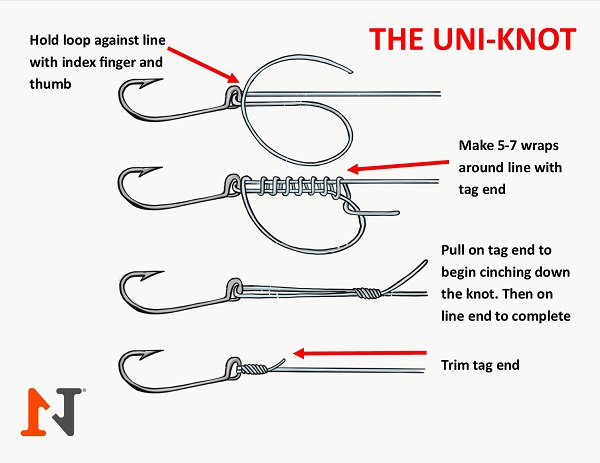
- Uni Knot: Versatile and easy to tie in tight spaces.
Knot Strength And Durability
The strength of a knot affects your catch rate. A weak knot may slip or break under pressure. Durability helps the knot last through multiple catches.
| Knot | Strength (%) | Durability |
|---|---|---|
| Improved Clinch | 85-90% | Good for light to medium lines |
| Palomar | 95-100% | Very strong, resists slipping |
| Loop Knot | 75-80% | Allows lure movement, less strong |
| Uni Knot | 90-95% | Strong and easy to retie |
Matching Knot To Lure Type
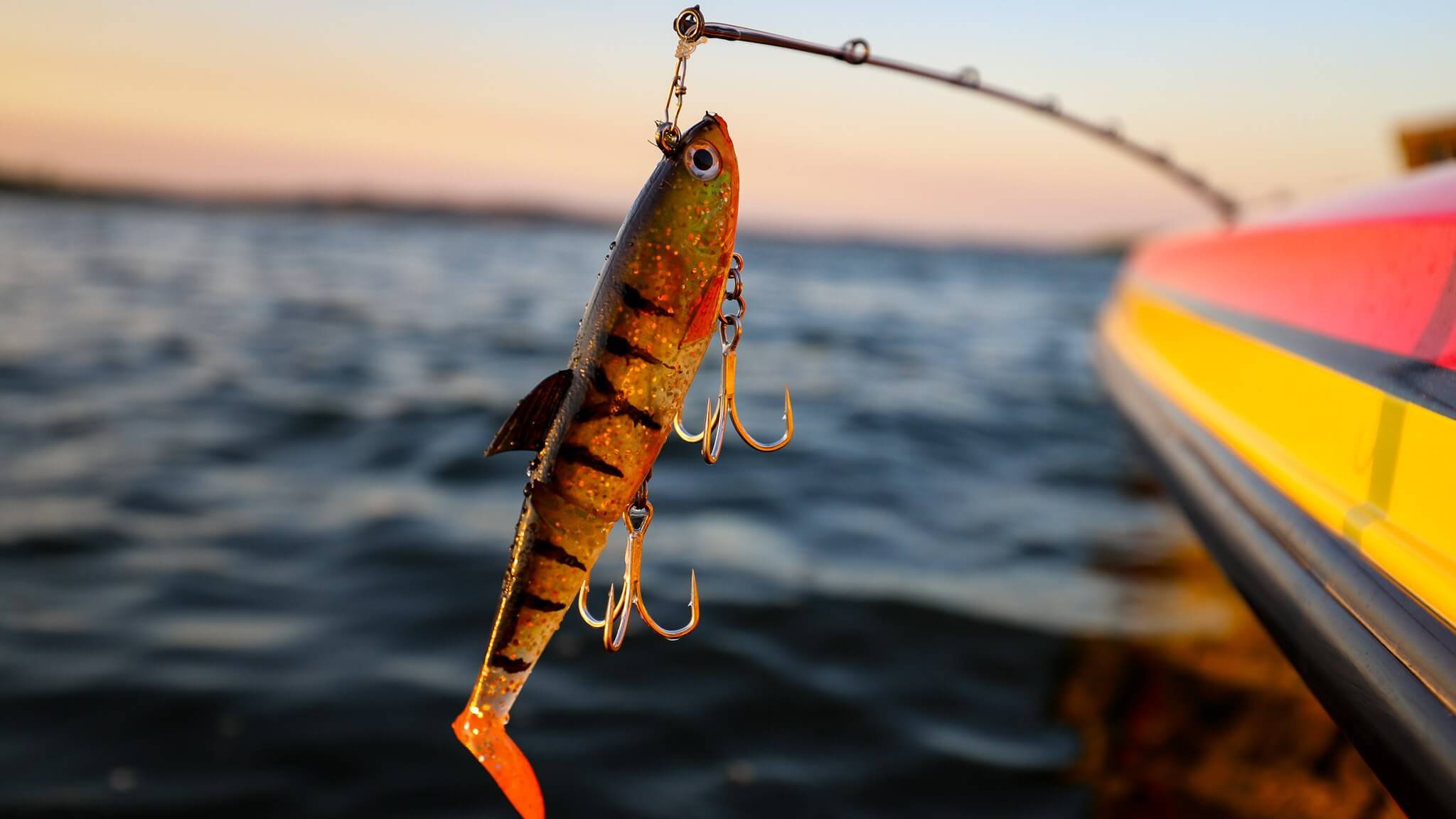
Different lures need different knots for best action. Choose knots that keep the lure moving naturally or hold tight under force.
- Spinnerbaits: Use a loop knot for free spinning.
- Jigs: Improved clinch knot works well for firm hold.
- Soft Plastics: Palomar knot keeps them secure.
- Topwater Lures: Loop knot helps natural lure motion.
Credit: www.oceanbluefishing.com
Preparing Your Fishing Line
Getting your fishing line ready is important before tying a lure. This helps your fishing gear work better and last longer.
Proper preparation prevents problems and makes your fishing experience smoother. Follow these tips to prepare your line well.
Trimming The Line
Cut the fishing line to remove old or weak ends. A clean cut makes the knot stronger and more secure.
- Use sharp scissors or a line cutter
- Trim about half an inch from the end
- Check for any frays or damage before cutting
- Make a straight cut to avoid uneven edges
Moistening The Line
Wet the line before tying the knot. This reduces friction and helps the knot tighten smoothly.
Use water or saliva to moisten the line gently. Avoid using too much liquid to keep the line manageable.
Avoiding Line Damage
Handle the fishing line carefully to avoid weakening it. Damaged lines may break when casting or catching fish.
| Cause of Damage | How to Prevent |
| Sharp edges on rod guides | Inspect and smooth edges regularly |
| Excessive pulling | Use steady tension when tying knots |
| Sunlight exposure | Store line in a shaded place |
| Knots left loose | Always tighten knots firmly |
Tying The Improved Clinch Knot
The Improved Clinch Knot is a reliable and strong knot for fishing. It is essential to learn this knot to secure your lure effectively.
This knot is favored by many anglers for its simplicity and strength. Follow these steps to tie it correctly.
Step-by-step Instructions
Use these steps to tie the Improved Clinch Knot successfully. Make sure each wrap is tight and neat.
- Thread the line through the eye of the hook.
- Wrap the line around itself five to seven times.
- Pass the end of the line through the first loop.
- Bring the end back through the large loop.
- Moisten the knot and pull it tight.
Common Mistakes To Avoid
Be aware of these common mistakes to ensure your knot holds strong. A poorly tied knot can lead to lost lures.
- Not wetting the line before tightening can cause friction.
- Using fewer wraps weakens the knot.
- Failing to pull the knot snugly may result in slipping.

Credit: www.youtube.com
Tying The Palomar Knot
Tying a lure on your fishing pole is important for a strong catch. The Palomar knot is easy and very strong.
This knot works well with braided and monofilament lines. It keeps the lure secure during fishing.
Step-by-step Instructions
First, double about six inches of line and pass it through the lure eye.
Next, tie a simple overhand knot with the doubled line, but do not tighten it yet.
Then, pass the loop over the lure or hook completely.
Pull both the standing line and tag end slowly to tighten the knot.
Finally, trim the tag end close to the knot to finish.
- Double the line through the lure eye
- Make an overhand knot with the doubled line
- Pass the loop over the lure
- Tighten the knot by pulling both ends
- Trim the excess line
Benefits Of The Palomar Knot
The Palomar knot is known for its strength. It keeps your lure secure even with big fish.
This knot is also easy to tie quickly, saving time on the water.
- Strong and reliable for all fishing lines
- Simple to tie with few steps
- Works well with braided and monofilament lines
- Retains most of the line’s original strength
- Less likely to slip or break under pressure
Securing The Knot
Securing your fishing lure properly is key to a good catch. A strong knot keeps the lure attached and prevents it from slipping off.
After tying the knot, take time to check its strength and trim any extra line. These steps help keep your setup neat and reliable.
Checking Knot Tightness
Make sure the knot is tight by pulling on the lure and line firmly. A loose knot can come undone during fishing.
- Hold the lure in one hand.
- Pull the line away from the lure with your other hand.
- Feel for any slipping or movement in the knot.
- If it slips, retie the knot more tightly.
Trimming Excess Line
Cutting the extra line after the knot keeps your fishing line clean and avoids tangles.
| Tool | Purpose |
|---|---|
| Scissors | Clean, sharp cut for thin lines |
| Line Clippers | Designed for fishing lines, easy to use |
| Knife | Useful if no other tools are available |
Testing Your Knot
After tying a lure on your fishing pole, it is important to test the knot. Testing ensures the knot is strong and will not break easily.
Checking your knot helps avoid losing fish and gear while fishing. A good test can save you time and frustration.
Pull Test Techniques
One way to test your knot is by pulling on the lure and the line firmly. Use steady force to check if the knot holds tight.
You can also wet the knot with water or saliva before pulling. This reduces friction and gives a more accurate test of the knot’s strength.
- Hold the lure in one hand and the rod in the other
- Pull the line slowly and firmly
- Feel for any slipping or loosening
- Repeat the test a few times to be sure
Signs Of A Weak Knot
A weak knot will show certain signs during testing. Watch for any movement or damage at the knot area.
If the knot slips, loosens, or frays the line, it is weak. Replace or retie the knot before fishing.
- Line slips through the knot when pulled
- Knot looks uneven or twisted
- Line frays or gets damaged near the knot
- Knot loosens after several pulls
Tips For Knot Maintenance
Keeping your fishing knots in good shape is key for a strong hold. Proper knot care helps you avoid losing fish or gear.
Regular checks and simple line care extend the life of your fishing setup. Follow these easy tips for better knot maintenance.
Retying Knots Regularly
Knots can weaken after use or exposure to water and dirt. It is best to retie your knots often to keep them strong.
- Inspect the knot before every fishing trip.
- Look for any frayed or worn spots.
- Cut off the old knot and retie a new one if needed.
- Use the recommended knot type for your line and lure.
- Practice tying knots to get them tight and neat.
Line Care For Longevity
Good line care protects your knots and helps your fishing line last longer. Clean and store your line properly.
| Tip | Why It Helps |
| Rinse line with fresh water | Removes salt and dirt that weaken knots |
| Dry line before storage | Prevents mold and line damage |
| Store line away from sunlight | UV rays can break down line fibers |
| Avoid sharp bends or twists | Keeps line from kinking and knot failure |
Credit: n1outdoors.com
Frequently Asked Questions
How Do You Tie A Lure To A Fishing Pole?
To tie a lure, thread the line through the lure’s eye. Use a strong knot like the improved clinch knot. Tighten and trim the excess line for a secure hold.
What Is The Best Knot For Tying A Fishing Lure?
The improved clinch knot is ideal. It’s easy to tie, strong, and reliable. It prevents slippage and holds well under tension.
Can I Use Any Fishing Line To Tie A Lure?
Most lines work, but monofilament and fluorocarbon are preferred. These lines knot well and offer good abrasion resistance, enhancing lure performance.
How Tight Should The Knot Be When Tying A Lure?
The knot should be snug but not overly tight. Tighten gradually to avoid weakening the line or causing breakage during casting.
Conclusion
Tying a lure on a fishing pole is simple with practice. Use the right knot for a strong hold. Make sure the knot is tight and neat. Check your work before casting to avoid losing fish. Keep trying until you feel confident.
Fishing becomes more fun with a well-tied lure. Now, you are ready to enjoy your next fishing trip. Just remember, patience and practice bring success.