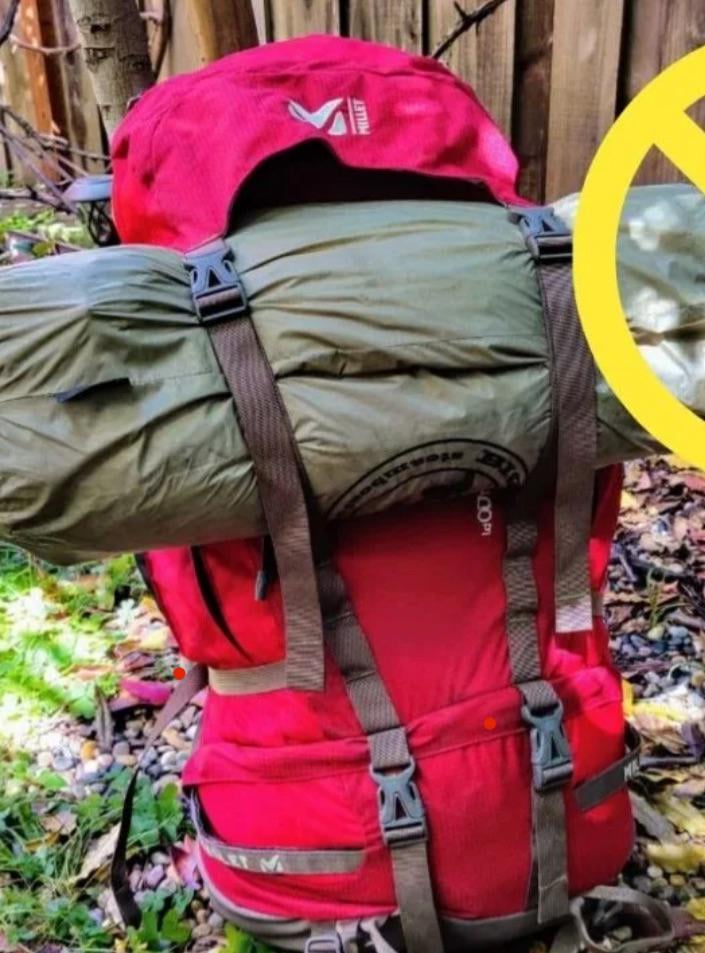
Packing your sleeping bag can make or break your hiking experience. If you don’t secure it properly to your backpack, it might slip, get wet, or take up too much space.
But don’t worry—tying your sleeping bag the right way is easier than you think. In this guide, you’ll learn simple, effective steps to attach your sleeping bag so it stays safe and comfortable throughout your trip. Keep reading to make your next adventure smoother and more enjoyable.

Credit: www.reddit.com
Choosing The Right Sleeping Bag
Picking the right sleeping bag is key for a comfortable outdoor trip. It affects your rest and how you carry it.
Think about the size, weight, and weather before buying your sleeping bag. These factors help you choose well.
Selecting Size And Weight
The sleeping bag should fit your body size. Too big means extra weight and space. Too small may feel tight.
Lightweight bags are easier to carry on your backpack. Heavy bags add extra load and tire you faster.
- Choose a bag that fits your height and width
- Pick lightweight bags for long hikes
- Check packed size to save backpack space
Considering Weather Conditions
Look at the weather where you will camp. Cold places need bags with good insulation. Warm areas need lighter bags.
Sleeping bags have temperature ratings. Match the rating to the lowest temperature you expect to face.
- Use winter bags for cold weather trips
- Choose summer bags for warm weather
- Three-season bags work in mild climates

Credit: www.reddit.com
Preparing Your Backpack
Tying your sleeping bag to your backpack needs some preparation. Get your backpack ready before attaching the sleeping bag.
Preparing the backpack well helps keep the load balanced and secure. It also makes carrying easier and safer.
Clearing Packing Space
First, clear space on your backpack where you want to attach the sleeping bag. Remove any items that may get in the way.
Make sure the area is flat and free from loose straps or gear. This helps the sleeping bag fit tightly and avoids shifting.
- Empty side pockets and loops if needed
- Remove any bulky items from the bottom
- Flatten straps to avoid bumps
- Check for dirt or mud to keep it clean
Checking Attachment Points
Next, find the right points on your backpack to tie the sleeping bag. Look for strong loops or straps made for gear attachment.
Test the straps and loops to make sure they are secure and not damaged. Weak points may cause your sleeping bag to fall off.
- Check gear loops on the bottom or sides
- Inspect compression straps for strength
- Avoid using worn or torn straps
- Use straps designed for external attachments
Packing The Sleeping Bag
Packing a sleeping bag properly saves space and keeps it dry. It also makes carrying easier on your backpack.
You can pack your sleeping bag by rolling or stuffing it. Using compression sacks helps reduce its size.
Rolling Vs Stuffing
Rolling a sleeping bag makes it neat and tight. It keeps the bag compact and easy to strap on.
Stuffing puts the bag in loosely. This keeps the insulation fluffy and warm for your next use.
- Rolling is quicker and looks tidy
- Stuffing protects the bag’s loft better
- Stuffed bags take more space but stay warmer
- Rolling can compress insulation and reduce warmth
Using Compression Sacks
Compression sacks reduce the size of your sleeping bag. They use straps to squeeze out air and save space.
Always stuff the sleeping bag into the sack. Rolling before compression can damage the insulation.
- Choose the right size compression sack
- Stuff the sleeping bag evenly inside
- Tighten the straps slowly and evenly
- Check the bag stays dry inside the sack

Credit: www.reddit.com
Attaching The Sleeping Bag Outside
Carrying a sleeping bag outside your backpack saves space inside. It also keeps your bag dry and easy to access.
This guide shows two common ways to attach a sleeping bag outside your backpack. You can use straps and buckles or secure it with carabiners.
Using Straps And Buckles
Many backpacks come with straps and buckles designed to hold extra gear. These work well for attaching a sleeping bag outside.
- Place the sleeping bag at the bottom or side of your backpack.
- Loop the straps around the sleeping bag tightly.
- Fasten the buckles to secure the bag in place.
- Adjust the straps to remove slack and prevent movement.
- Check the straps during your hike to keep the bag stable.
Securing With Carabiners
Carabiners offer a quick and flexible way to attach a sleeping bag. They work best if your bag has loops or straps.
| Step | Action |
|---|---|
| 1 | Find loops on your sleeping bag or its stuff sack. |
| 2 | Clip carabiners through these loops. |
| 3 | Attach carabiners to your backpack’s external straps or loops. |
| 4 | Make sure the carabiners are locked and secure. |
| 5 | Test by gently pulling the bag to confirm it is stable. |
Attaching The Sleeping Bag Inside
Carrying your sleeping bag inside your backpack keeps it safe from rain. It also helps keep the bag clean and dry. Properly attaching it inside saves space and adds comfort.
Knowing how to place the sleeping bag inside will make your trip easier. It can balance weight and keep your backpack organized.
Maximizing Internal Space
Put your sleeping bag at the bottom of the backpack. This spot uses space well and keeps heavier items on top. Roll the bag tight to save room.
Use compression sacks to reduce the sleeping bag size. This creates more space for other gear. Make sure the bag is dry before packing to avoid extra bulk.
- Place sleeping bag flat at the bottom
- Roll or stuff it tightly
- Use a compression sack to shrink size
- Keep sleeping bag dry before packing
Balancing Weight
Keep your sleeping bag centered to avoid leaning. Place heavy items near your back for better balance. The sleeping bag should not make your pack uneven.
Check the weight after packing to adjust if needed. A balanced backpack reduces strain and makes walking easier.
- Center sleeping bag inside the pack
- Place heavy gear close to your back
- Avoid uneven weight distribution
- Test and adjust weight before hiking
Tips For Secure Packing
Tying your sleeping bag to your backpack needs care. Proper packing keeps your gear safe and easy to carry.
Use simple methods to avoid movement and protect your sleeping bag from weather. This guide helps you pack securely.
Avoiding Movement And Noise
Keep the sleeping bag tight to reduce shifting while walking. Loose bags can swing and make noise. Use straps or cords to hold it firmly.
- Place the sleeping bag at the bottom or outside front of the backpack.
- Use compression straps to squeeze the bag tightly.
- Wrap the bag in a small stuff sack before tying it down.
- Secure straps with knots or buckles to stop slipping.
- Check the bag’s position before each hike to adjust tightness.
Protecting From Moisture
Keep your sleeping bag dry to avoid damage and discomfort. Moisture can come from rain or sweat, so cover and seal it well.
| Method | Details |
| Waterproof Bag | Use a dry sack or waterproof cover made for sleeping bags. |
| Plastic Liner | Place a plastic bag inside your pack to keep moisture out. |
| High Position | Attach the bag on top or outside where it dries faster. |
| Quick Access | Keep the bag where you can remove it quickly in rain. |
Common Mistakes To Avoid
Tying your sleeping bag to your backpack can save space. But some mistakes can cause problems on the trail.
Knowing what to avoid helps you carry your gear safely and comfortably.
Overloading The Backpack
Putting too much weight on your backpack makes it hard to carry. It can cause pain and tire you quickly.
A heavy sleeping bag tied outside adds extra weight. It can shift and unbalance your pack.
- Check the total weight before you start hiking
- Keep heavy items close to your back inside the pack
- Use a lightweight sleeping bag to reduce weight
- Secure the sleeping bag tightly to avoid swinging
Ignoring Proper Strapping
Not using the right straps can cause your sleeping bag to fall off. Loose straps also make your backpack unstable.
Use the backpack’s compression straps or extra straps made for gear. Tighten them well to keep the sleeping bag in place.
- Choose straps that fit your backpack and sleeping bag size
- Tighten all straps firmly but do not damage the bag
- Check straps regularly during your hike
- Arrange the bag so it does not block your movement
Frequently Asked Questions
How Do I Securely Tie A Sleeping Bag To My Backpack?
Use compression straps or rope to tightly fasten the sleeping bag. Attach it to the bottom or side loops of your backpack for balance. Ensure it’s snug to prevent shifting while hiking.
What Is The Best Position For A Sleeping Bag On A Backpack?
The best position is usually at the bottom or side of the backpack. This placement keeps the center of gravity low and maintains balance. It also prevents the bag from interfering with your arm movement.
Can I Tie A Sleeping Bag Without Extra Straps Or Gear?
Yes, you can use the backpack’s existing loops or daisy chains. Use a durable rope or cord to tie the sleeping bag securely. Make sure the knots are tight to avoid loosening during travel.
Why Should I Avoid Tying My Sleeping Bag On Top Of The Backpack?
Tying on top can affect your balance and increase wind resistance. It may also cause the bag to fall off easily. Placing it on the bottom or sides is safer and more stable.
Conclusion
Tying a sleeping bag to your backpack is easy and essential. It helps save space and keeps your gear secure. Practice makes perfect, so try different methods. Choose one that suits your backpack and sleeping bag. Remember to balance the weight for comfort.
A well-packed backpack makes hiking more enjoyable. Always double-check knots for safety. With these tips, you’re ready for your next adventure. Stay organized and enjoy the journey. Happy hiking!