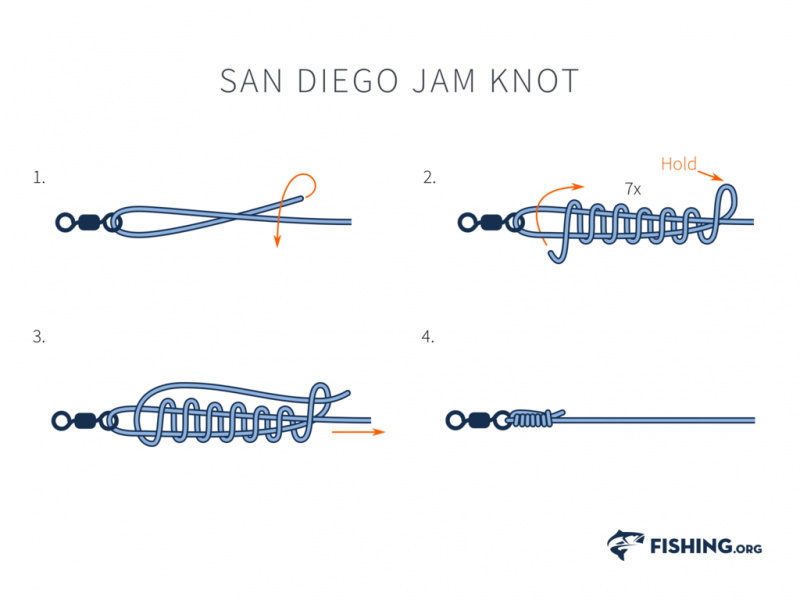
Are you tired of losing fish because your leader knot slips or breaks? Learning how to tie a swivel leader to your fishing line can change your fishing game completely.
It’s a simple skill that makes your setup stronger and more reliable. In this guide, you’ll discover easy, step-by-step instructions that anyone can follow—no confusion, no frustration. By the end, you’ll have the confidence to tie the perfect swivel leader every time, helping you catch more fish and enjoy your time on the water even more.
Keep reading, and let’s get your fishing line ready for success!
Choosing The Right Swivel Leader
Choosing the right swivel leader is important for successful fishing. It helps prevent line twists and improves your catch.
Use a swivel leader that matches your fishing style and the type of fish you want to catch.
Types Of Swivel Leaders
Swivel leaders come in many types. Each type fits different fishing needs and water conditions.
- Barrel Swivels: Simple and strong, good for general fishing.
- Ball Bearing Swivels: Smooth rotation, best for heavy line and big fish.
- Interlock Swivels: Easy to change leaders, useful for quick setups.
- Crane Swivels: Durable and strong, used for saltwater fishing.
Matching Leader Strength To Fish Species
Pick a leader strength that matches the fish you want to catch. Stronger fish need stronger leaders.
Using the right strength helps avoid breaking the line and losing your catch.
| Fish Species | Leader Strength (pounds) |
| Trout | 4-8 lbs |
| Bass | 8-15 lbs |
| Walleye | 8-12 lbs |
| Salmon | 12-20 lbs |
| Striped Bass | 20-30 lbs |
| Saltwater Species | 30+ lbs |

Credit: www.youtube.com
Preparing Your Fishing Line
Preparing your fishing line is an important step before tying a swivel leader. Good preparation helps ensure a strong connection and better fishing results.
Start by checking your line for any damage and choose the right knot that fits your line type. This helps prevent breakage and slipping.
Trimming And Inspecting The Line
Trim the end of your fishing line to remove any frays or weak spots. Use sharp scissors or line clippers for a clean cut.
Inspect the trimmed section carefully for cracks, nicks, or discoloration. These signs show that the line might break easily.
- Cut off at least 2 inches from the line end
- Look closely for any damage or weak spots
- Replace the line if it shows signs of wear
- Always keep the line dry and clean before use
Selecting The Best Knot For Your Line Type
Different fishing lines work best with certain knots. Choose the knot that fits your line’s material and thickness.
| Line Type | Recommended Knot |
| Monofilament | Improved Clinch Knot |
| Fluorocarbon | Palomar Knot |
| Braid | Uni Knot |
Practice tying these knots to ensure they hold tight and do not slip during fishing.
Step-by-step Knot Tying
Tying a swivel leader to a fishing line is important for a successful fishing trip. The right knot ensures your line is strong and reliable.
Follow these simple steps to learn how to tie a swivel leader to your fishing line.
Attaching The Leader To The Main Line
First, hold the leader and the main line together. Make sure they are aligned properly.
- Take the end of the leader and form a loop.
- Pass the main line through the loop twice.
- Pull both ends to tighten the knot.
Securing The Swivel Properly
Securing the swivel is crucial for your tackle’s performance. A loose swivel can cause problems.
- Thread the line through the swivel eye.
- Wrap the line around itself four times.
- Pass the end back through the loop near the swivel.
- Moisten the knot and pull tight.
Testing The Knot Strength
Testing your knot is the final step. This ensures it will hold under pressure.
Gently pull the line and leader in opposite directions. Watch for any slipping.

Credit: www.youtube.com
Common Mistakes To Avoid
Tying a swivel leader to your fishing line is important for a strong connection. Mistakes can cause line breaks or lost fish. Avoid these common errors to improve your fishing experience.
Paying attention to small details helps keep your line secure. Read on to learn what to watch out for when tying your swivel leader.
Overtightening The Knot
Pulling the knot too tight can weaken the fishing line. It may cause the line to stretch or break under pressure. Tighten the knot firmly but gently.
Use your fingers to control the tension. Avoid using pliers or tools that apply too much force.
Using The Wrong Knot
Not all knots work well with swivel leaders. Some knots slip or are hard to tie correctly. Choose knots designed for fishing line and swivels.
Common knots for swivel leaders include the improved clinch knot and the Palomar knot. Practice these knots to ensure a strong hold.
- Improved Clinch Knot: easy and secure
- Palomar Knot: strong and simple
- Uni Knot: versatile and reliable
Ignoring Line Condition
Old or damaged fishing line weakens your knot and connection. Check the line before tying your swivel leader. Replace it if you see cracks or frays.
Wet or dirty line also affects knot strength. Clean and dry your line for the best results. Keeping your line in good shape helps catch more fish.
Tips For Maintaining Your Swivel Leader
Keeping your swivel leader in good shape helps you catch more fish. Proper care prevents line damage and keeps your gear strong.
This guide gives simple tips to check and replace your swivel leader for better fishing results.
Regular Line Inspection
Check your swivel leader often to find any damage early. Look for frayed lines, cracks, or stiffness in the leader.
Inspect both the swivel and the knots. Make sure the swivel moves freely and the knots stay tight.
- Run your fingers along the line to feel for weak spots
- Look for any signs of wear or damage near the knots
- Test the swivel by rotating it to ensure smooth movement
- Check the connection points for any corrosion or rust
Replacing Worn Leaders
Replace your swivel leader if you find damage or weak points. Using a worn leader risks losing fish and gear.
Keep spare leaders handy so you can change them quickly when needed. Always tie new leaders securely to your fishing line.
- Cut off damaged leaders carefully
- Tie a new swivel leader using strong knots like the improved clinch knot
- Test the new leader by pulling gently to check the knot’s strength
- Store spare leaders in a dry place to avoid damage
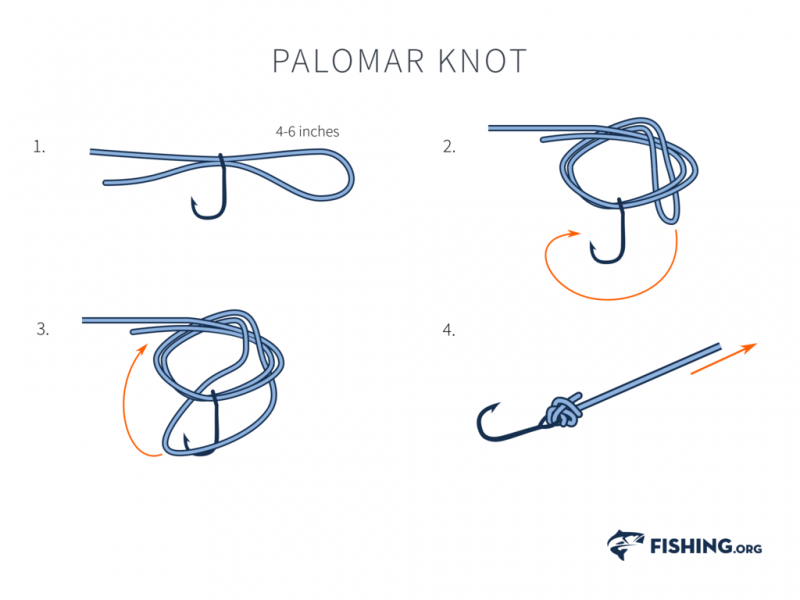
Credit: medium.com
Frequently Asked Questions
How Do I Attach A Swivel Leader To Fishing Line?
To attach a swivel leader, thread the fishing line through the swivel eye. Tie a strong knot like the improved clinch knot. Pull tight and trim excess line. This ensures a secure and reliable connection for effective fishing.
What Knot Is Best For Tying A Swivel Leader?
The improved clinch knot is ideal for tying a swivel leader. It is strong, easy to tie, and reliable. This knot prevents slippage and keeps your leader securely attached to the fishing line.
Why Use A Swivel Leader In Fishing?
A swivel leader prevents line twist and tangling. It connects your main line to the leader smoothly. This improves bait presentation and reduces line damage during fishing.
How Long Should A Swivel Leader Be?
Swivel leaders typically range from 12 to 36 inches. The length depends on fishing conditions and target species. Choose a length that minimizes line visibility and maximizes bait action.
Conclusion
Tying a swivel leader to your fishing line is easy and useful. A strong knot keeps your gear connected and ready. Take your time and practice the steps often. This skill helps prevent line twists and improves your catch. Keep your knots tight and trim any extra line.
Soon, tying a swivel leader will feel natural. Enjoy fishing with confidence and better results each time.